When can babies eat white beans?
Most babies are ready for solids, including soft-cooked white beans, at around 6 months. Look for the usual readiness signs: your baby can sit up with little or no support, holds their head steady, shows interest in food, and can move food to the back of the mouth to swallow rather than pushing most of it back out. White beans are a great early protein and iron source to offer once those signs are in place.
White beans are not among the common food allergens, so there is no need to delay them. Keep in mind that you should still introduce the common allergens, such as eggs, peanut, dairy, wheat, soy, sesame, tree nuts, fish, and shellfish, early and one at a time rather than holding them back. White beans pair well with these foods, so a bean mash is a handy base for stirring in a little smooth peanut butter or a dab of plain yogurt to get allergen exposure going.
How to serve white beans safely
From 6 to 9 months, serve white beans very soft and smashed. Cook them until they are tender enough to flatten easily between your finger and thumb, then mash with a fork or blend into a smooth puree with a little breast milk, formula, or water. Whole beans are a choking risk for young babies, so flatten or mash each one. You can also mix mashed white beans into vegetable purees or stir them into oatmeal for a fuller meal.
From around 9 to 12 months and up, as your baby develops a pincer grasp, you can offer individual soft-cooked beans that have been lightly smashed, or fold beans into soft patties, dips, and soups. Continue to flatten whole beans, keep textures soft, and always seat your baby upright and supervise closely while they eat. Avoid serving beans alongside hard or round choking hazards.
Nutritional benefits for babies
- 💚Plant-based protein to support growth and development
- 💚Iron, which is an important nutrient for babies from 6 months
- 💚Fiber that supports healthy digestion
- 💚Folate, important for cell growth
- 💚Magnesium and potassium for overall development
- 💚Naturally low in sodium when cooked from dried or rinsed well if canned
Safety considerations
- ✓White beans are not a common allergen, but if you mix them with peanut butter, tree nut butters, dairy, sesame, or wheat, introduce each of those allergens on its own first and watch for any reaction.
- ✓Always soft-cook beans until they smash easily, and mash or flatten whole beans, since firm round beans can be a choking hazard for babies and young toddlers.
- ✓When using canned beans, rinse them well to reduce sodium, and offer beans without added salt.
- ✓Seat your baby upright and supervise closely during every meal; never leave a baby alone with food.
- ✓Introduce white beans on their own first, then wait a couple of days before adding another new food so any reaction is easy to trace.
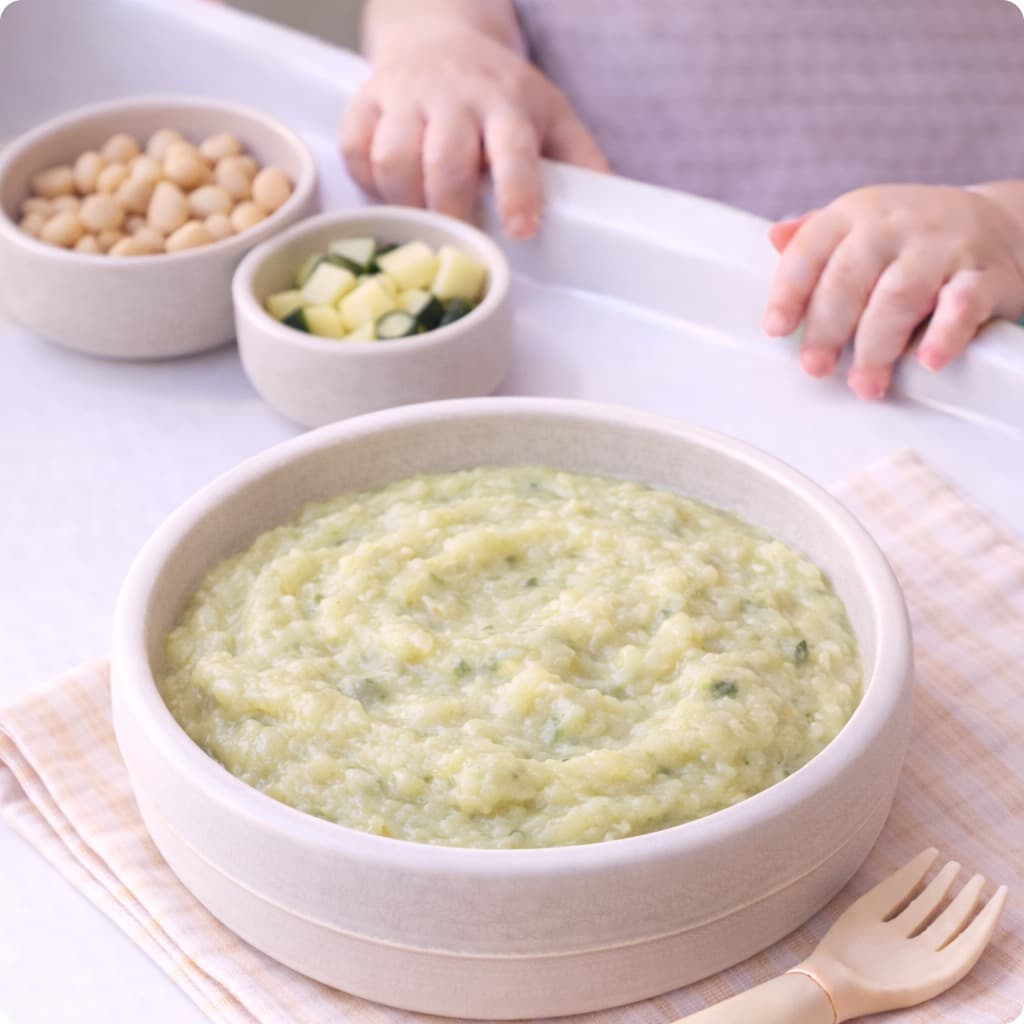
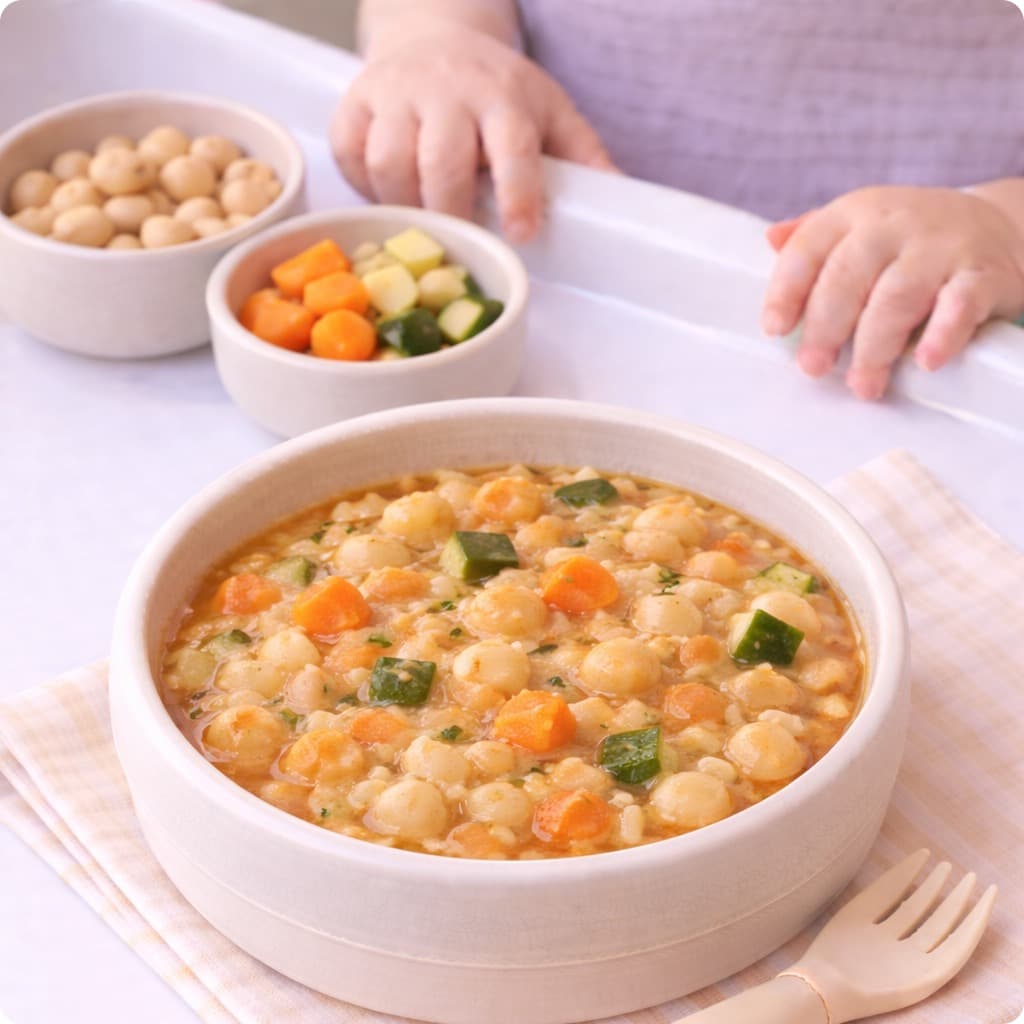
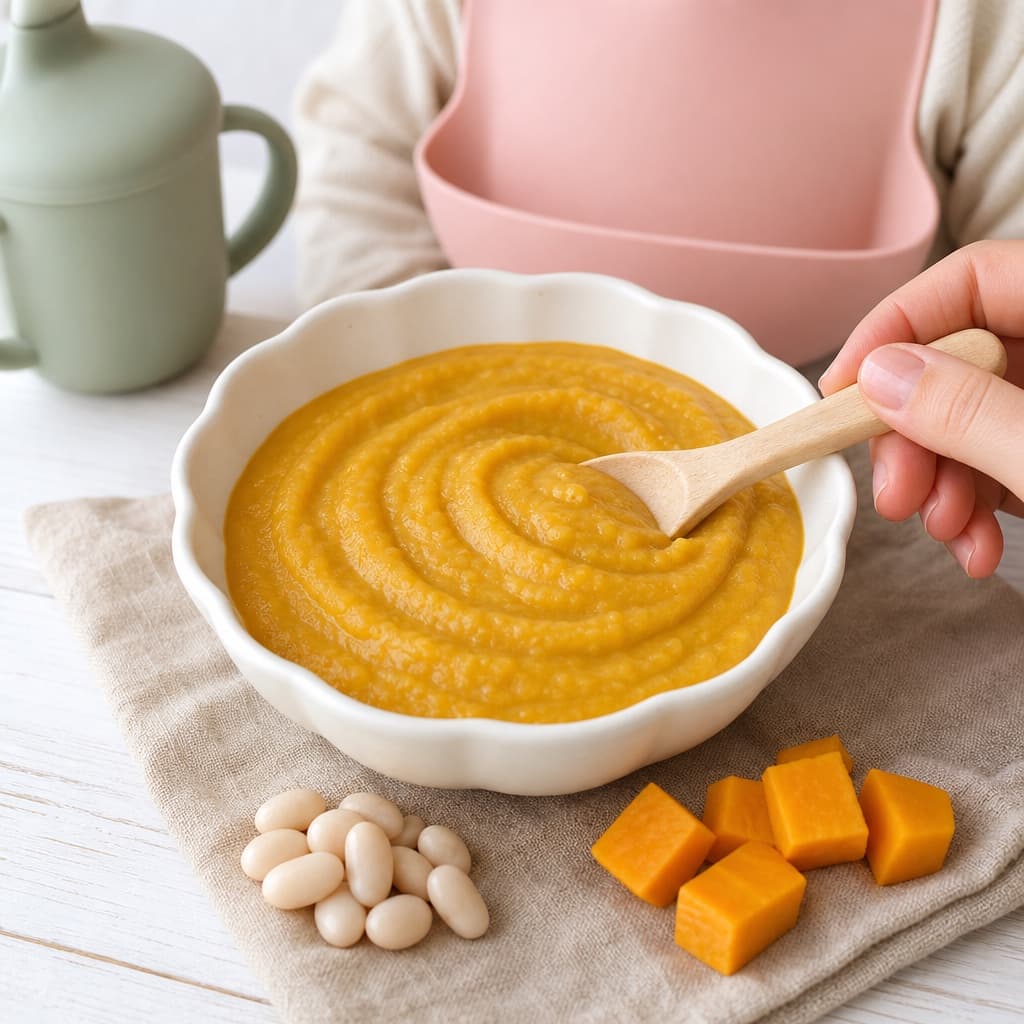
Recipes with white beans for babies
Frequently asked questions
Are white beans a choking hazard for babies?
Whole, firm beans can be a choking hazard for babies because of their small round shape. To serve them safely, cook white beans until very soft and mash them or flatten each bean between your fingers before offering. Always supervise your baby while they eat.
Can I use canned white beans for my baby?
Yes, canned white beans are fine for babies as long as you choose a no-salt-added option or rinse them well to lower the sodium. Warm and soften them further if needed, then mash before serving. Cooking from dried beans gives you the most control over salt.
Do white beans cause gas in babies?
Beans contain fiber and natural compounds that can cause gas in some babies, especially at first. Starting with small amounts and cooking the beans until very soft can help. Most babies adjust as beans become a regular part of their diet.
Are white beans a common allergen?
No, white beans are not among the common food allergens. As with any new food, introduce them on their own first and watch for any signs of a reaction. Beans are part of the legume family, so if your baby has a known legume allergy, talk with your pediatrician.
How do I prepare white beans for a 6-month-old?
Cook white beans until they are soft enough to flatten easily, then mash them thoroughly or blend them into a smooth puree with a little breast milk, formula, or water. You can also mix the mashed beans into vegetable purees. Make sure there are no whole beans left in the mash.
Can babies eat white beans every day?
White beans can be part of a varied diet, and offering them a few times a week is fine for most babies. Aim for variety across protein and iron sources rather than relying on one food daily. Watch how your baby tolerates them and adjust as needed.
What is the difference between white beans and other beans for babies?
White beans such as cannellini, navy, and great northern beans tend to be soft and creamy when cooked, which makes them easy to mash for babies. Nutritionally they are similar to other beans, offering protein, iron, and fiber. Any bean can be served once it is cooked soft and mashed or flattened.
Get recipes + a feeding plan for your baby
Save this food to your baby's list, get age-appropriate recipes and follow a personalized feeding schedule - 350+ baby-safe meals in the app.
verifiedSources & References
This guide is informed by current guidelines from leading health organizations: