How to Serve Oatmeal for Baby
Last updated October 2026
Soft oatmeal is a useful complementary food once a baby is ready for solids, generally around six months. Ordinary rolled oats and iron-fortified infant oat cereal are not interchangeable: the iron content depends on the actual package.
Cook oats completely soft, then adjust moisture and lumps for the child's present feeding skills. Porridge can thicken as it cools; dry oat chunks, dense sticky bars and whole crunchy toppings are not appropriate for early eaters.
Quick answer
From about six months, offer soft cooked oats or correctly prepared iron-fortified infant oat cereal. Read the label: regular unfortified oatmeal should not be described as having the same iron content as fortified infant cereal.
Select Baby's Age
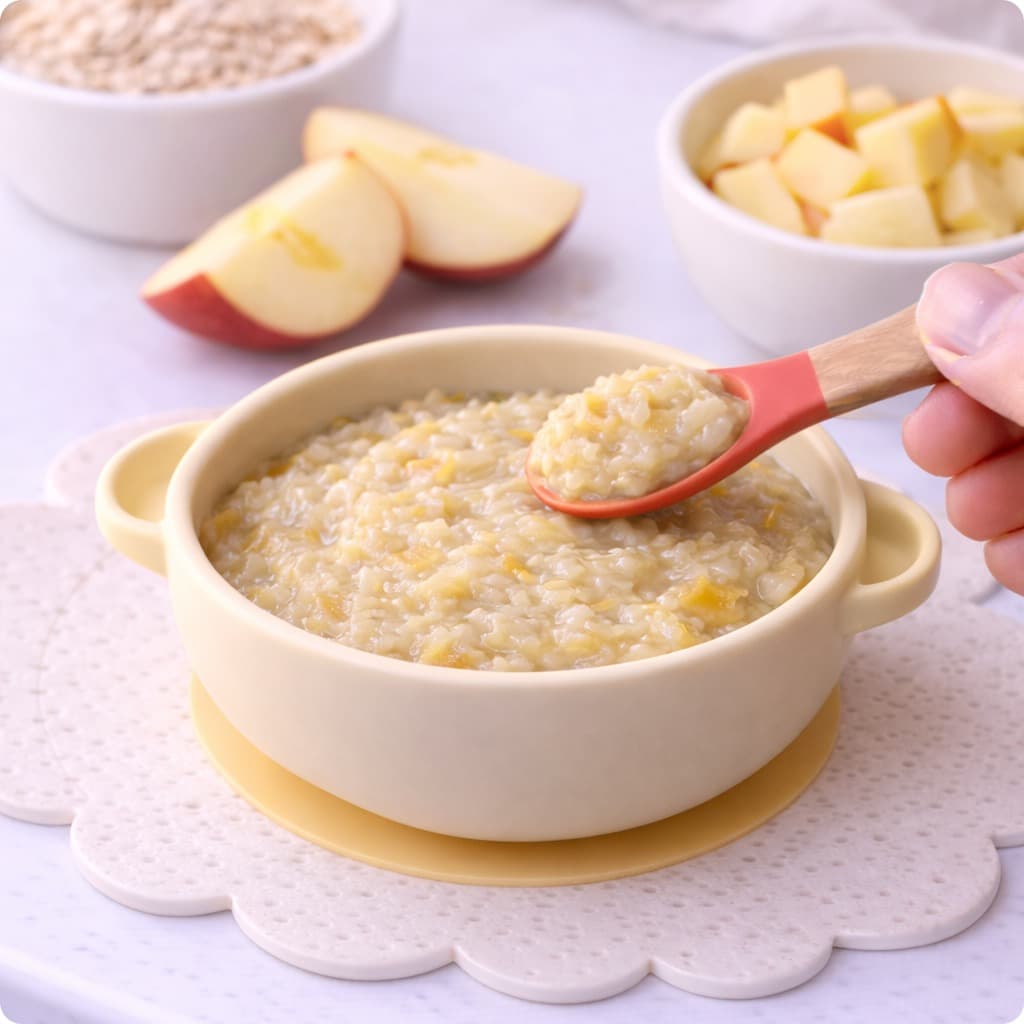
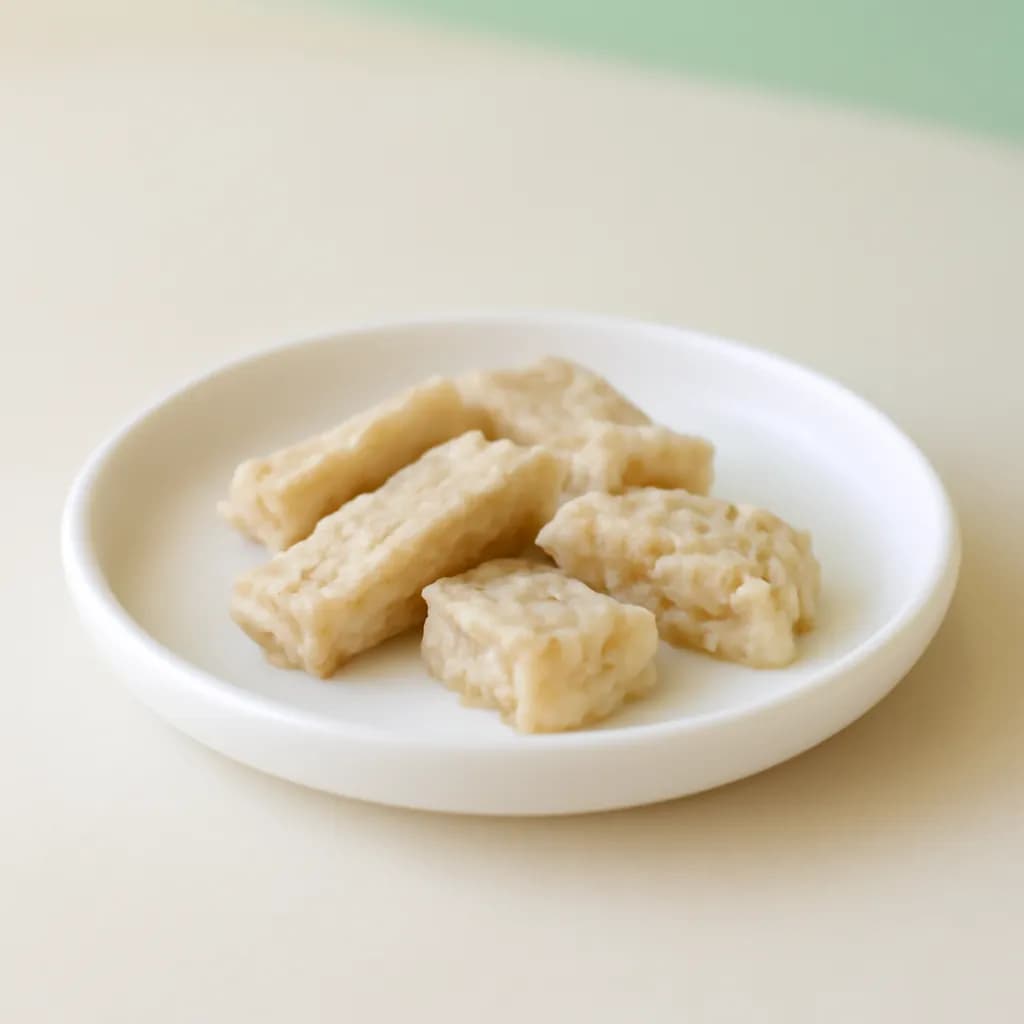
6–8 months
Beginning solids: smooth, moist spoonable porridge
Cook oats as directed until fully tender; blend or mash as needed. Add suitable liquid to make moist spoonable porridge without dry clumps. An iron-fortified infant oat cereal can also work if prepared according to its label. Stir, cool and check for hidden hot pockets before using a preloaded spoon.
6 month baby feeding schedule for more tips.
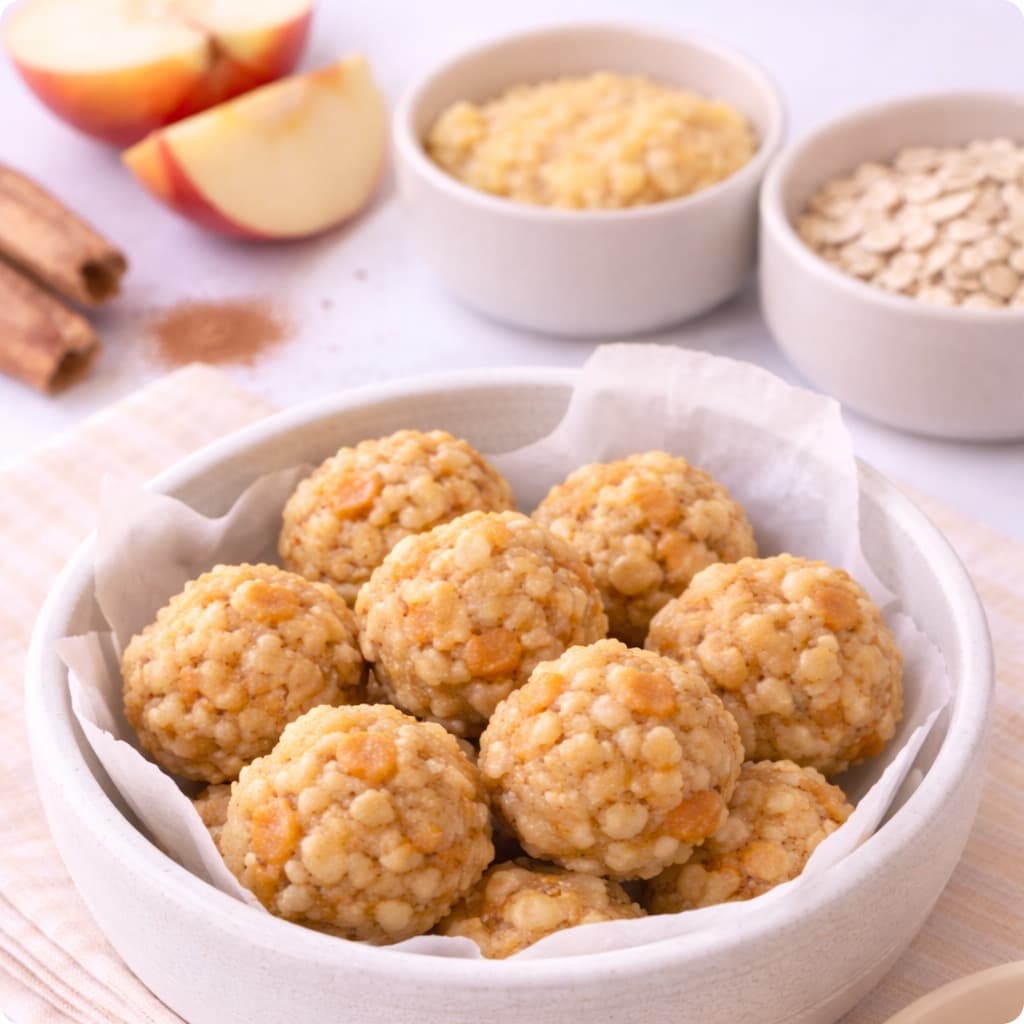
9–11 months
As chewing develops: soft lumps and tender oat pieces
Continue offering moist fully cooked oatmeal, leaving small soft lumps when your baby handles them. If making a baked oat finger, check it is tender and breaks apart easily, not a hard bar or sticky dense ball. Add ripe mashed fruit that has been prepared safely.
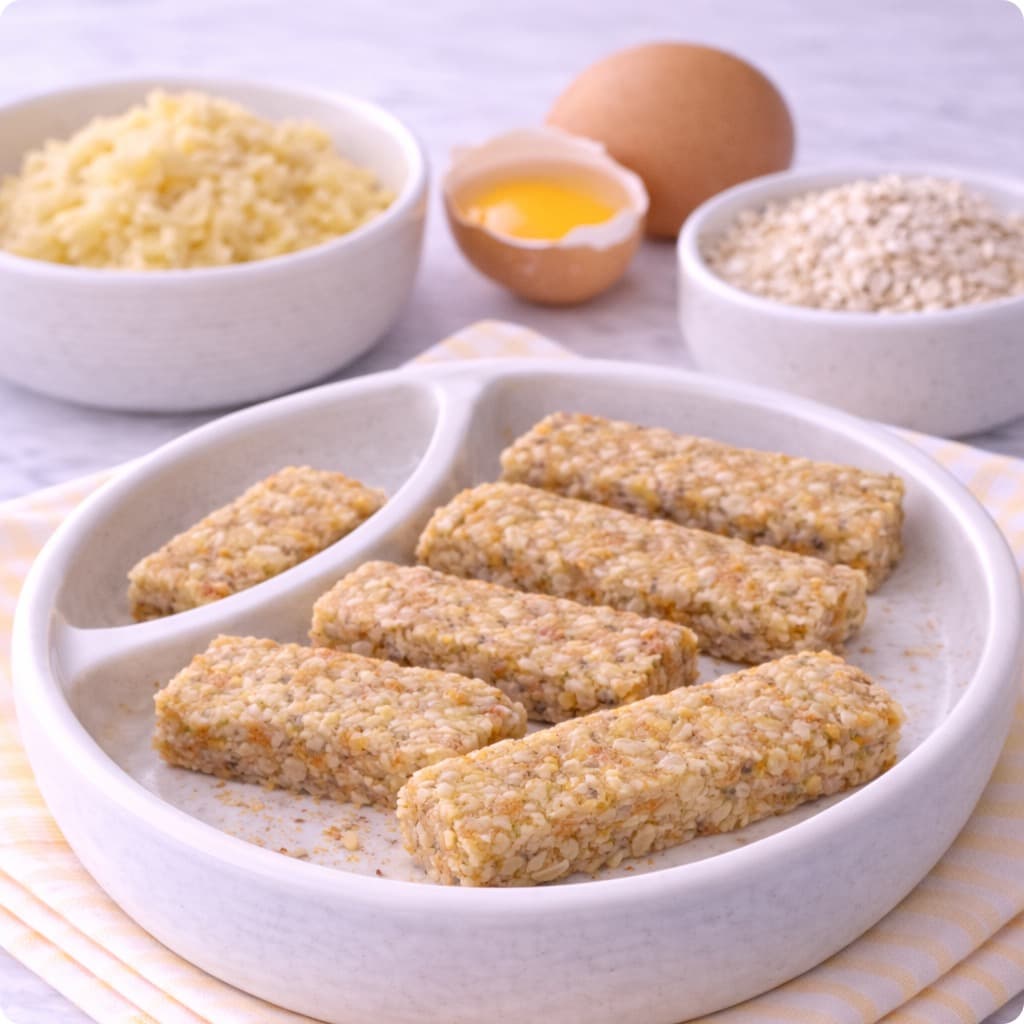
12+ months
Toddlers: family porridge, carefully prepared mix-ins
Offer plain cooked oatmeal with soft fruit or safe, previously introduced ingredients. Tender baked oats can be served if they crumble without forming hard or sticky chunks. Nut or seed butter should be mixed in thinly rather than offered as a thick glob; avoid whole nuts and honey under 12 months.
When can babies eat oatmeal?
Oats themselves do not naturally contain wheat, barley or rye gluten, but processing cross-contact may occur. When a diagnosed condition requires gluten avoidance, choose appropriately certified oats and follow medical advice.
Use water during cooking and, if suitable, add expressed breast milk or correctly prepared formula after the oats have cooked. Oatmeal is a complementary food and does not replace usual milk feeds in the first year.
See our first foods for baby guide for more ideas.
Oatmeal recipe ideas for babies
One bag of oats covers first purees to toddler bars.
- Apple oat mash with cinnamon
- Banana oat porridge with a thin peanut butter swirl
- Soft apple cinnamon oat bites
- Baked apple oat bars for self-feeding
Explore our baby-led weaning food list and first foods for baby for more inspiration.
More Cutting Guides
Related Guides
View all feeding guidesFrequently Asked Questions
Can a six-month-old eat regular oatmeal?
Yes, if it is cooked until fully soft and served as a moist, manageable porridge. Regular oats may have less iron than fortified infant oat cereal.
Is all oatmeal iron-fortified?
No. Check the packaging for added iron; unfortified rolled oats and infant cereal have different nutrient profiles.
Can I use breast milk or formula in porridge?
Cook the oats properly first. Expressed milk or correctly prepared formula may be added afterwards as appropriate; continue normal infant milk feeds.
Can a baby have baked oat bars?
Only if the finished texture is truly soft and breaks apart readily. Avoid dense sticky, chewy or hard baked pieces and whole nuts.
Sources & References
This guide is informed by current guidelines from leading health organizations:
- ●NHS - Your Baby's First Solid Foods NHS
- ●CDC — Choking Hazards (reviewed March 2026) CDC
- ●AAP - Iron Needs for Babies and Toddlers AAP
- ●CDC - When, What, and How to Introduce Solid Foods CDC
