Oatmeal for Baby
Last updated October 2026
Soft cooked oatmeal can be introduced once a baby is ready for solids, usually around six months. Moist, spoonable porridge is a different experience from dry oats or dense sticky oat bars.
Quick answer
From around six months, offer oatmeal once developmental readiness is established. Cook until the grains are fully softened and adjust texture to the child's skills.
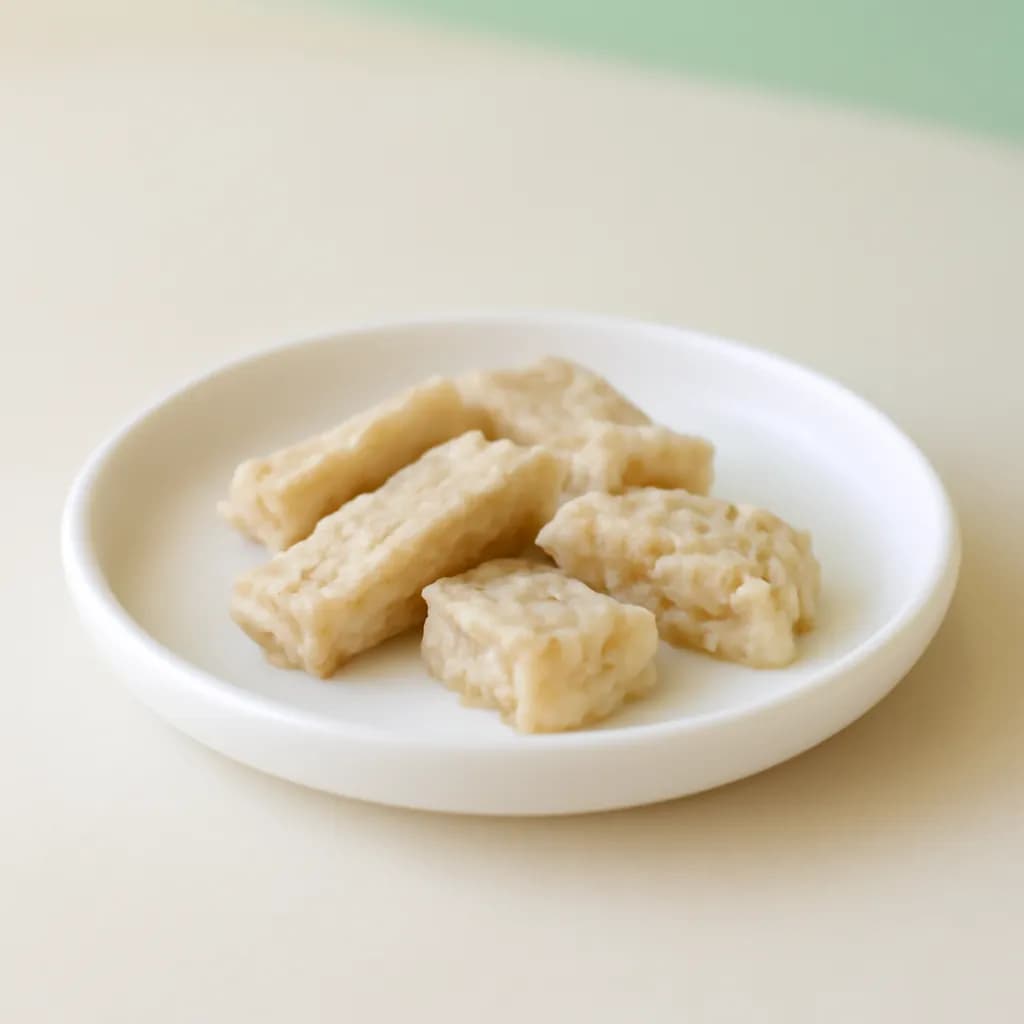
How to prepare oatmeal for an early eater
Cook oats according to their package directions until soft. Stir to break up any dry clumps and thin with water or another suitable liquid as needed.
Offer moist porridge from a spoon or preloaded spoon. Cool and stir carefully to prevent hot pockets, particularly after reheating.
As chewing develops, offer thicker soft porridge and tender familiar fruit. If making oat fingers, check that they break apart rather than becoming hard or sticky bars.
Mix thinned nut or seed butter evenly into the food rather than offering large sticky spoonfuls. Avoid honey before twelve months, whole nuts and crunchy granola.
When can babies try oats?
Oats can be prepared using water; breast milk or correctly prepared formula may be mixed in afterwards for a suitable food. Continue normal milk feeds throughout the first year.
Fortified infant oat cereals may be a useful iron source, while unfortified porridge should not be portrayed as equally iron-rich. Read the label for the individual product.
Ordinary rolled oats and iron-fortified infant oat cereal are not nutritionally interchangeable. Check the actual packet for iron fortification, and continue to offer iron-containing foods in the diet.
Oats do not naturally contain wheat gluten, but cross-contact with wheat, barley or rye can occur in production. Use appropriate certified gluten-free products if a diagnosed condition requires it.
See our first foods for baby guide for more ideas.
Oatmeal safety checks
Cook oats until uniformly soft; avoid dry flakes and dense sticky clumps.
Check product-specific iron fortification instead of assuming all oats are fortified.
Use appropriately certified gluten-free oats when clinically required due to gluten cross-contact.
Introduce dairy, nuts and other allergenic mix-ins separately when practical.
Stir and check temperature before offering; avoid honey for children under twelve months.
Keep the baby upright and closely supervised at meals.
Oatmeal recipes for babies
View all recipes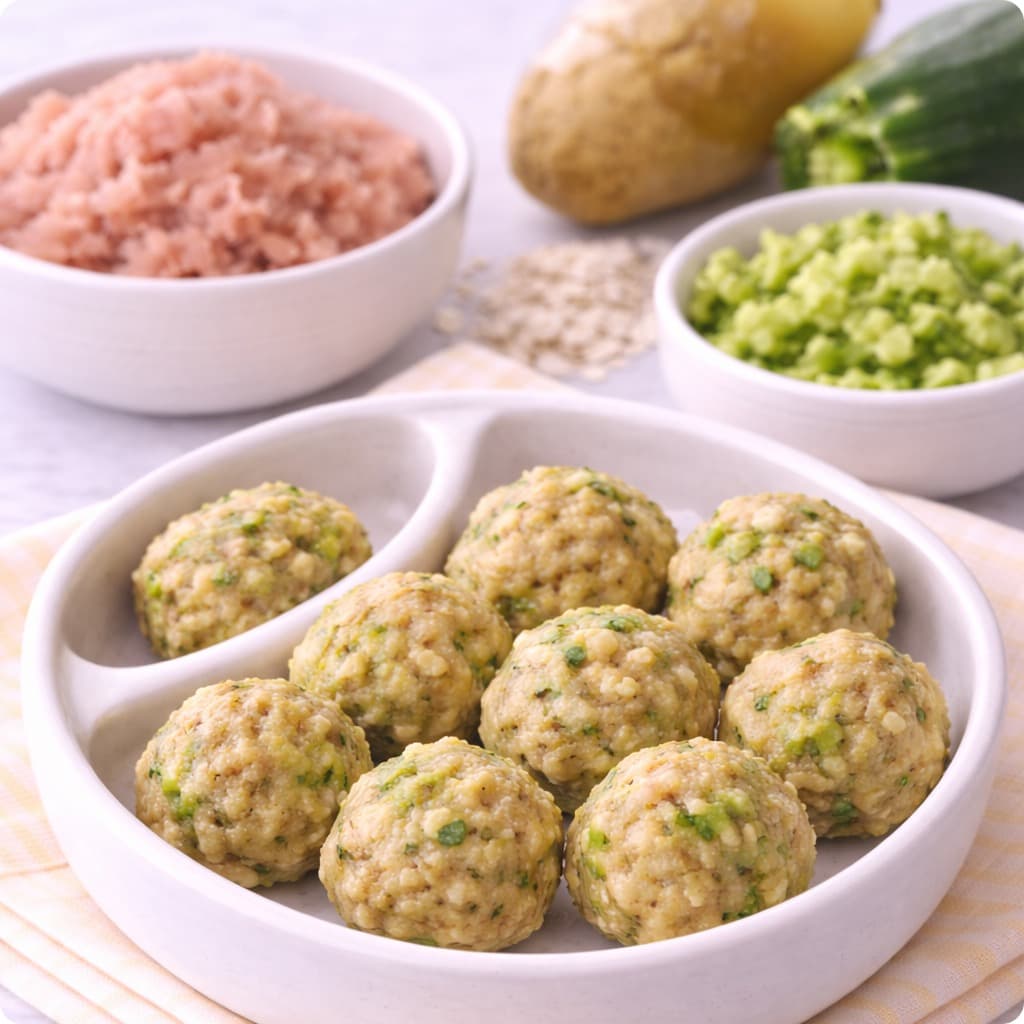
Turkey BLW Meatballs

Blueberry Oat Pancake Strips
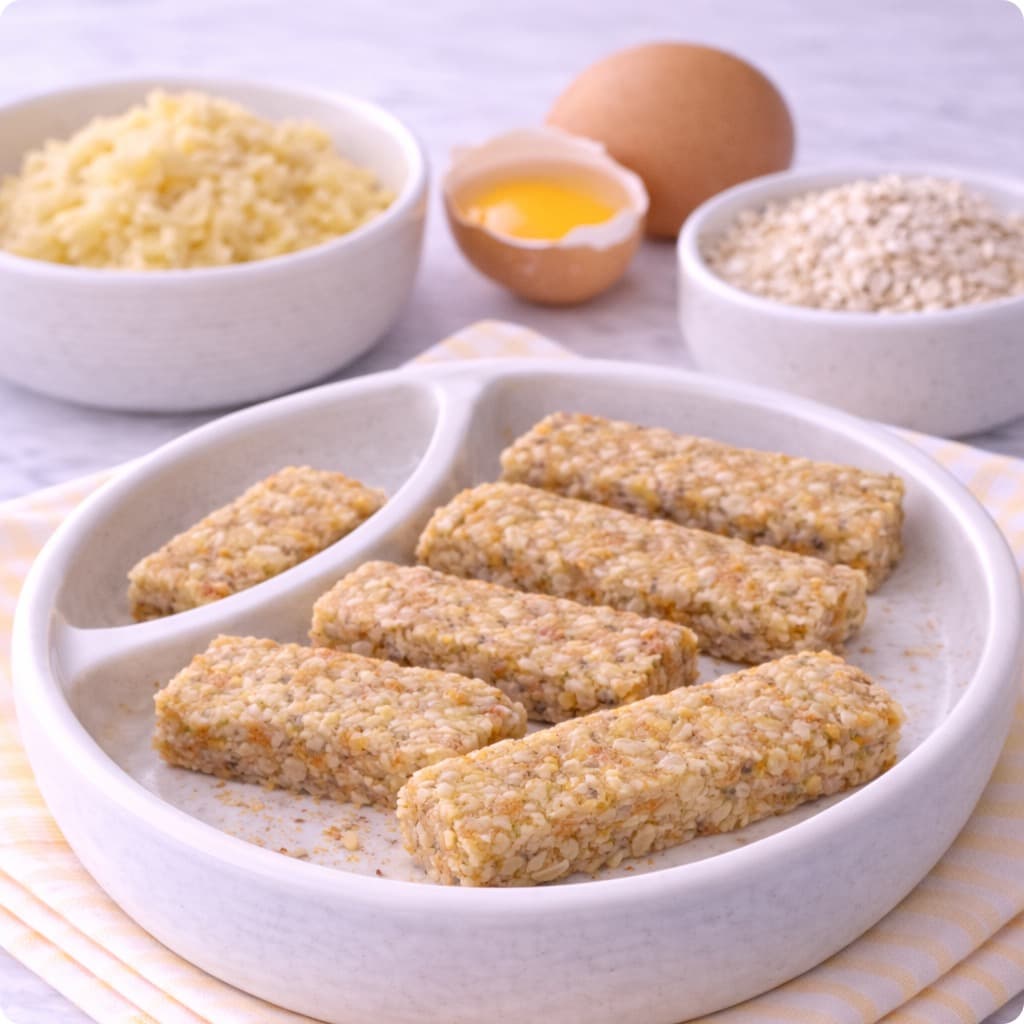
Apple Oat BLW Bars
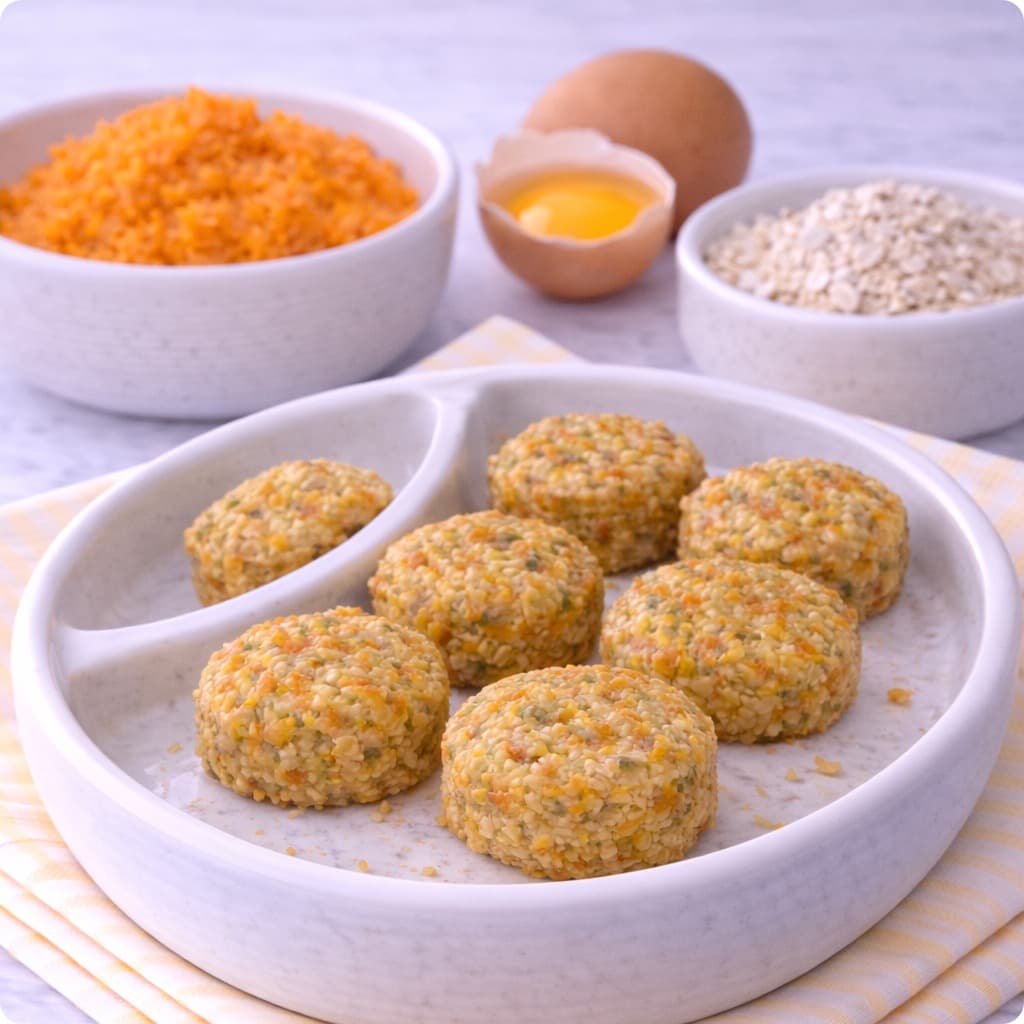
Carrot Oat BLW Muffins
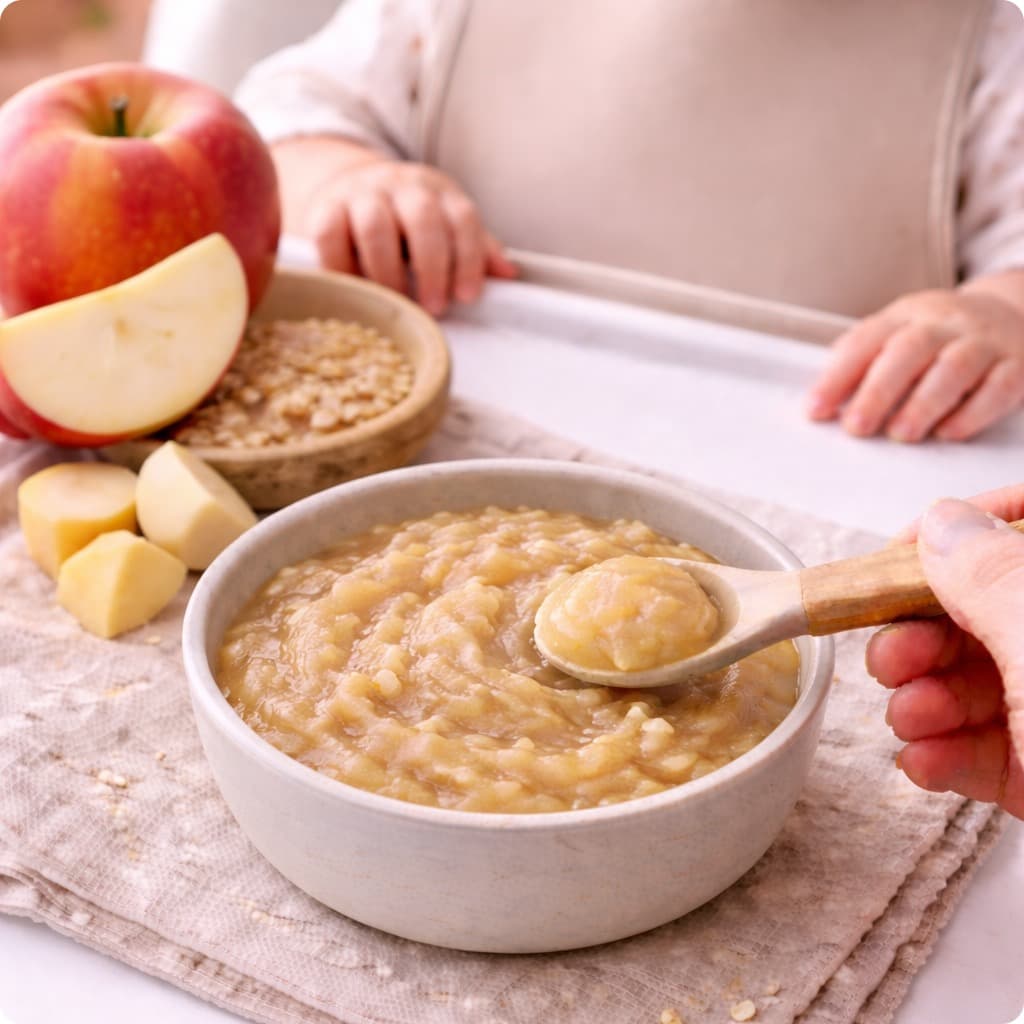
Apple Oatmeal

Banana Oatmeal
See all oatmeal recipes for babies. Explore baby breakfast recipes, baby-led weaning recipes and first foods for baby for more ideas.
Related Guides
Frequently Asked Questions
Is Oatmeal a common allergen?
Oatmeal is not typically a common allergen for babies. Many babies can try it from around 6 months as part of a varied diet.
What nutrients does Oatmeal provide for babies?
Oatmeal provides nutrients like fibre, iron, protein, carbohydrates that support babies' growth and development.
Sources & References
This guide is informed by current guidelines from leading health organizations:
- ●CDC - When, What, and How to Introduce Solid Foods CDC
- ●NHS - Your Baby's First Solid Foods NHS
- ●NHS - Food Allergies in Babies NHS
- ●AAP - Iron Needs for Babies and Toddlers AAP
