How to Serve Chickpeas for Baby
Last updated October 2026
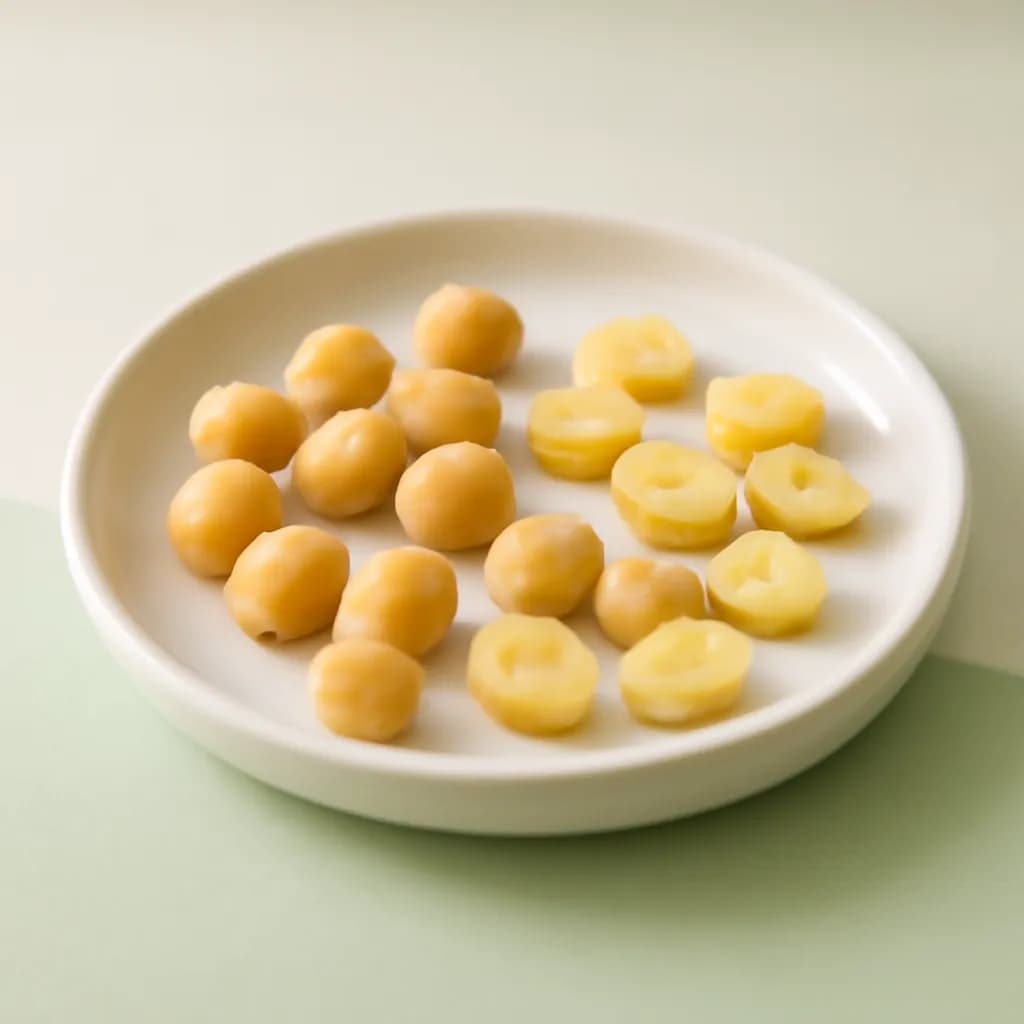
Cook chickpeas until they crush under gentle fork pressure, then mash, purée or flatten them before offering them to a baby. Whole round beans are recognised choking hazards, even when a baby has started picking up food independently.
Chickpeas bring plant protein, fibre and some iron to a varied complementary diet. For a first taste, a spoonable chickpea mash is simpler than whole beans; once skills develop, offer thoroughly soft, individually flattened pieces rather than a guaranteed 'safe' centimetre size.
Quick answer
Babies who are developmentally ready for solids, generally around six months, can try well-cooked, mashed chickpeas. NHS first-food guidance includes pulses and its preparation advice specifically recommends mashing or softening chickpeas for younger children.
Select Baby's Age
6–8 months
Starting solids: thoroughly mashed chickpeas
For a beginning eater, cook chickpeas until they collapse easily when pressed. Mash with a fork or blend with a little water until no firm round beans remain and the texture is comfortably spoonable. Offer on a preloaded spoon or mixed into already familiar soft vegetables. If using hummus, avoid added salt and check tahini for sesame exposure; do not assume all hummus is allergen-free. Do not offer whole, firm chickpeas as finger foods.
6 month baby feeding schedule for more tips.
9–11 months
Developing grasp: soft, flattened chickpeas
As your baby can pick up and manage pieces, thoroughly cook each bean and flatten it with a fork so it no longer retains a round, firm shape. Stir flattened beans through a moist vegetable mash or continue mashed chickpeas on a spoon. If individual skins remain chewy, blend or remove them; no specific flattened diameter makes a piece choking-proof. Continue watching the child's ability to move food and swallow.
12+ months
Toddlers: retain softness and avoid firm round beans
Soft chickpea mash, a low-salt chickpea and vegetable spread, or thoroughly cooked flattened beans can fit toddler meals. Whole firm chickpeas are not automatically appropriate at a first birthday: assess chewing, skin and texture and adapt further when needed. Soft homemade chickpea patties are another idea only when they break down easily, contain no hard chunks and the actual recipe has been checked. Keep eating seated and supervised.
When can babies try chickpeas?
Dried chickpeas need soaking and thorough cooking according to package instructions; do not serve raw, sprouted or undercooked beans. For canned chickpeas, choose no-added-salt when possible, drain and rinse, then check softness and simmer further if needed.
Plain chickpea mash is different from hummus: many hummus recipes contain tahini (sesame), a priority allergen. If offering hummus, inspect every ingredient and introduce allergens in an appropriate form following your child's circumstances.
See our first foods for baby guide for more ideas.
Soft chickpea serving ideas
These are preparation ideas, not physically kitchen-tested Nibli recipes. Check individual ingredients and final texture before serving.
- Smooth plain chickpea and carrot mash with water to loosen
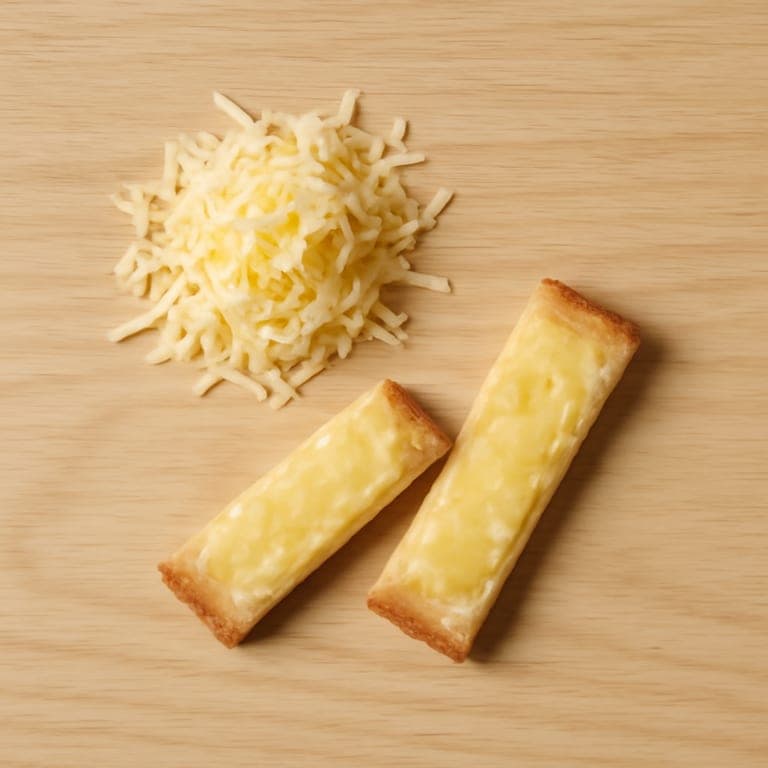
- No-salt chickpea spread on a suitably soft toast finger (wheat allergen)
- Chickpeas blended into an already familiar soft vegetable purée
- Fork-flattened, thoroughly tender chickpeas mixed through mashed sweet potato
Explore our baby-led weaning food list and first foods for baby for more inspiration.
More Cutting Guides
Related Guides
View all feeding guidesFrequently Asked Questions
Can a six-month-old eat chickpeas?
Yes, once ready for solids, as very soft mashed or puréed chickpeas with no firm round beans. Start with a manageable texture rather than a whole chickpea.
Are canned chickpeas soft enough for a baby?
Not always. Use no-added-salt when possible, rinse, then press one with a fork. Simmer longer if the centre is firm, and mash or flatten before serving.
Is hummus safe if it contains tahini?
Tahini contains sesame, a common allergen. Check the label and consider your child's allergen introduction history; avoid added salt and thick, dry mouthfuls.
When can I offer whole chickpeas?
There is no automatic age that removes a round-bean choking risk. Continue mashing or flattening as needed and adapt to individual chewing skills.
Sources & References
This guide is informed by current guidelines from leading health organizations:
- ●NHS - Preparing Food Safely for Babies NHS
- ●CDC — Choking Hazards (reviewed March 2026) CDC
- ●NHS - Your Baby's First Solid Foods NHS
- ●CDC - When, What, and How to Introduce Solid Foods CDC