When can babies eat coconut?
Babies can start eating coconut flesh, oil, or milk from around 6 months, when they begin solid foods. Introducing coconut early can help identify any allergies while the baby is still under close observation.
Although the FDA classifies coconut as a tree nut allergen for labelling purposes, true coconut allergy is rare. Most children with tree nut allergies can safely consume coconut, but it should still be introduced carefully.
How to serve coconut safely
Offer coconut in small, age-appropriate forms such as finely grated coconut flesh mixed into purees, a small amount of coconut milk added to foods, or a drizzle of coconut oil in cooking.
Avoid giving large chunks or hard pieces to prevent choking. Always watch your baby closely when introducing new foods, especially potential allergens like coconut.
Nutritional benefits for babies
- 💚Provides healthy fats that support brain development and energy needs.
- 💚Contains medium-chain triglycerides (MCTs) which are easier for babies to digest.
- 💚Offers small amounts of vitamins and minerals such as manganese and copper.
- 💚Adds variety and texture to a baby’s diet, encouraging acceptance of new foods.
Safety considerations
- ✓Introduce coconut gradually and watch for any signs of allergic reaction such as rash, vomiting, or swelling.
- ✓Consult your pediatrician if your baby has a known tree nut allergy before introducing coconut.
- ✓Avoid giving coconut in forms that pose a choking risk, such as large chunks or whole nuts.
- ✓Always supervise your baby during feeding, especially when trying new allergenic foods.
Recipes with coconut for babies
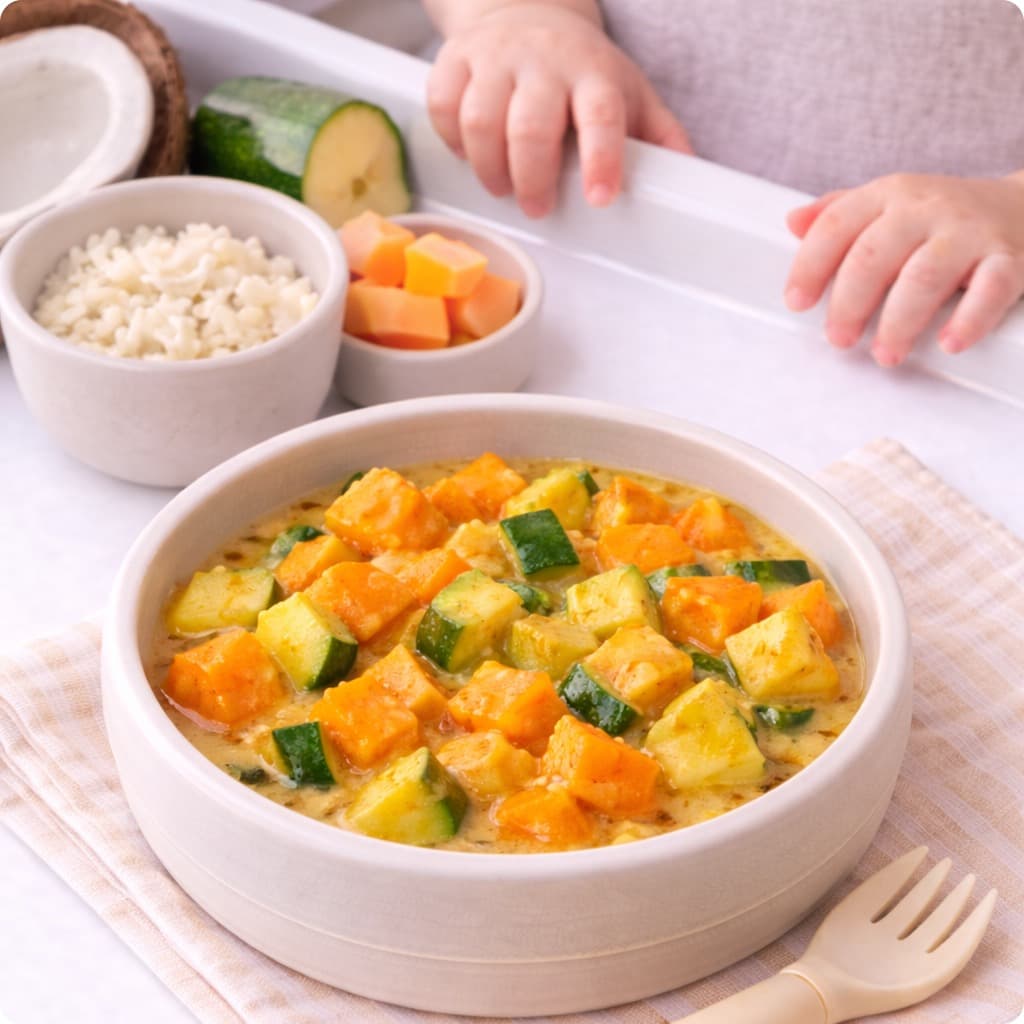
Mild Coconut Sweet Potato Baby Curry
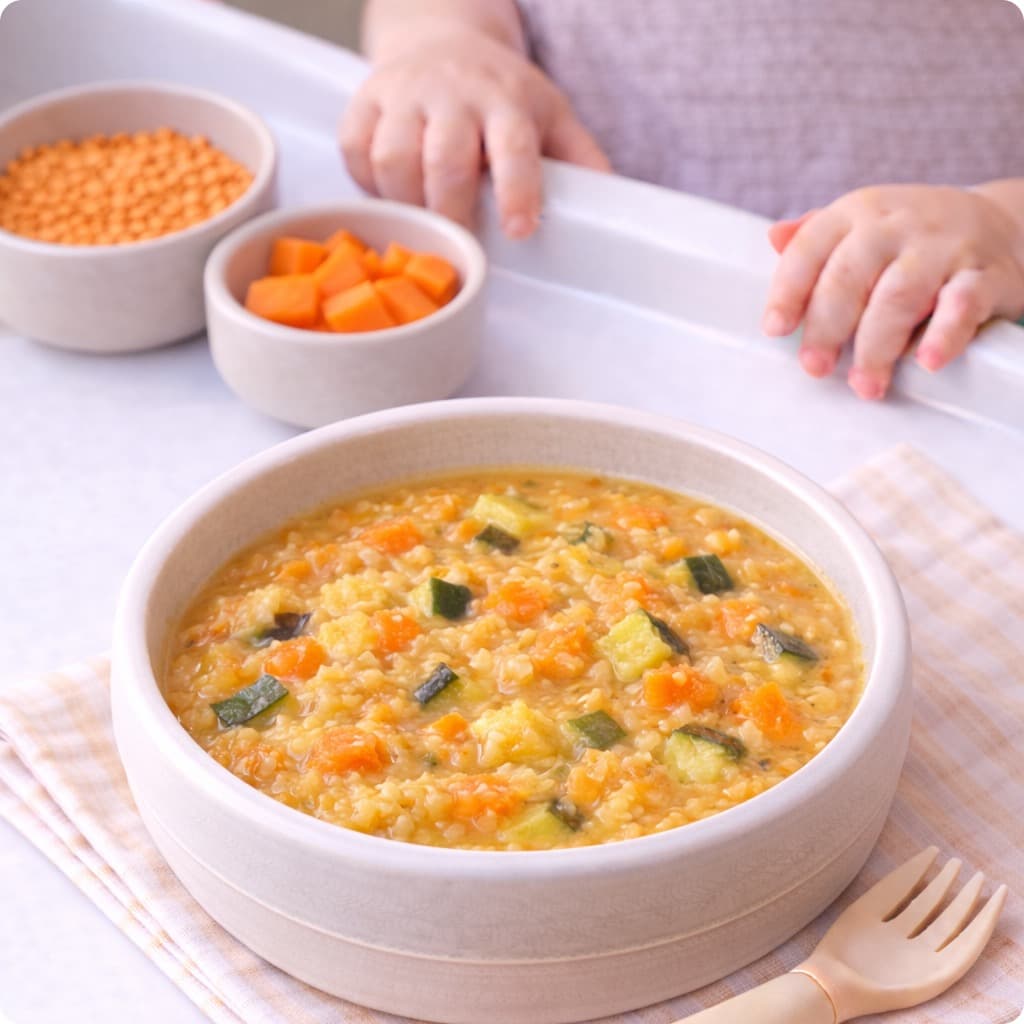
Mild Coconut Lentil Baby Soup
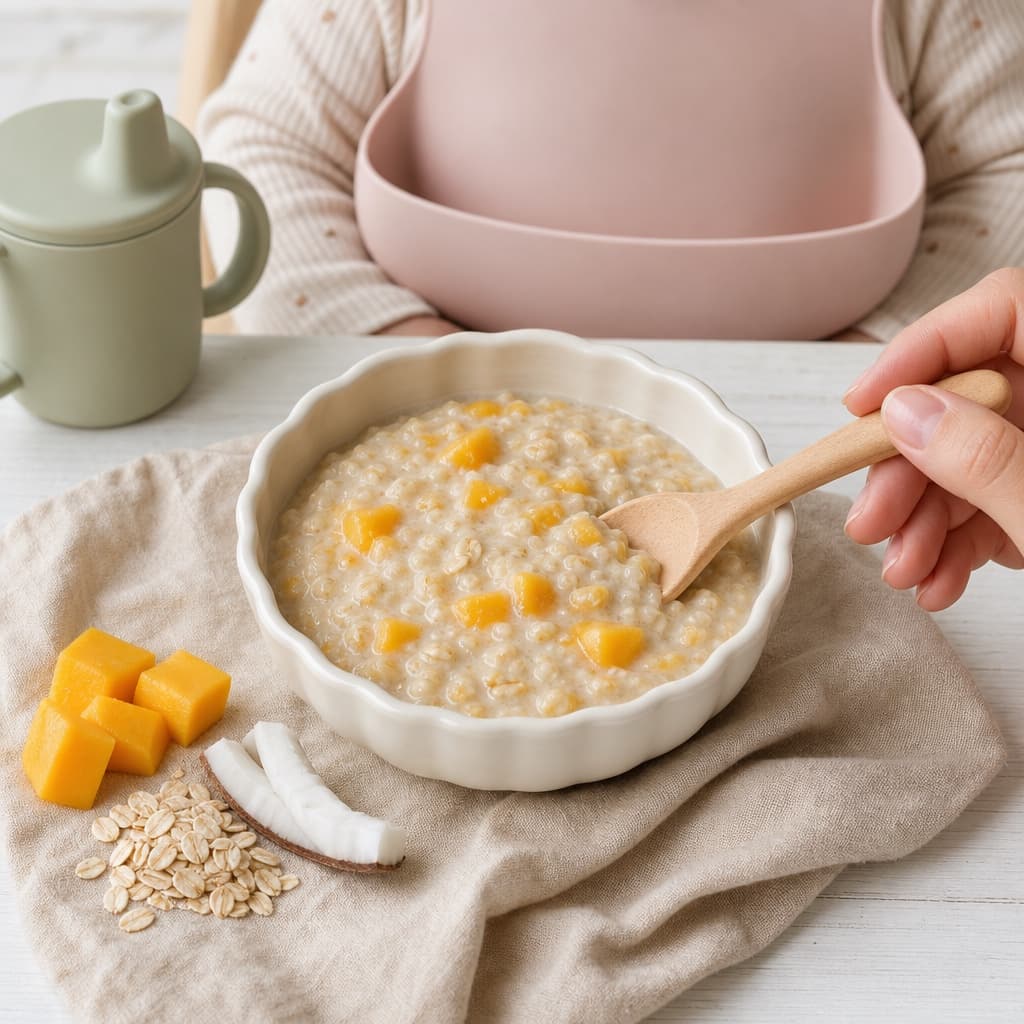
Mango Coconut Oatmeal
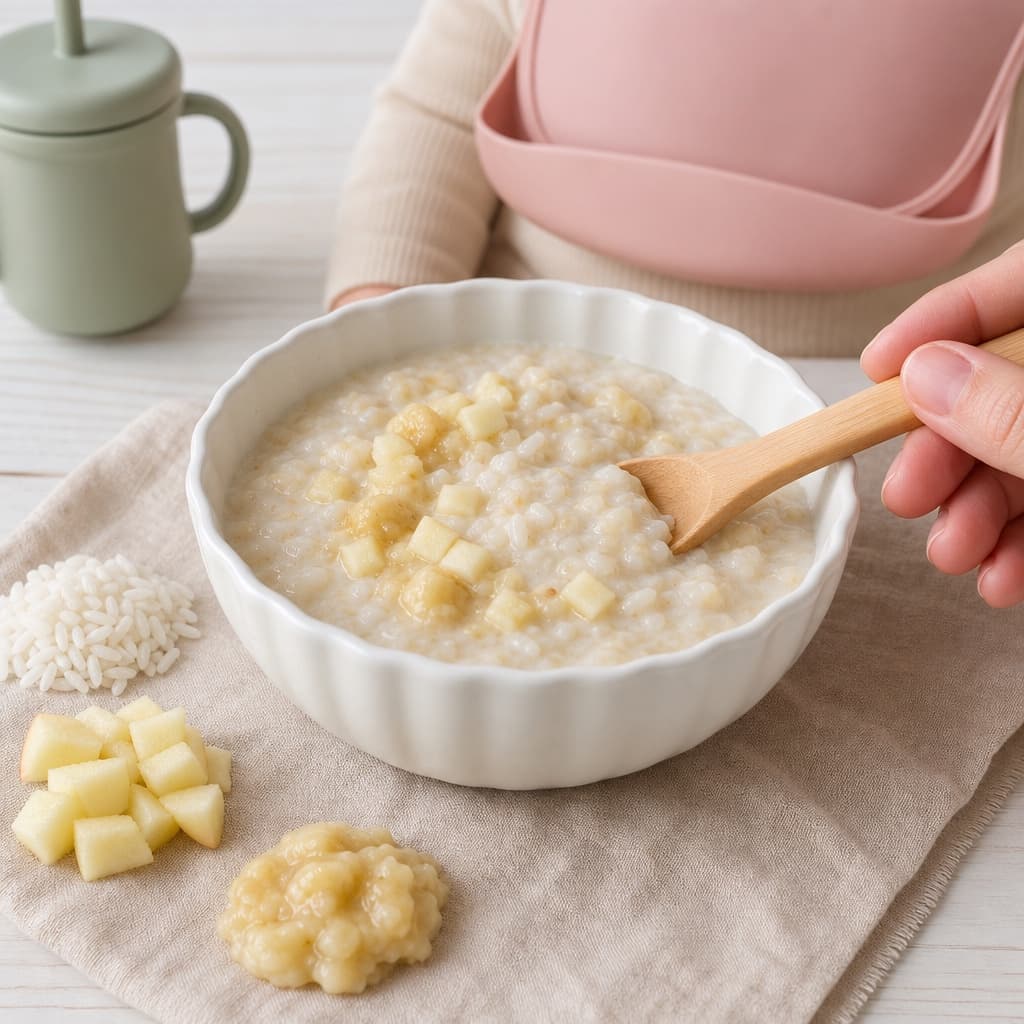
Coconut Rice Breakfast Pudding
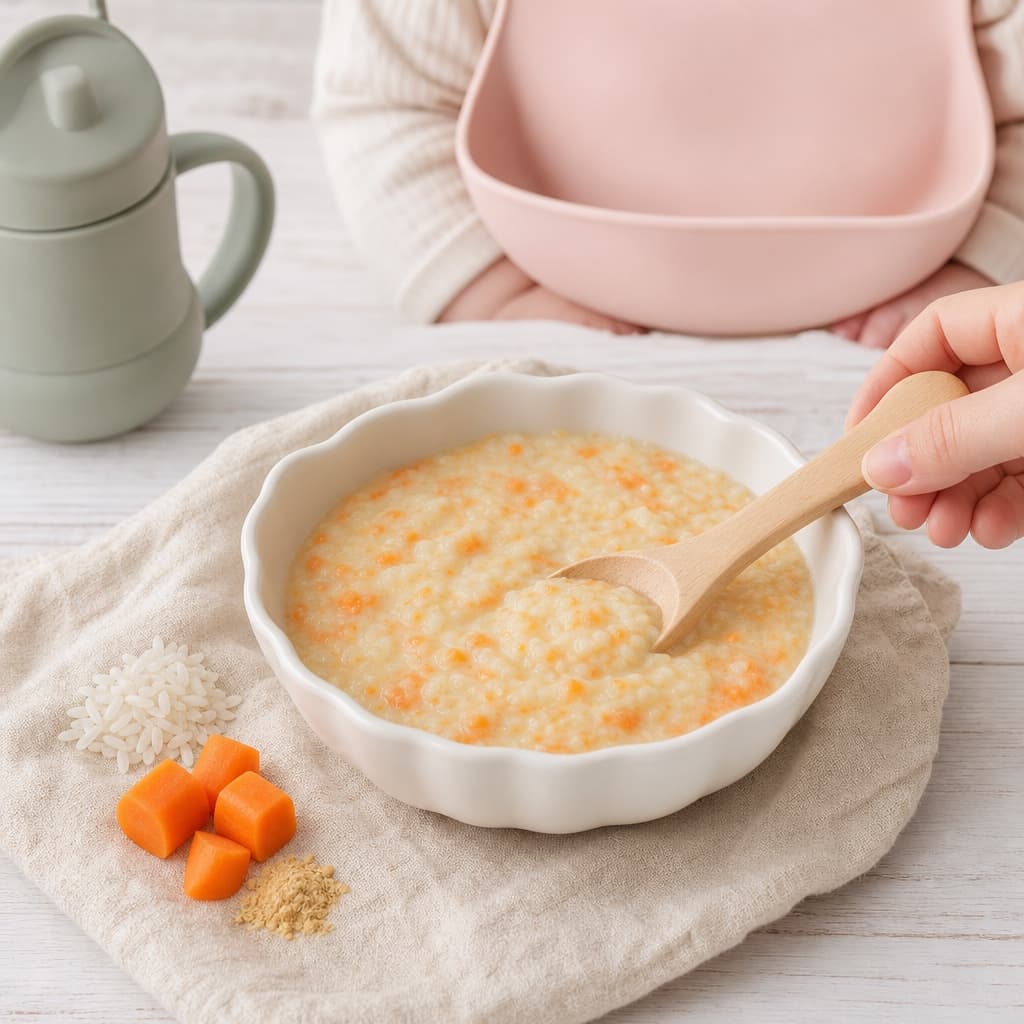
Coconut Carrot Rice Soup
Frequently asked questions
Is coconut safe for babies with tree nut allergies?
Yes, most babies with tree nut allergies can safely eat coconut because it is botanically different from tree nuts. However, consult your pediatrician before introducing coconut if your baby has a tree nut allergy.
At what age can I introduce coconut to my baby?
Coconut can be introduced from around 6 months of age when your baby starts solid foods. Introduce it gradually and watch for any allergic reactions.
Can coconut oil be used for cooking baby food?
Yes, coconut oil is safe for babies and can be used in small amounts for cooking or adding to purees to provide healthy fats.
What are signs of a coconut allergy in babies?
Signs may include rash, hives, vomiting, diarrhea, swelling of the lips or face, or difficulty breathing. Seek medical advice immediately if you notice these symptoms.
Is coconut milk suitable for babies?
Coconut milk can be given in small amounts from 6 months as part of a varied diet. Choose unsweetened, additive-free coconut milk and avoid using it as a main milk source.
How should I prepare coconut for my baby?
Offer finely grated coconut mixed into purees, small amounts of coconut milk, or a drizzle of coconut oil. Avoid large pieces to prevent choking.
Can coconut cause choking in babies?
Yes, large pieces of coconut flesh or whole nuts can pose a choking hazard. Always serve coconut in age-appropriate, finely textured forms and supervise your baby during feeding.
Does introducing coconut early help prevent allergies?
Introducing allergenic foods like coconut around 6 months may help reduce the risk of developing allergies, according to current guidelines. Always introduce new foods one at a time and monitor for reactions.
Get recipes + a feeding plan for your baby
Save this food to your baby's list, get age-appropriate recipes and follow a personalized feeding schedule - 350+ baby-safe meals in the app.
verifiedSources & References
This guide is informed by current guidelines from leading health organizations: