Barley for Baby
Last updated October 2026
Babies ready for solids, generally around six months, may try barley cooked until very soft and mashed or blended into moist porridge. Do not offer intact chewy barley kernels: the CDC lists whole cooked barley grains among choking hazards.
Quick answer
Babies ready for solids around six months can try thoroughly softened cooked barley that has been mashed or blended into a moist spoonable texture.
How to prepare barley for babies
Cook pearl or pot barley following the product instructions until the grains are completely tender. Different barley types take different times; do not rely only on a fixed cooking minute count.
Mash or blend cooked barley, adding enough liquid to make smooth, moist spoonable porridge. Check for firm husks and intact chewy grains before serving.
As finger skills develop, continue using fully softened barley mashed into soups, purées or moist meals; pincer grasp alone does not make intact grain kernels suitable.
Keep toddler barley dishes soft and manageable rather than serving a scatter of whole chewy kernels, and avoid barley entirely if a gluten-free diet is medically required.
When can babies eat barley?
Barley contains gluten. When gluten is newly introduced, offer a small first taste separately from other unfamiliar allergens when practical and keep tolerated foods in the usual diet. Follow individual advice for diagnosed coeliac disease or allergy.
The CDC explicitly includes whole grain kernels of cooked barley among choking hazards for young children. Do not serve chewy intact barley grains as a finger-food scatter.
Barley contains gluten and is not suitable for someone with coeliac disease. Introduce gluten-containing foods in line with local guidance and an individual allergy plan where relevant. Regular barley is not automatically iron-fortified; include other suitable iron sources.
See our first foods for baby guide for more ideas.
Gluten, cooked kernels and texture
Barley contains gluten; introduce a small first taste separately from other new allergens when practical, subject to the child's medical plan.
CDC identifies whole cooked barley grain kernels as choking hazards; mash or blend rather than offering intact kernels.
Cook all grains until fully tender and maintain a moist texture; discard firm or chewy husks.
Do not promise that barley prevents allergy or meets iron needs alone.
Avoid unnecessary salt or hard toppings and introduce other allergenic ingredients separately as appropriate.
Check serving temperature, keep the baby seated upright and supervise eating.
Barley recipes for babies
View all recipes
Pear Barley Porridge
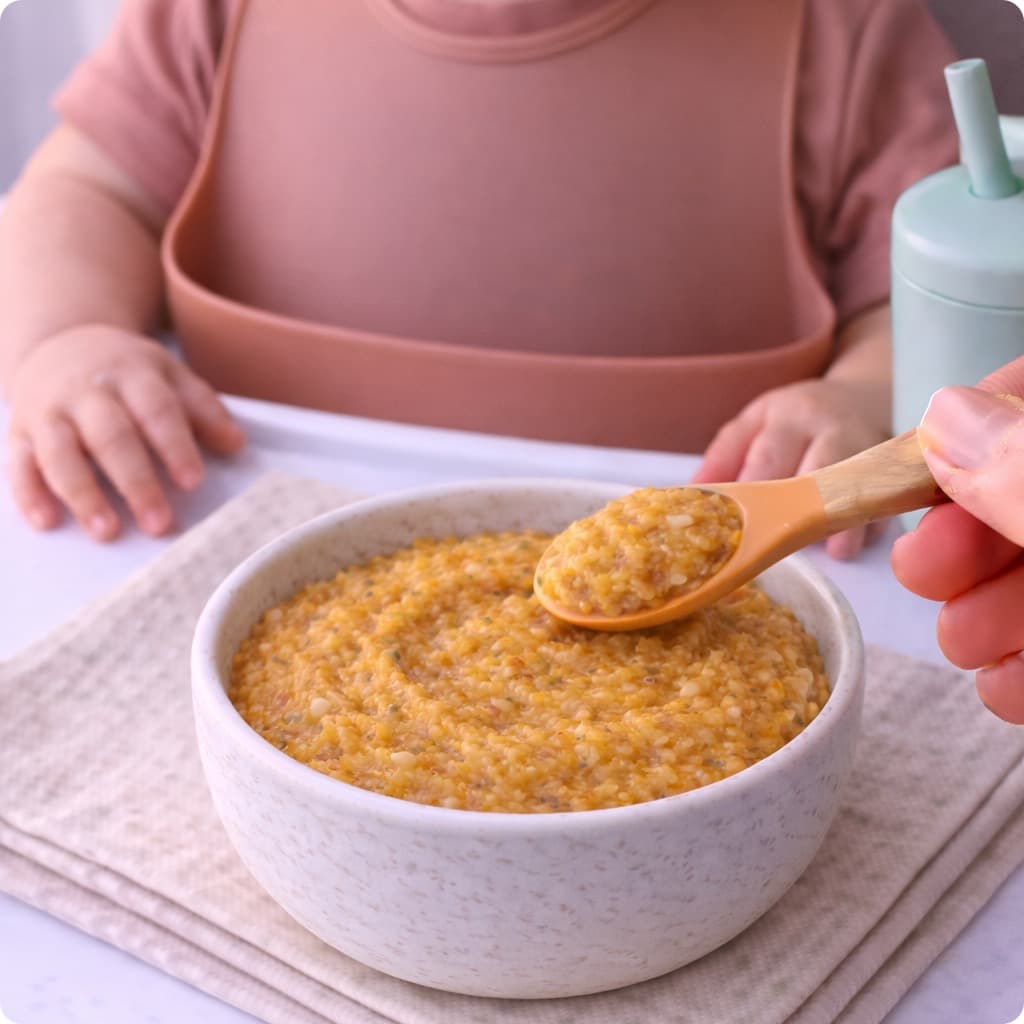
Beef, Pumpkin & Barley Mash
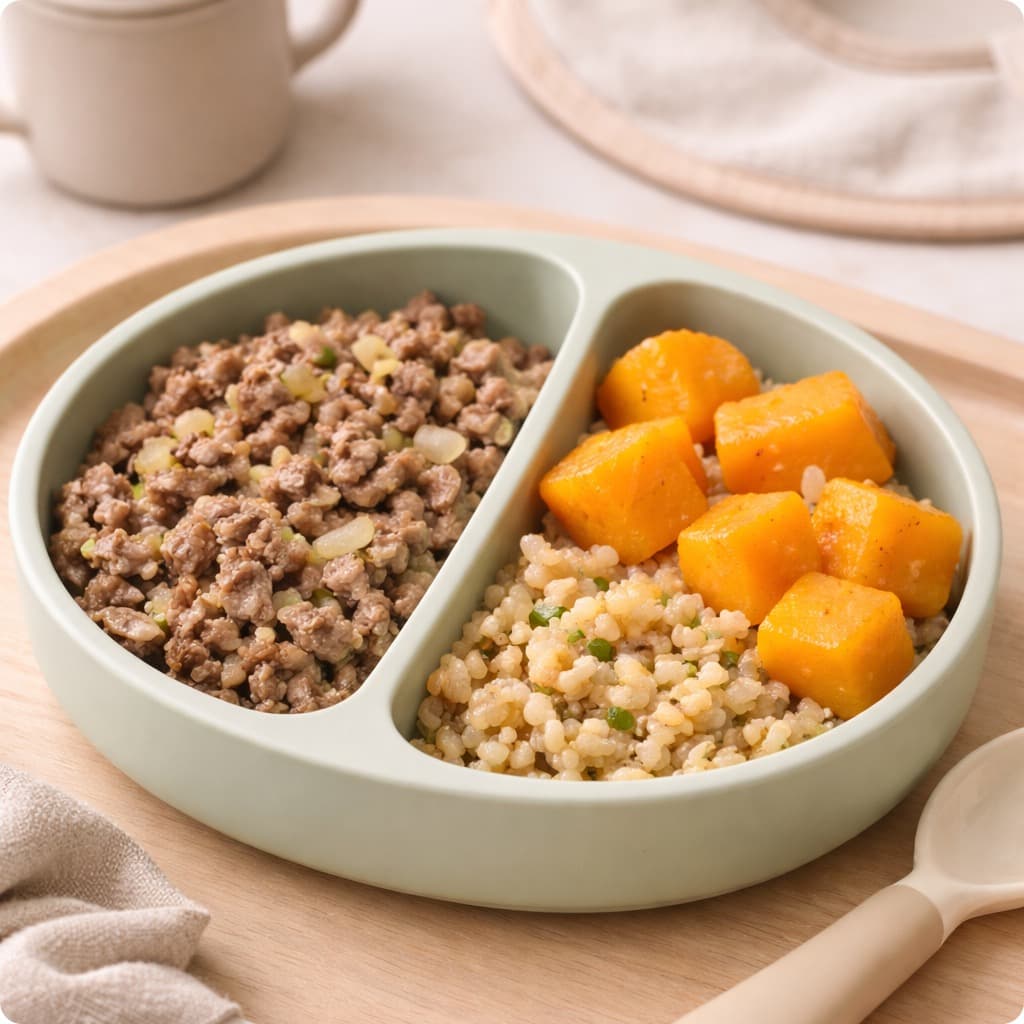
Beef, Pumpkin & Barley Bowl
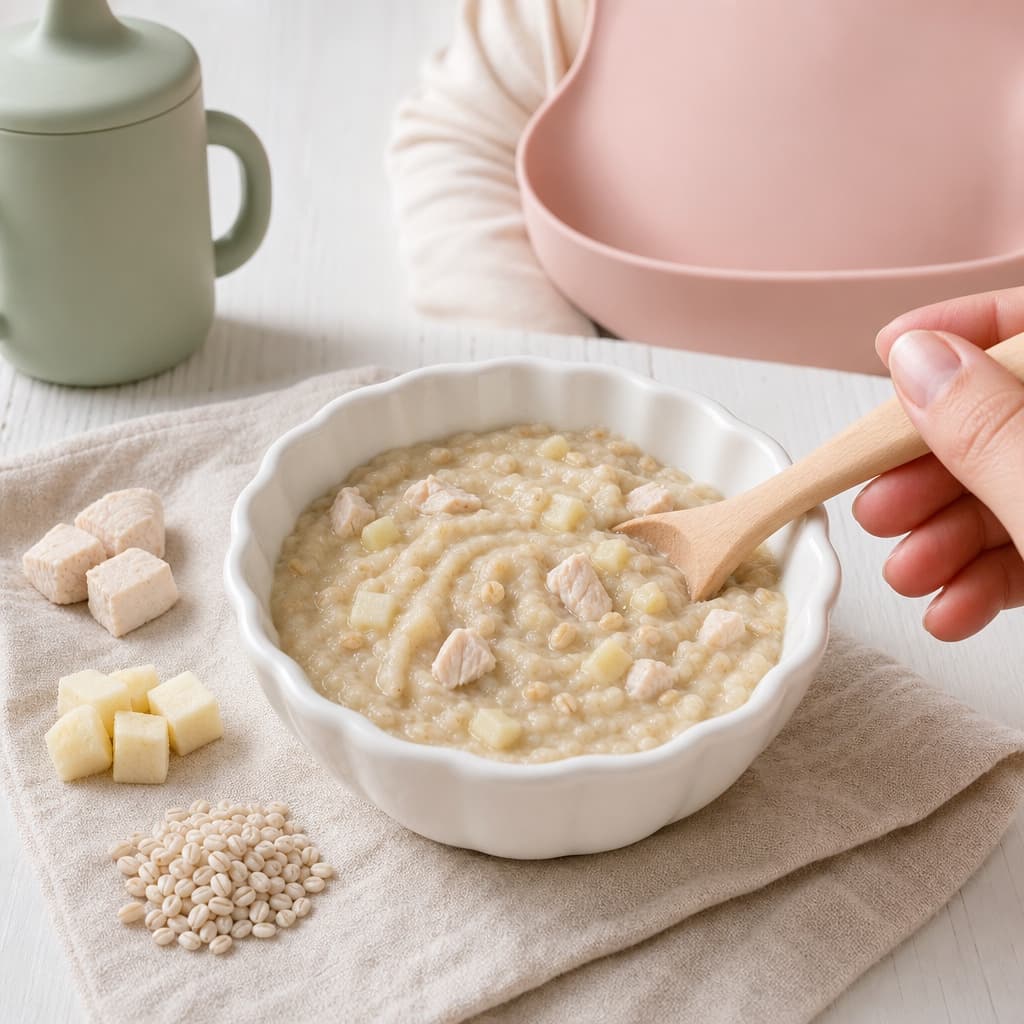
Chicken Parsnip Barley Bowl
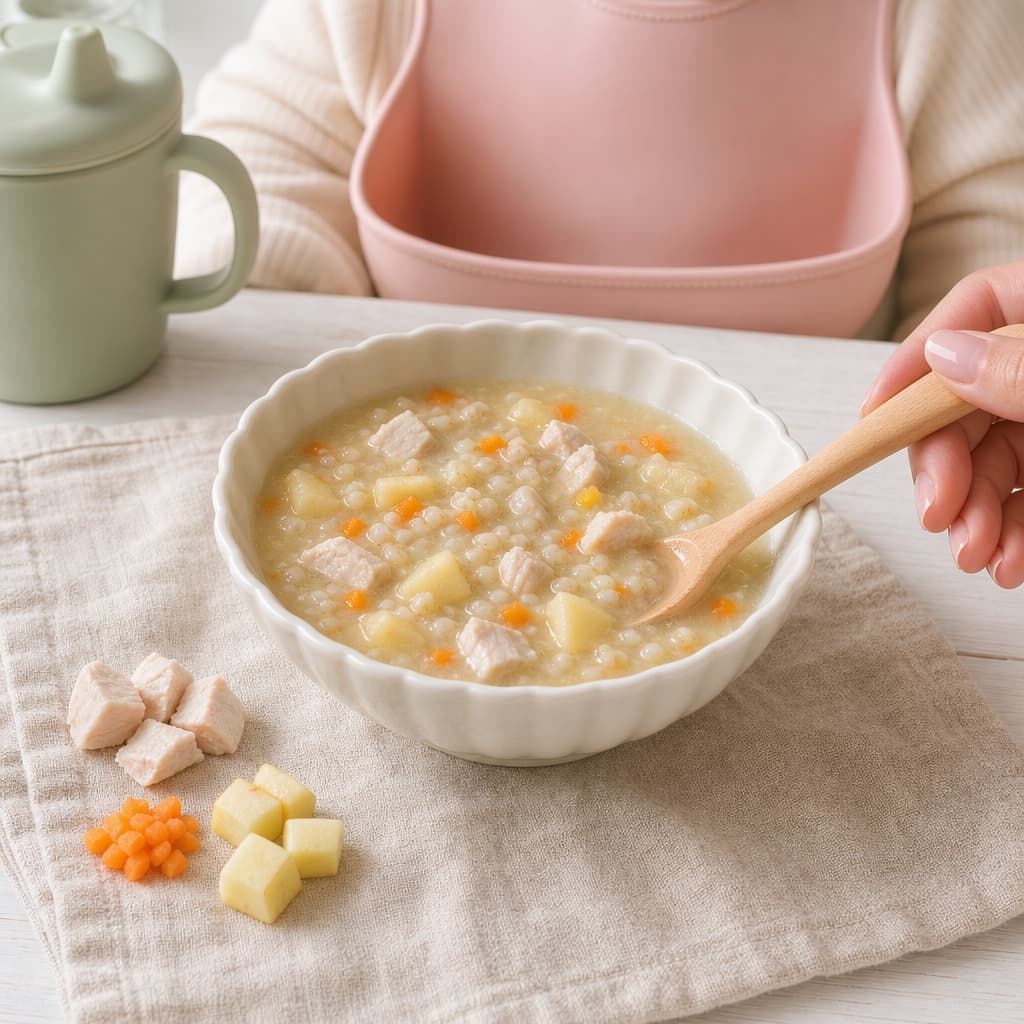
Chicken Apple Barley Soup
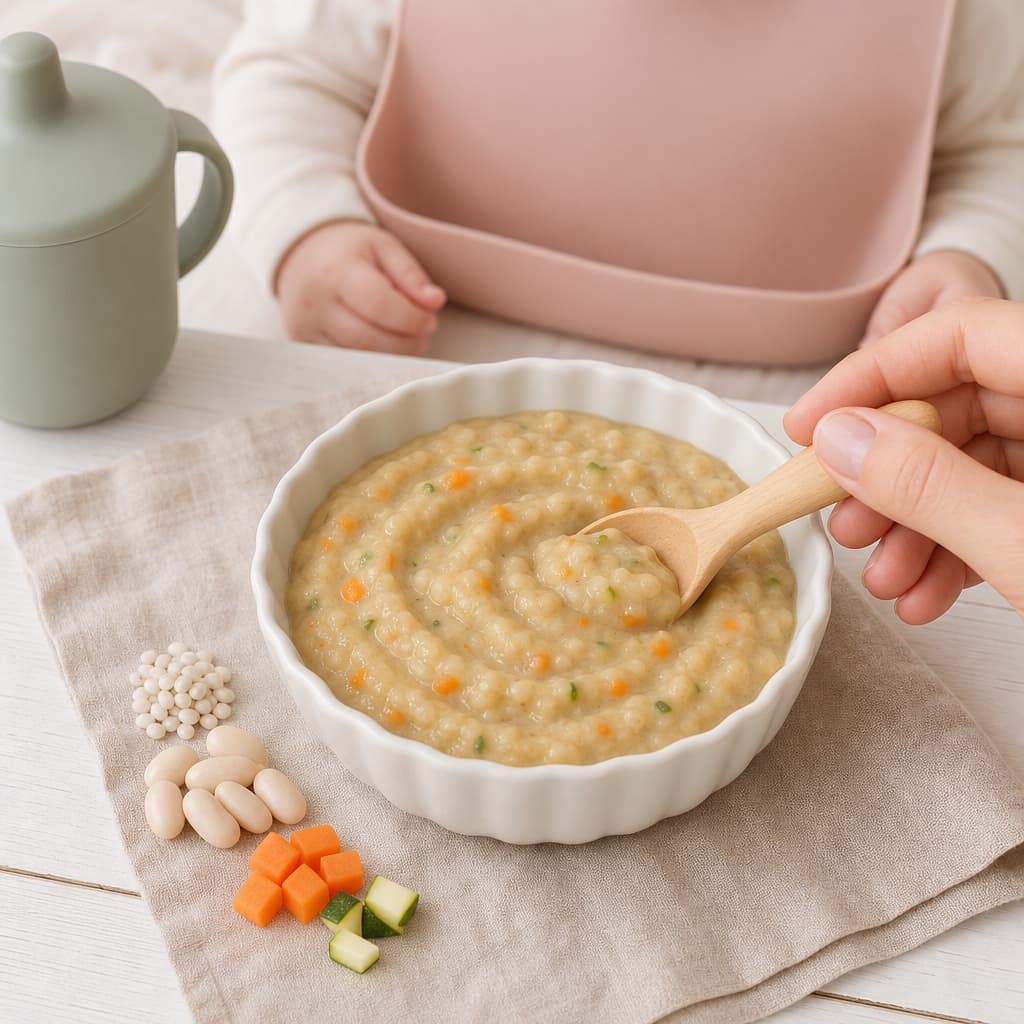
Mild Bean Barley Stew
See all barley recipes for babies. Explore baby breakfast recipes, baby-led weaning recipes and first foods for baby for more ideas.
Related Guides
Frequently Asked Questions
Is barley gluten-free?
No. Barley contains gluten and is not suitable for someone with coeliac disease. Follow the clinician's plan for diagnosed food allergies or gluten-related conditions.
Can I offer whole cooked barley grains as finger food?
No. The CDC lists whole grain kernels of cooked barley among choking hazards for young children. Mash or blend fully softened barley rather than offering intact chewy kernels.
Is ordinary barley as iron-rich as infant cereal?
Not necessarily. Iron depends on the barley product and fortification. Check the nutrition label and offer other iron-rich foods too.
How do I prepare barley for a beginning eater?
Cook following the package instructions until completely soft, then mash or blend thoroughly, thin to a moist spoonable consistency and check for firm grains or husks.
Sources & References
This guide is informed by current guidelines from leading health organizations:
- ●NHS Best Start in Life - Introducing foods that could trigger an allergic reaction NHS
- ●CDC — Choking Hazards (reviewed March 2026) CDC
- ●NHS - Your Baby's First Solid Foods NHS
- ●CDC - When, What, and How to Introduce Solid Foods CDC
