When can babies drink juice?
The AAP recommends that babies have no fruit juice at all before 12 months, and that includes 100% juice. Babies under 1 year need breast milk or infant formula as their main source of nutrition, and juice works against that: it fills a small tummy with sugary liquid, so babies take less of the milk feeds that actually supply the protein, fat, and iron they need. Juice also delivers the sugar of fruit without the fiber, so there is no nutritional reason to offer it early.
After 12 months, juice is optional rather than recommended. If you choose to offer it, the AAP advises sticking to 100% fruit juice, capping it at about 4 oz (120 ml) per day for toddlers, and serving it with meals in an open cup, ideally diluted with water. The WHO also advises no added sugar before 24 months, which rules out juice drinks, punches, and sweetened blends entirely. Whenever possible, offer whole fruit instead; it provides the same vitamins plus fiber that juice lacks.
How to serve juice safely
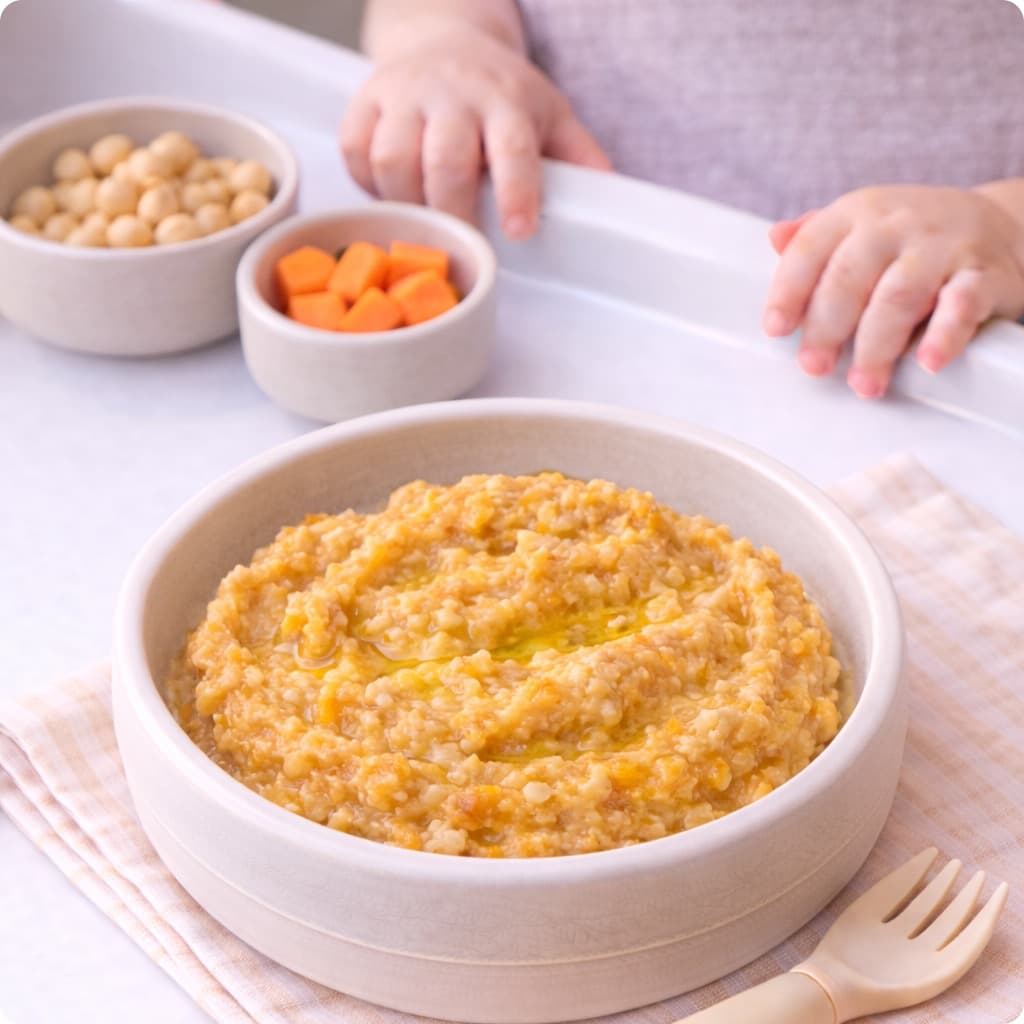
Before 12 months, simply skip juice. Offer breast milk or formula as the main drink, plus small sips of water from an open cup with meals from around 6 months. If your baby seems drawn to fruit flavors, serve mashed or soft-cooked whole fruit instead; it delivers the same taste with fiber and none of the drawbacks. If your baby has already had a taste of juice, there is no need to panic; just return to milk and water as the regular drinks.
After 12 months, if you decide to offer juice, make it 100% fruit juice diluted about half and half with water, keep the total to roughly 4 oz (120 ml) per day, and serve it in an open cup with a meal. Never put juice in a bottle or in a sippy cup your toddler carries around and sips all day, and never offer it at bedtime; constant sipping bathes the teeth in sugar and is a major cause of early tooth decay. On ordinary days, water and plain whole milk should still be the drinks your toddler sees most.
Nutritional benefits for babies
- 💚Whole fruit provides the same vitamins as juice plus fiber, which supports digestion and steadier energy
- 💚Skipping juice before 12 months protects your baby's intake of breast milk or formula, the main source of nutrition in the first year
- 💚For toddlers, 100% fruit juice supplies vitamin C, which supports the immune system and helps the body absorb iron from plant foods
- 💚Some 100% orange juices are fortified with calcium and vitamin D, which support developing bones and teeth
- 💚Diluted juice can add fluid on hot days for toddlers, although plain water does the same job without the sugar
- 💚Limiting juice helps toddlers build a lasting taste for water and plain milk, a habit that protects teeth and supports a healthy weight
Safety considerations
- ✓The AAP recommends no fruit juice at all before 12 months. Juice fills a small stomach with sugary liquid and displaces breast milk or formula without adding any nutrient a baby needs.
- ✓If your baby already had some juice, do not worry. Juice is not dangerous the way honey or choking hazards are; you may notice looser stools after a larger amount, but otherwise just go back to milk and water as the everyday drinks.
- ✓Protect the teeth: never serve juice in a bottle, in a sippy cup carried around all day, or at bedtime. Constant contact between sugar and teeth is a leading cause of early childhood tooth decay, so keep juice, if offered, in an open cup with meals.
- ✓After 12 months, limit 100% fruit juice to about 4 oz (120 ml) per day and dilute it with water. Skip juice drinks, cocktails, punches, and sweetened blends; they contain added sugar, which the WHO advises avoiding before 24 months.
- ✓Choose pasteurized juice only. The FDA warns that unpasteurized or raw juice can carry harmful bacteria such as E. coli and Salmonella, which are especially risky for babies and toddlers.
Better options for babies
Frequently asked questions
Why can't babies have juice before 12 months?
The AAP recommends no juice in the first year because babies need breast milk or formula as their main nutrition, and juice takes up room in a small stomach without offering anything a baby needs. It also delivers the sugar of fruit with none of the fiber. Whole fruit, mashed or soft-cooked, is the better way to introduce fruit flavors.
What happens if my baby already had some juice?
There is no need to panic. A taste of juice is not harmful the way honey or a choking hazard would be; at most a larger amount can cause looser stools for a day or so. Simply return to breast milk, formula, and water as the regular drinks and save fruit for the plate rather than the cup.
Can I give my baby watered-down juice?
Before 12 months it is best to skip juice entirely, even diluted; babies who are thirsty between milk feeds can have small sips of plain water from around 6 months. After 12 months, diluting 100% juice about half and half with water is a good habit if you choose to offer it, because it lowers the sugar per sip.
How much juice can a 1 year old have?
The AAP advises no more than about 4 oz (120 ml) of 100% fruit juice per day for children ages 1 to 3, served in an open cup with meals. None at all is also perfectly fine; juice is optional, and water and plain milk cover a toddler's drink needs.
Is 100% fruit juice healthy for toddlers?
It is less unhealthy than sweetened juice drinks, but it is still a concentrated source of sugar without the fiber of whole fruit. Small amounts within the AAP limit are fine, and 100% juice does provide vitamin C. Whole fruit remains the better choice at every age.
Can babies have juice in a bottle or sippy cup?
No. Juice in a bottle or in a sippy cup that a child carries and sips all day keeps sugar in constant contact with the teeth and is a major cause of early tooth decay. If juice is offered at all after 12 months, it belongs in an open cup at mealtimes.
Does juice help with baby constipation?
Pediatricians do sometimes suggest a small amount of prune, pear, or apple juice for constipation, because their natural sugars draw water into the stool. This is a short-term remedy to use only with your pediatrician's guidance, not a reason to make juice a regular drink. Ask your doctor before trying it.
Get your baby's personalized feeding plan
A daily feeding schedule, 350+ age-matched recipes, allergen tracking and cutting guides - all tailored to your baby's age in the Nibli app.
verifiedSources & References
This guide is informed by current guidelines from leading health organizations: