Salmon for Baby
Last updated October 2026
Salmon is a lower-mercury oily fish that can be introduced from around six months once a baby is ready for solids. Thorough cooking and removing every bone are as important as selecting a suitable fish.
Quick answer
After developmental readiness for solids at about six months, offer a small amount of thoroughly cooked, deboned salmon. First fish-allergen introductions should be recognizable so a suspected reaction is easier to identify.

How to cook and serve salmon
Keep raw fish chilled and separate from ready-to-eat food. Bake, poach or steam salmon thoroughly according to local food-safety rules, without leaving hard browned edges.
Inspect the fillet carefully for bones, including fine pin bones, and remove skin and any tough sections. Flake cooked fish finely, checking again as you transfer it.
For an early spoon-fed serving, stir moist flakes into a familiar vegetable mash or other soft dish. A dry intact chunk or compact firm fish cake can be harder to manage.
As grasp and chewing improve, offer small tender flakes in low-salt family meals. Read tinned salmon labels and inspect bones rather than assuming soft canned bones can always remain.
When can babies try salmon?
FDA/EPA lists salmon among its lower-mercury Best Choices. This classification addresses mercury, not fish allergy, foodborne pathogens, bones or safe portion shapes.
Cold-smoked, raw, lightly cooked and very salty cured salmon have separate safety concerns and are not appropriate substitutions for a first cooked serving.
Start with moist, well-cooked flakes mixed into a familiar soft meal. Fish is a potential allergen: cooking does not remove the proteins responsible for an allergic reaction.
Salmon contributes protein and omega-3 fats such as DHA, but an individual meal does not guarantee improved brain development. Serving guidance differs by country and age; FDA portions for ages one to three should not be presented as infant doses.
See our first foods for baby guide for more ideas.
Fish allergy and preparation checks
Fish is a common allergen. Offer a small first amount, watch for symptoms and follow individual clinical advice for known allergy.
Cook salmon thoroughly and avoid raw, lightly cooked or cold-smoked versions as a first infant food.
Remove all bones and tough skin; boneless packaging is not a substitute for checking the fish.
Keep flakes soft and moist, with no chewy crusts or dry chunks.
Do not treat FDA fish portions for children ages one to three as a prescribed six-month-old serving.
Follow local fish advice and supervise upright eating at all times.
Salmon recipes for babies
View all recipes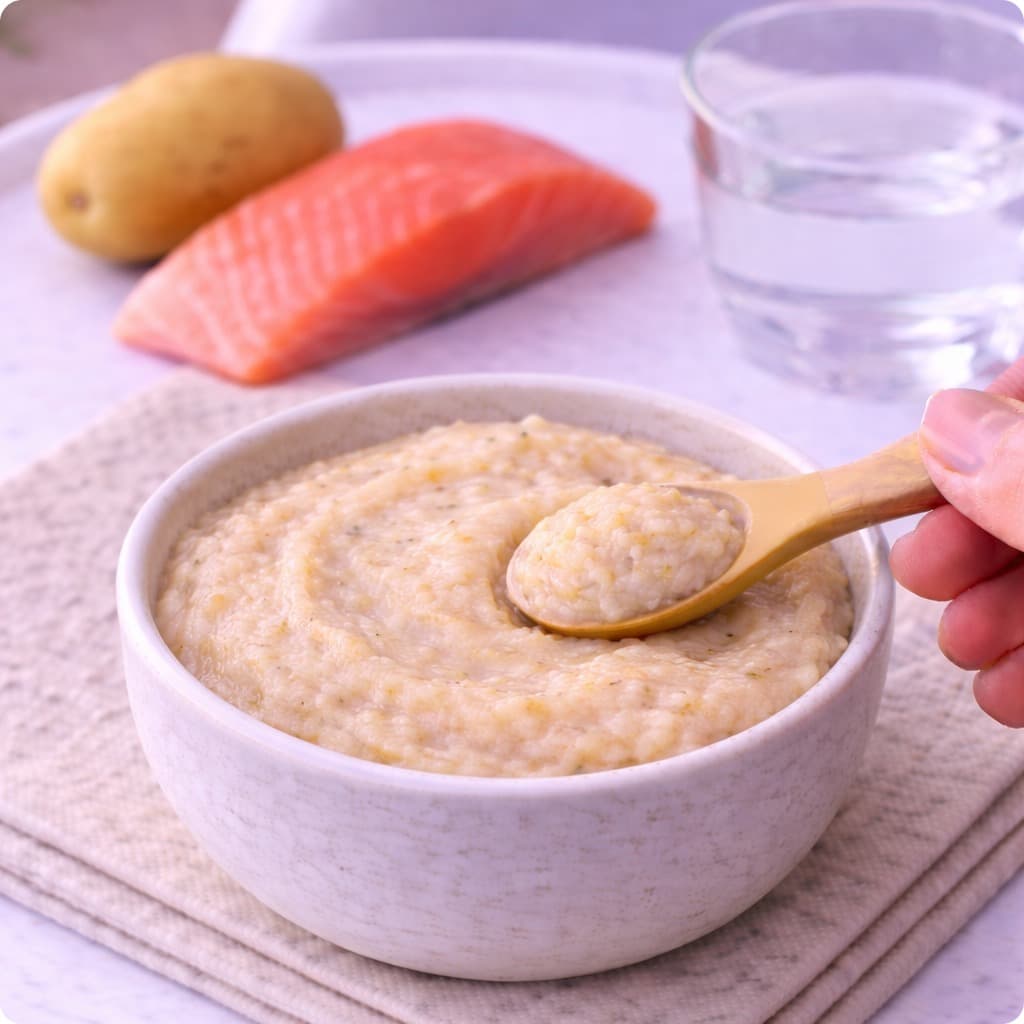
Salmon & Potato Purée
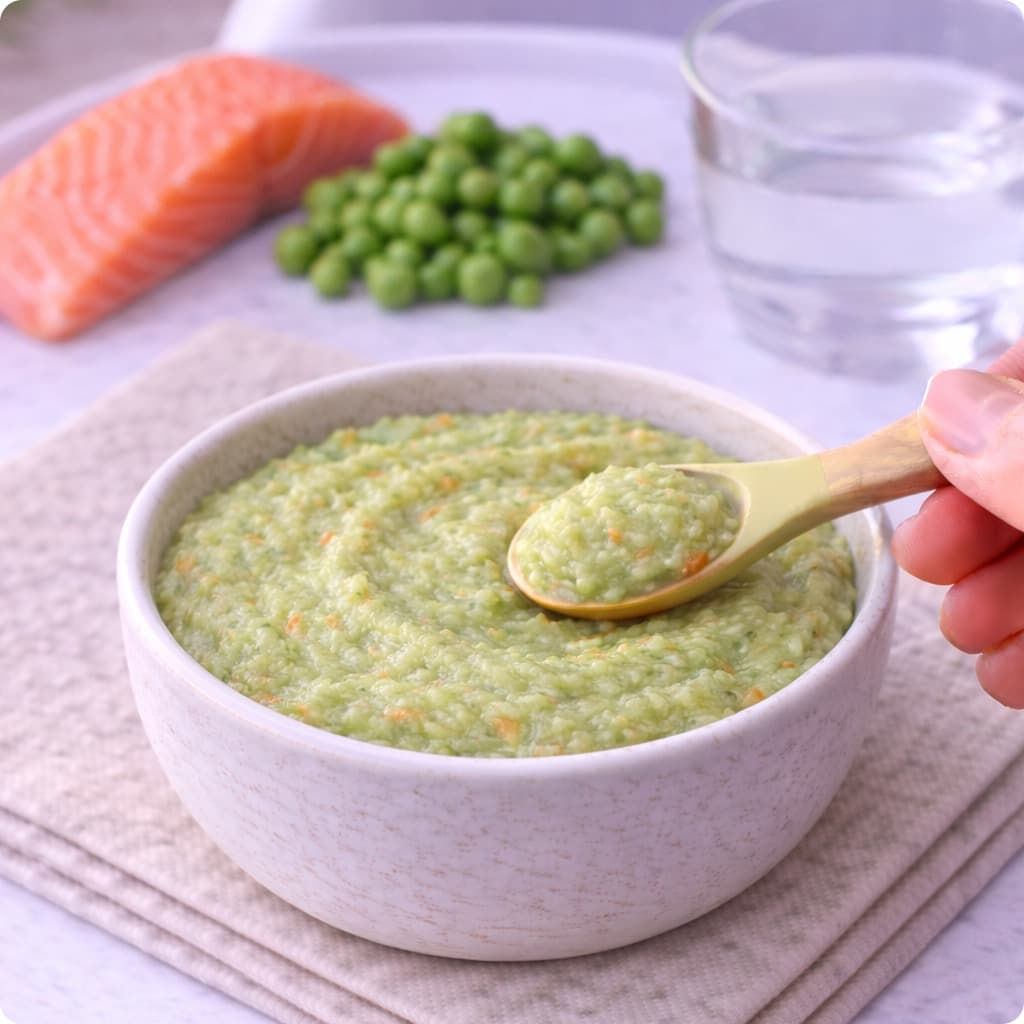
Salmon & Pea Mash
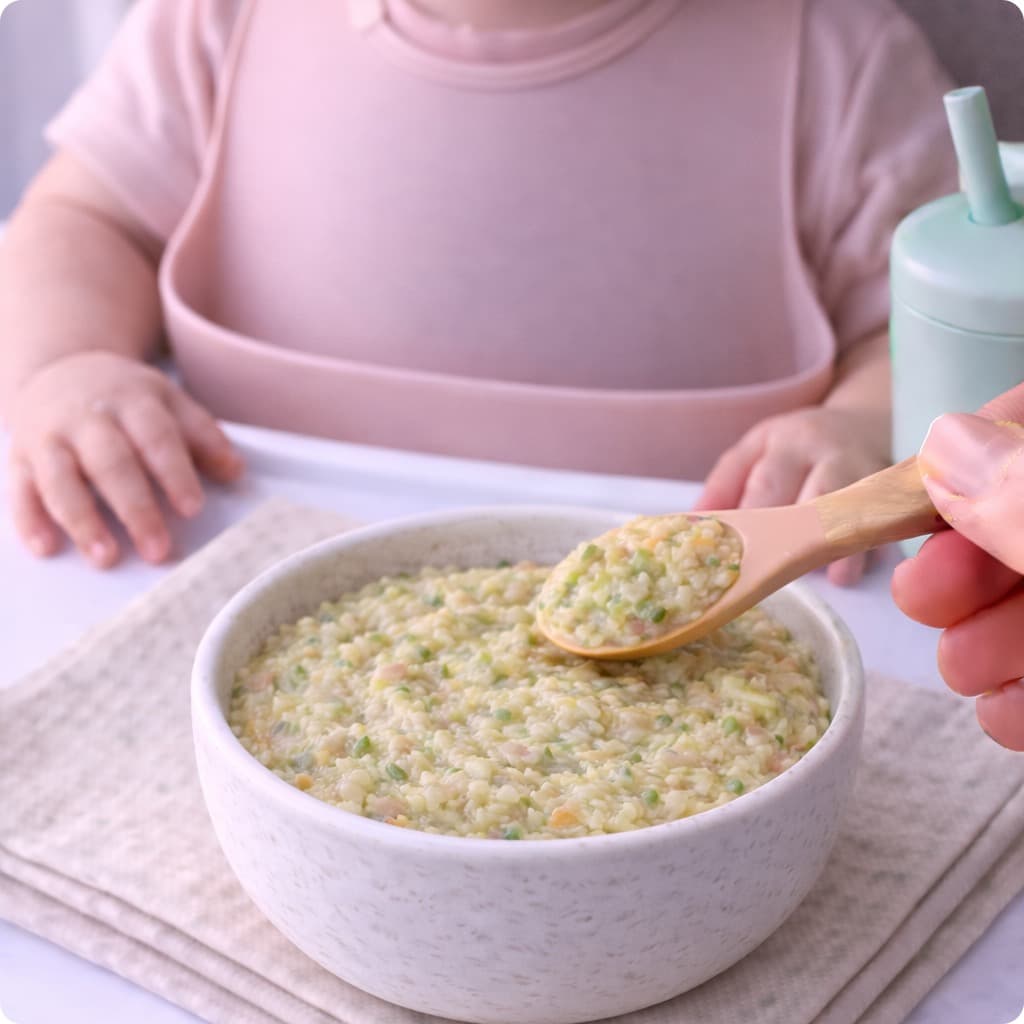
Salmon, Potato & Peas
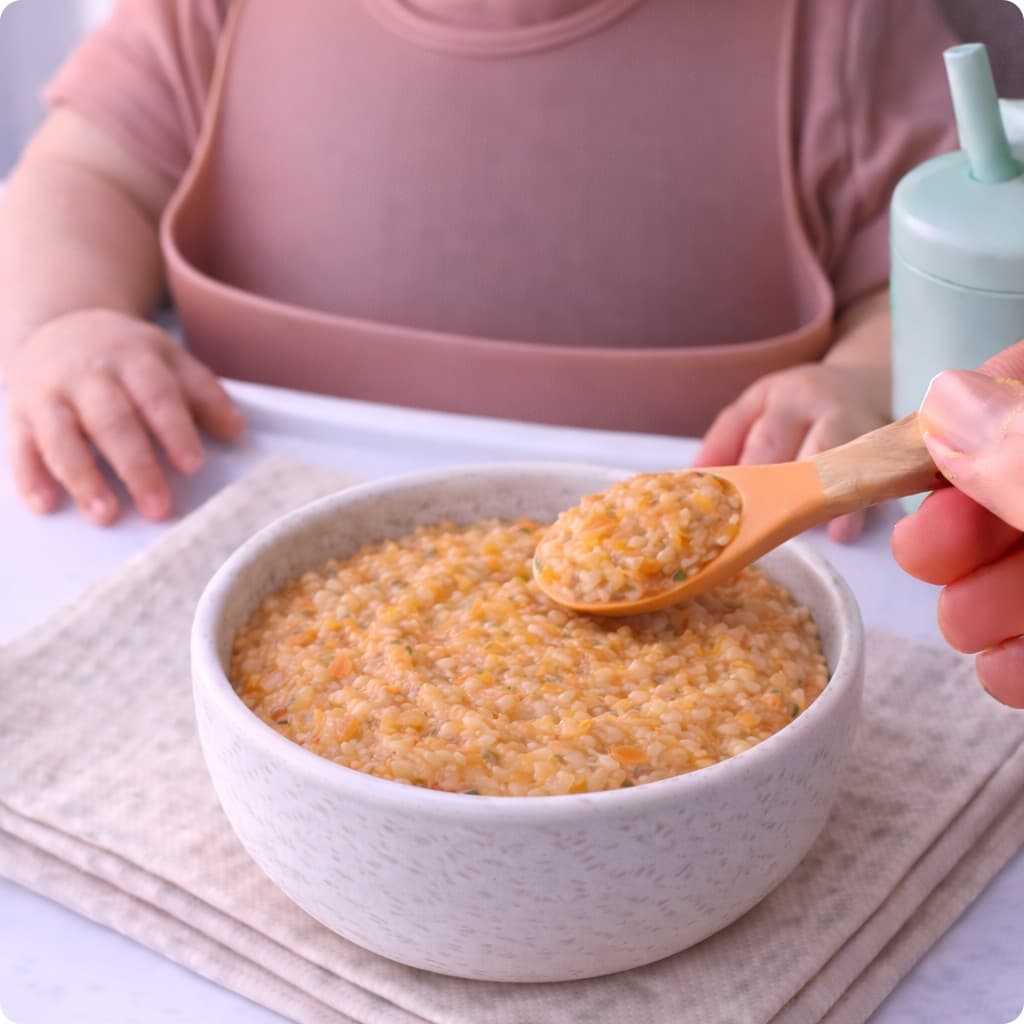
Salmon, Carrot & Rice
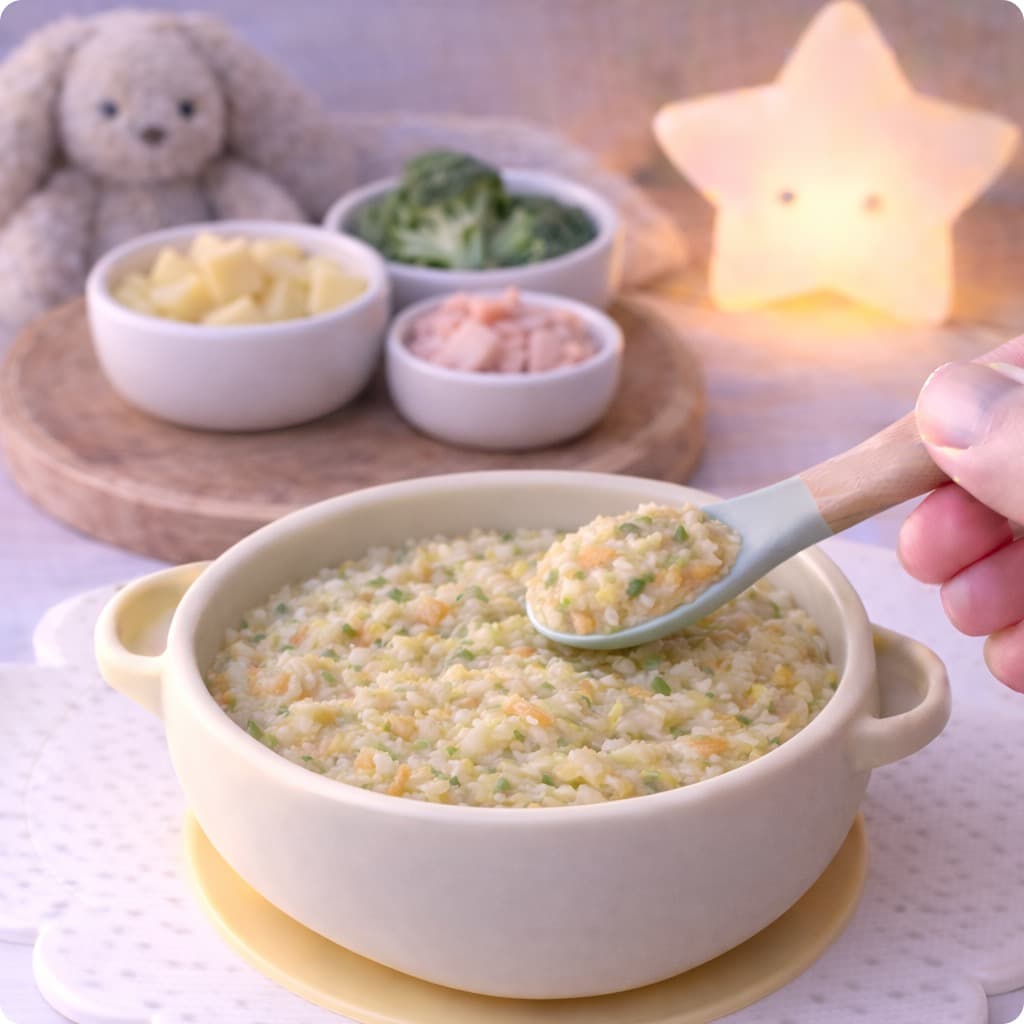
Salmon, Broccoli & Potato Bowl
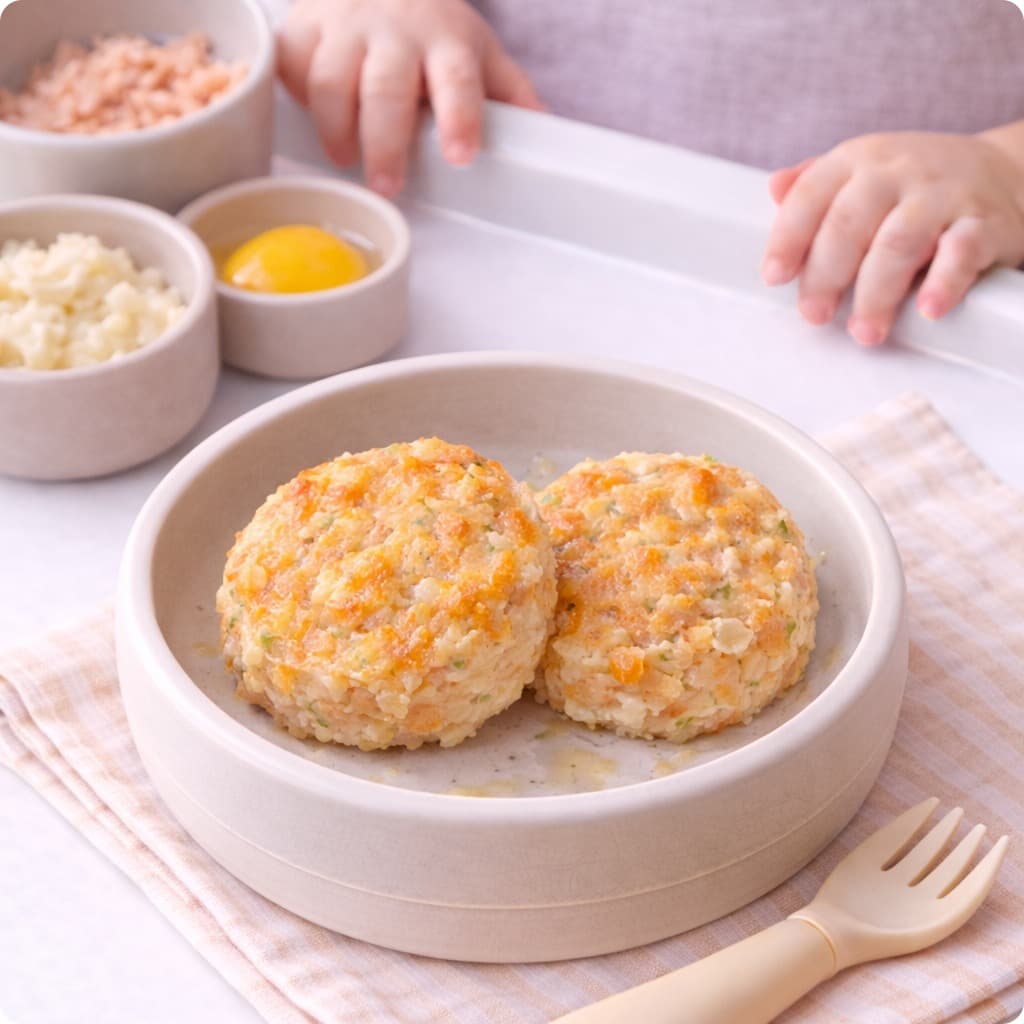
Salmon BLW Cakes (Soft Flakes)
See all salmon recipes for babies. Explore baby breakfast recipes, baby-led weaning recipes and first foods for baby for more ideas.
Related Guides
Frequently Asked Questions
Is Salmon a common allergen?
Some babies may be allergic to Salmon. Introduce Salmon carefully when babies start solids and watch for reactions.
What nutrients does Salmon provide for babies?
Salmon provides nutrients like iron, protein that support babies' growth and development.
Sources & References
This guide is informed by current guidelines from leading health organizations:
- ●NHS - Your Baby's First Solid Foods NHS
- ●NHS - Food Allergies in Babies NHS
- ●NHS - Foods to Avoid Giving Babies NHS
- ●CDC — Choking Hazards (reviewed March 2026) CDC
- ●FDA/EPA - Fish choices for children and families FDA
