What do you want to know?
Deep dive
Rice →Rice basics for parents: when to introduce, safe textures and cooking tips, iron and fortification notes, portion guidance and simple baby rice cereal and soft-grain recipes.
Nutrition highlights
- Carbohydrates - a gentle source of energy.
- Manganese and magnesium - small amounts of essential minerals.
- Brown rice adds extra fibre for digestive health.
- Gluten-free and easy to digest for most babies.
Safety quick tips
- Always cook rice thoroughly until very soft to reduce choking risk.
- Rinse rice well before cooking and use plenty of water to lower arsenic content.
- Rotate rice with other grains (oats, quinoa, barley) to keep arsenic exposure low.
Common questions
Can babies eat Rice?
Yes. Babies can eat Rice starting around 6 months when they begin solid foods. It should be served in a safe texture and size for babies.
When can babies eat Rice?
Babies can eat Rice from around 6 months when starting solids. Babies can start eating cooked rice from around 6 months, alongside other first foods. Rice cereal is often used as a first food, but soft-cooked rice grains offer a more natural texture suited to baby-led weaning. Avoid rice drinks (rice milk) as a drink for children under 5 due to arsenic levels.
Is Rice a choking hazard for babies?
Rice can be a choking hazard if served in unsafe shapes. Always cook rice thoroughly until very soft to reduce choking risk. Rinse rice well before cooking and use plenty of water to lower arsenic content. Rotate rice with other grains (oats, quinoa, barley) to keep arsenic exposure low. Avoid rice drinks as a milk substitute for children under 5. Serve freshly cooked rice; cool and refrigerate leftovers quickly and reheat until piping hot. Observe your baby for any reaction, though rice is rarely allergenic.
Is Rice a common allergen?
Some babies may be allergic to Rice. Introduce Rice carefully when babies start solids and watch for reactions.
How should Rice be served to babies?
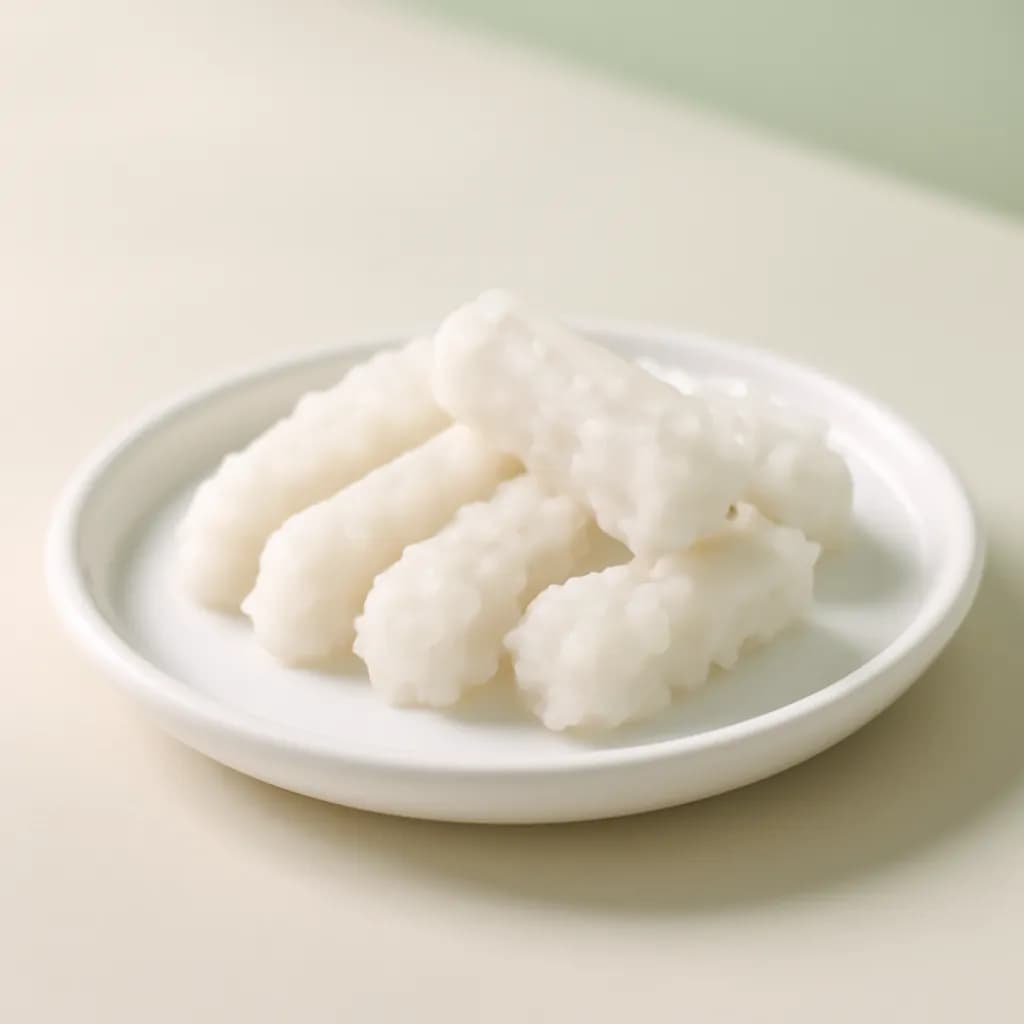
6–9 months: Cook rice until very soft and slightly sticky so it's easy to gum; serve mixed into a smooth vegetable or lentil purée. 6–9 months (BLW): Press soft rice into small patties or fold into fritters that hold together for self-feeding. 9–12 months: Soft rice with mashed vegetables, dal, or finely shredded meat as the pincer grasp develops. 12+ months: Rice in family meals - risotto, rice bowls, stir-fries (low-salt).
What nutrients does Rice provide for babies?
Rice provides nutrients like fibre, iron, carbohydrates that support babies' growth and development.
How long can I store Rice for babies?
Cook Rice to a safe temperature and store it in the refrigerator for up to 2 days, or freeze in single-serving portions for up to 1 month to preserve nutrients.
Should I buy organic Rice for my baby?
Organic Rice isn't strictly necessary for babies, but some families prefer to reduce pesticide exposure. Wash conventional produce thoroughly. Variety and freshness matter most.