सामग्री पर जाएं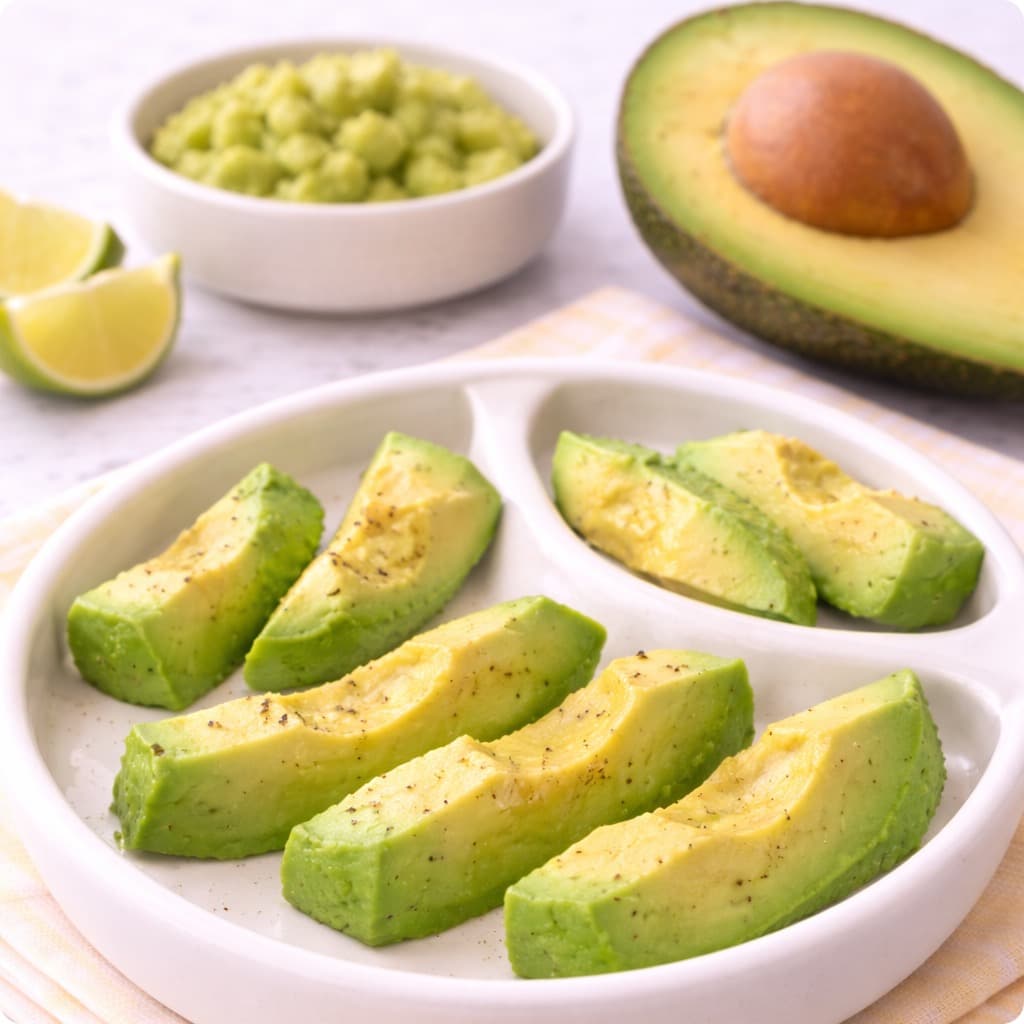
स्वस्थ वसा Baby Recipes
Healthy fats support brain development and growth in babies.
स्वस्थ वसा मस्तिष्क के विकास, वृद्धि का समर्थन करती है, और शिशुओं को आवश्यक विटामिन अवशोषित करने में मदद करती है।
24 व्यंजन
एवोकाडो के टुकड़े
child_care6 महीने+schedule2 मिनट
स्वस्थ वसाBrain Development
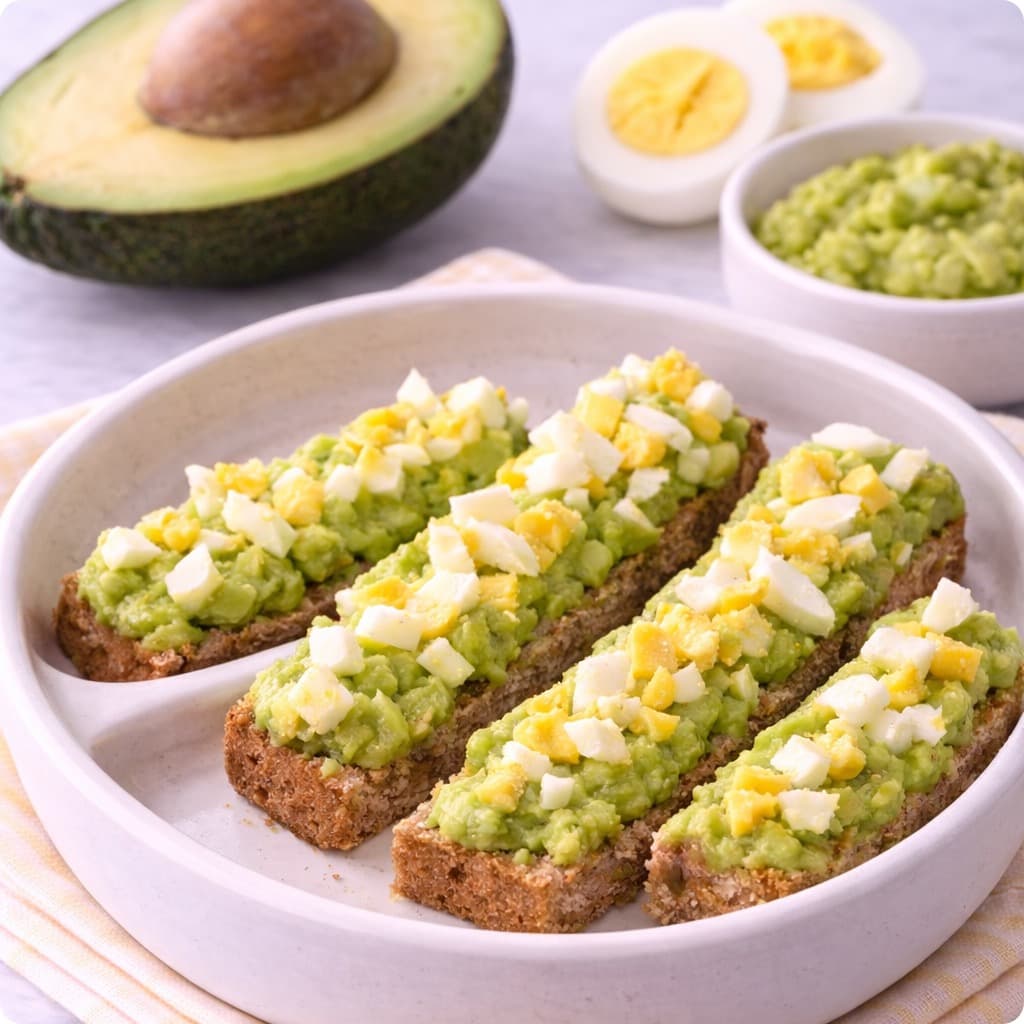
अंडा एवोकाडो टोस्ट फिंगर्स
child_care6 महीने+schedule8 मिनट
आयरन युक्तस्वस्थ वसा
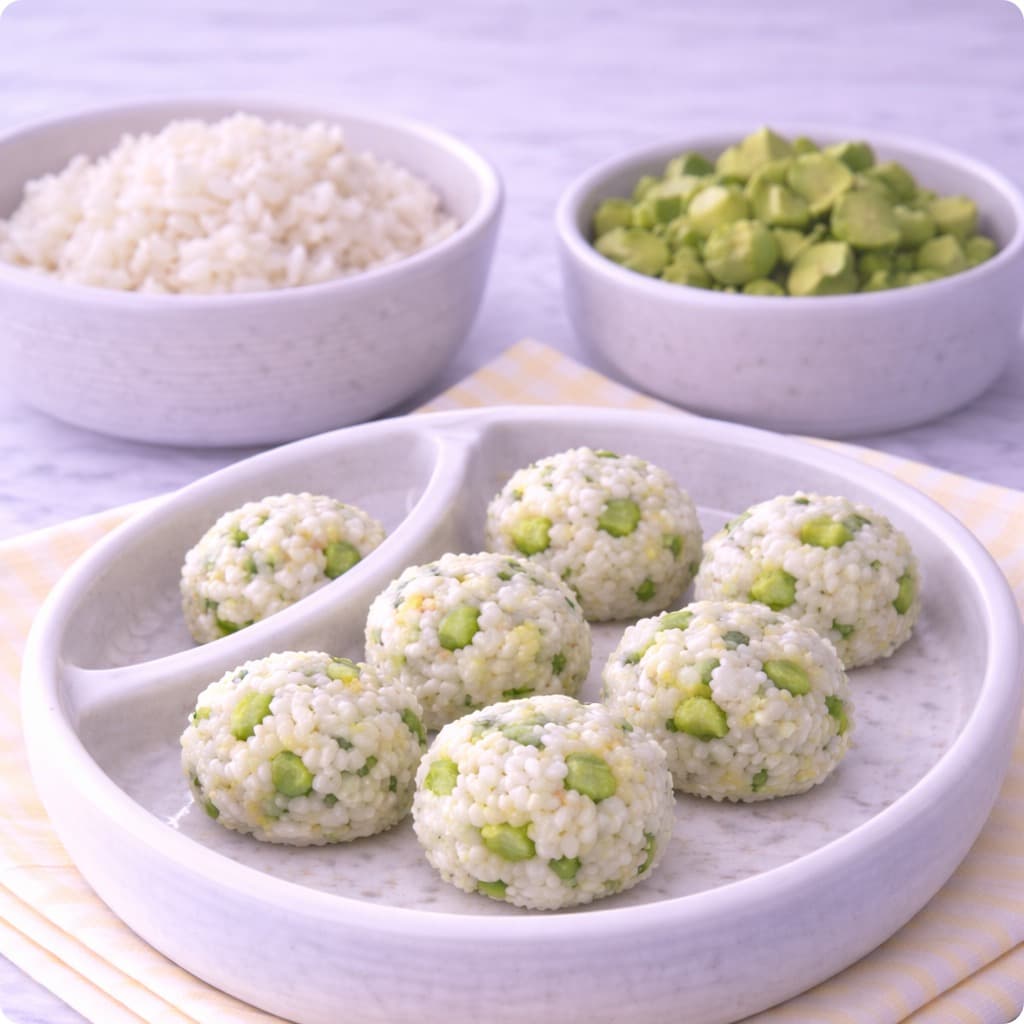
शिशु सुशी चावल के गोले
child_care9 महीने+schedule10 मिनट
ऊर्जास्वस्थ वसा
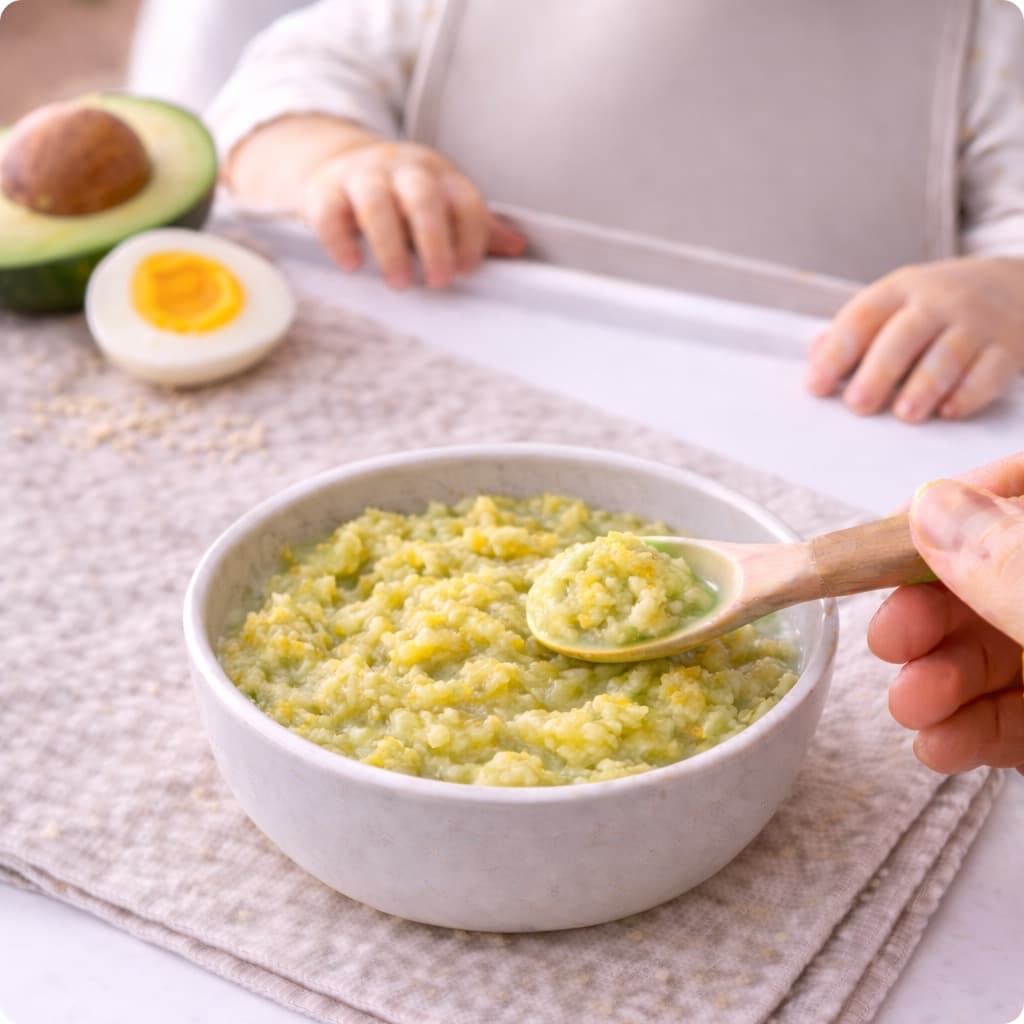
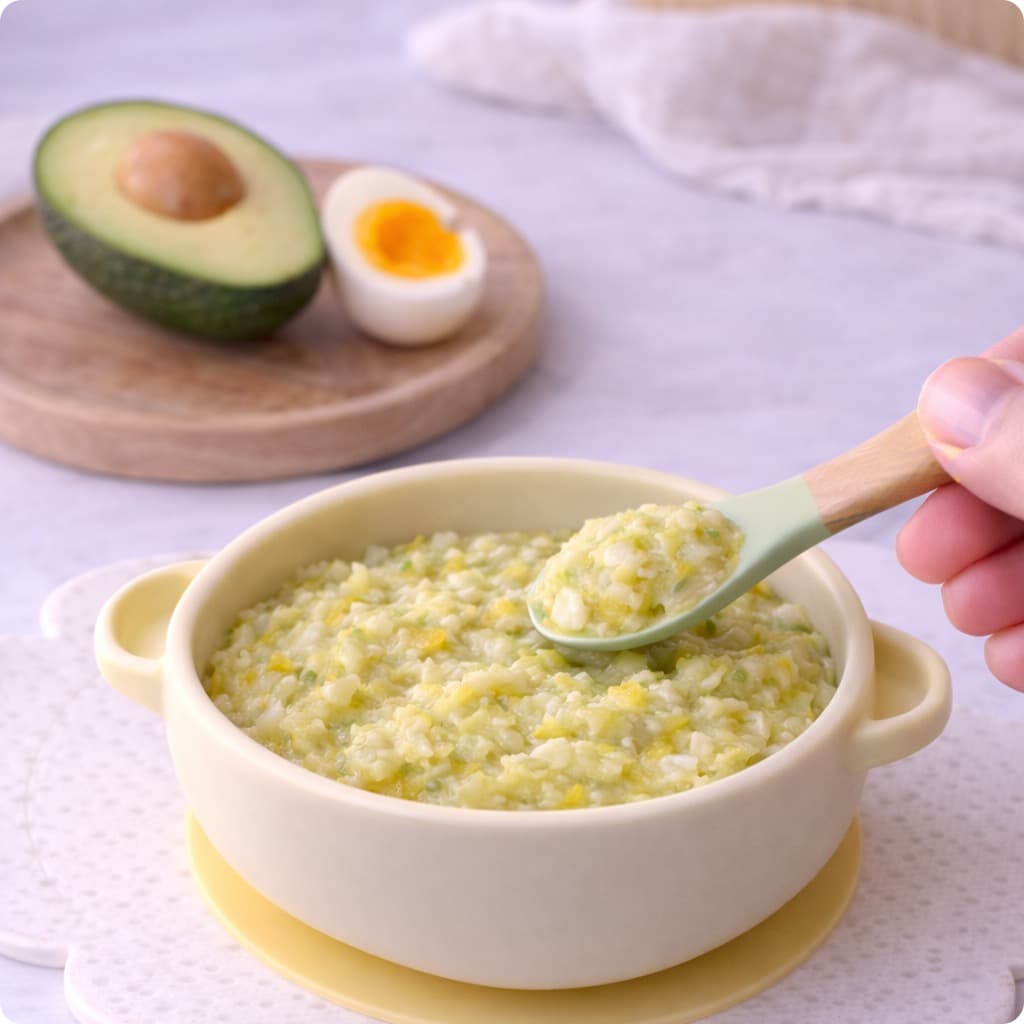
अंडा और एवोकाडो मसल
child_care6 महीने+schedule5 मिनट
स्वस्थ वसाआयरन युक्त
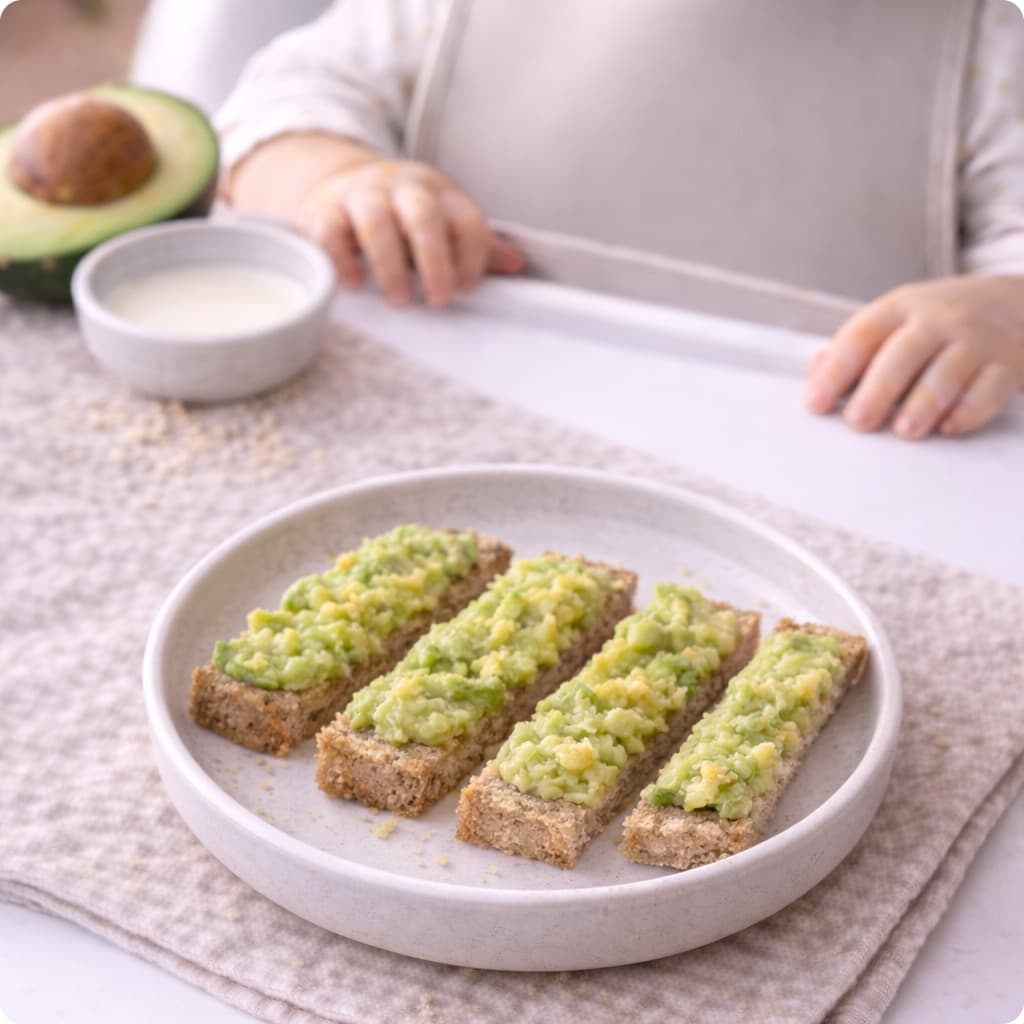
एवोकाडो टोस्ट फिंगर्स (BLW)
child_care6 महीने+schedule3 मिनट
स्वस्थ वसाआयरन युक्त
अंडा और एवोकाडो मसल
child_care6 महीने+schedule5 मिनट
आयरन युक्तस्वस्थ वसा
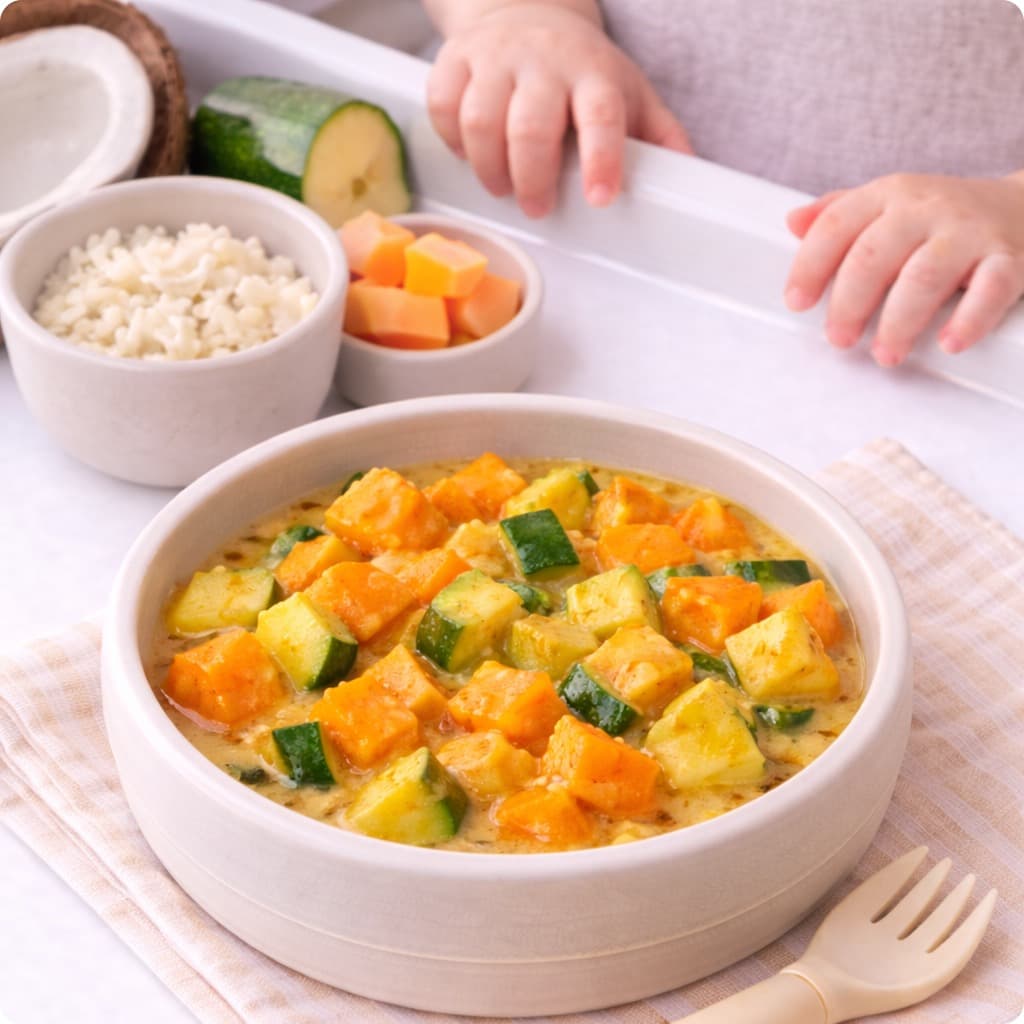
मुलायम नारियल मीठा आलू बेबी करी
child_care8 12 monthsschedule18 minutes
स्वस्थ वसाVitamin A
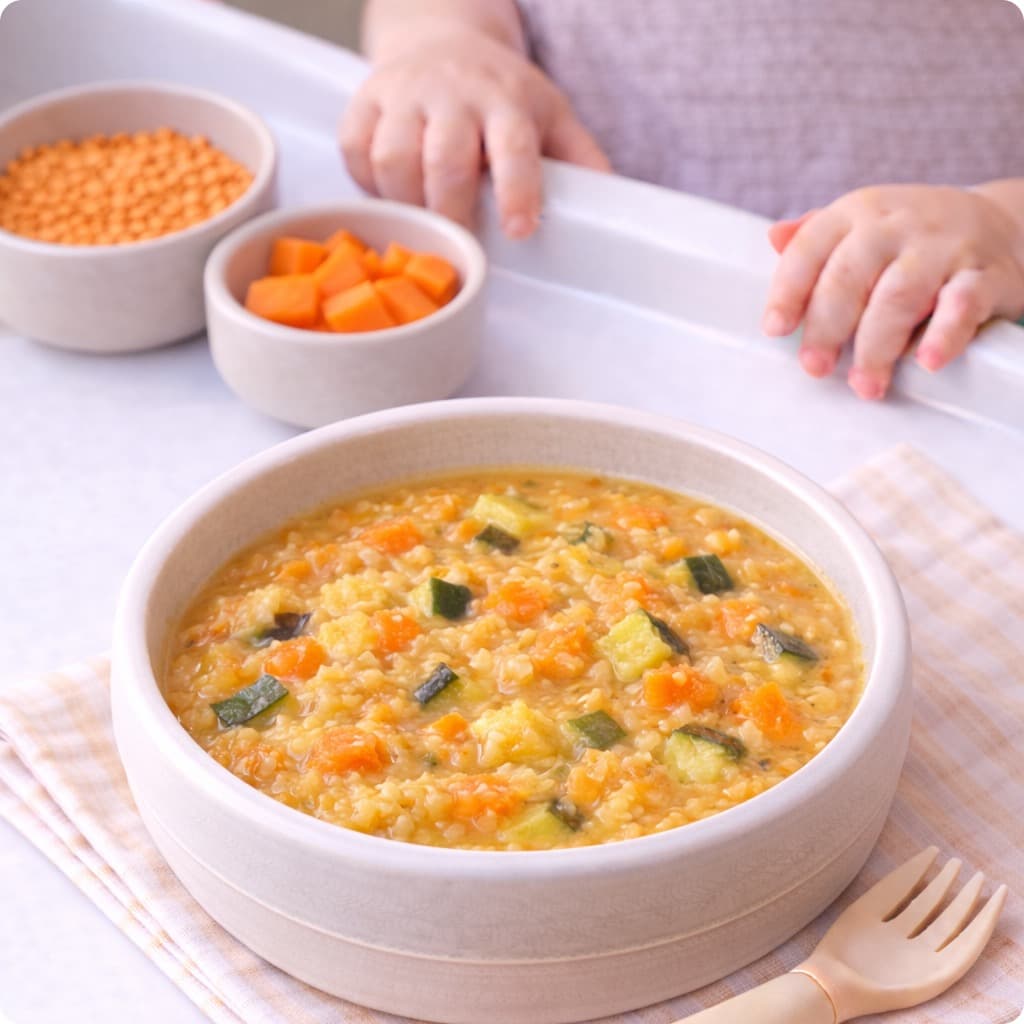
मुलायम नारियल दाल का सूप
child_care8 12 monthsschedule18 minutes
आयरन युक्तस्वस्थ वसा
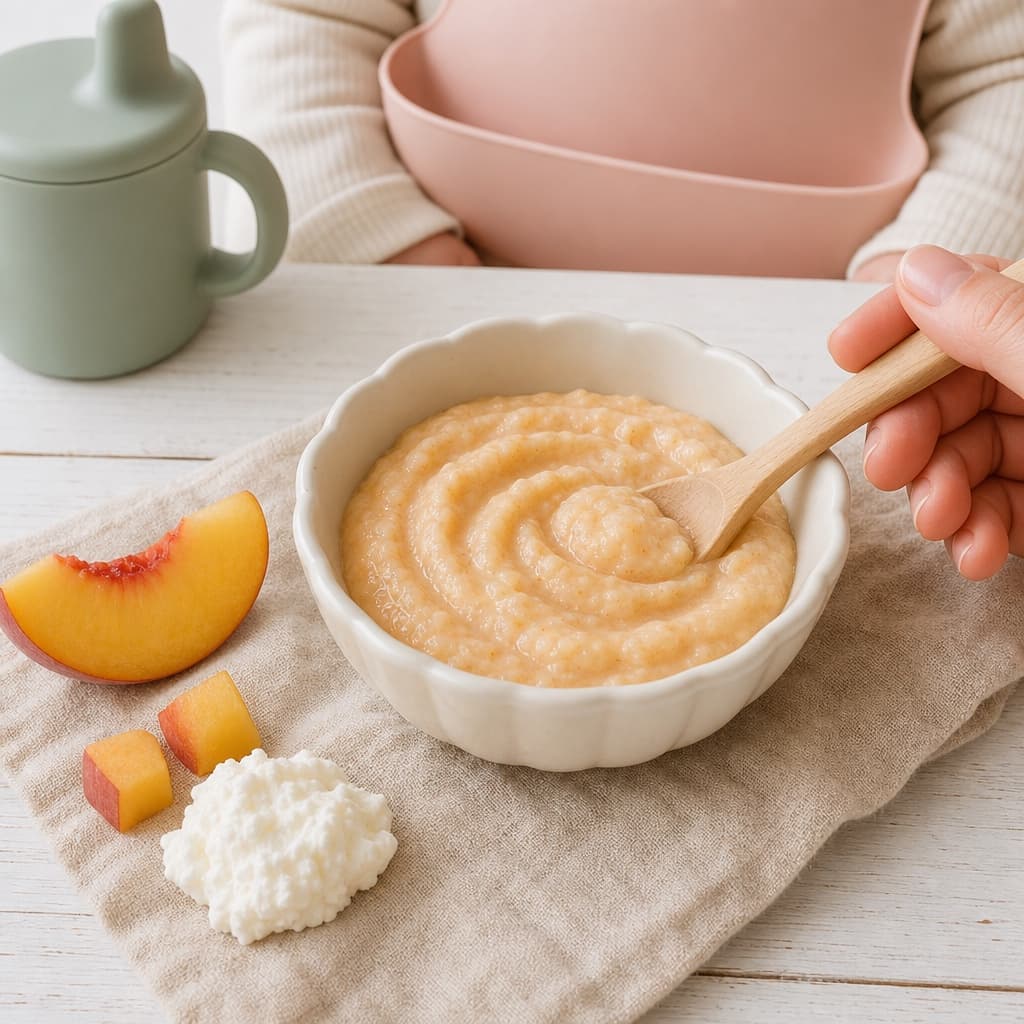
पीच रिकोटा नाश्ता क्रीम
child_care6 महीने+schedule10 मिनट
ऊर्जाCalcium
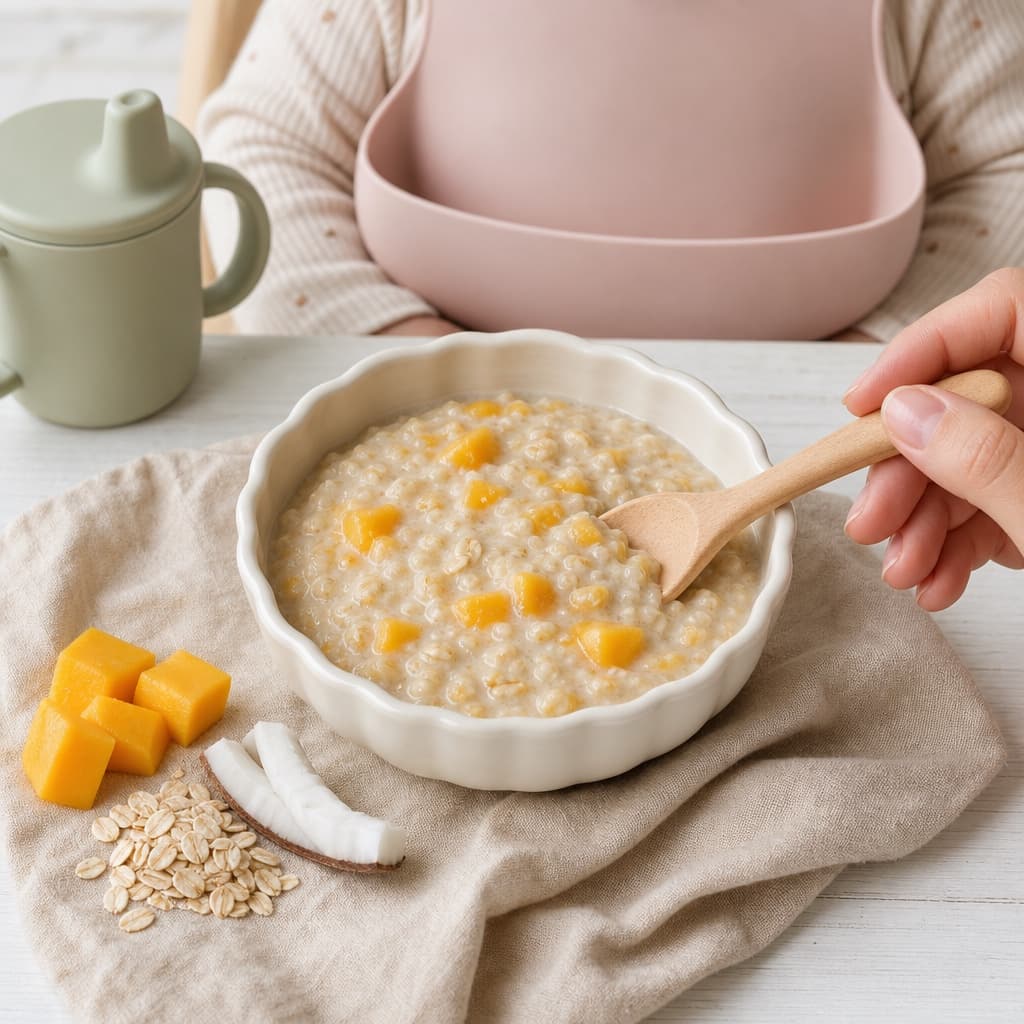
आम नारियल ओटमील
child_care6 महीने+schedule10 मिनट
ऊर्जाFiber
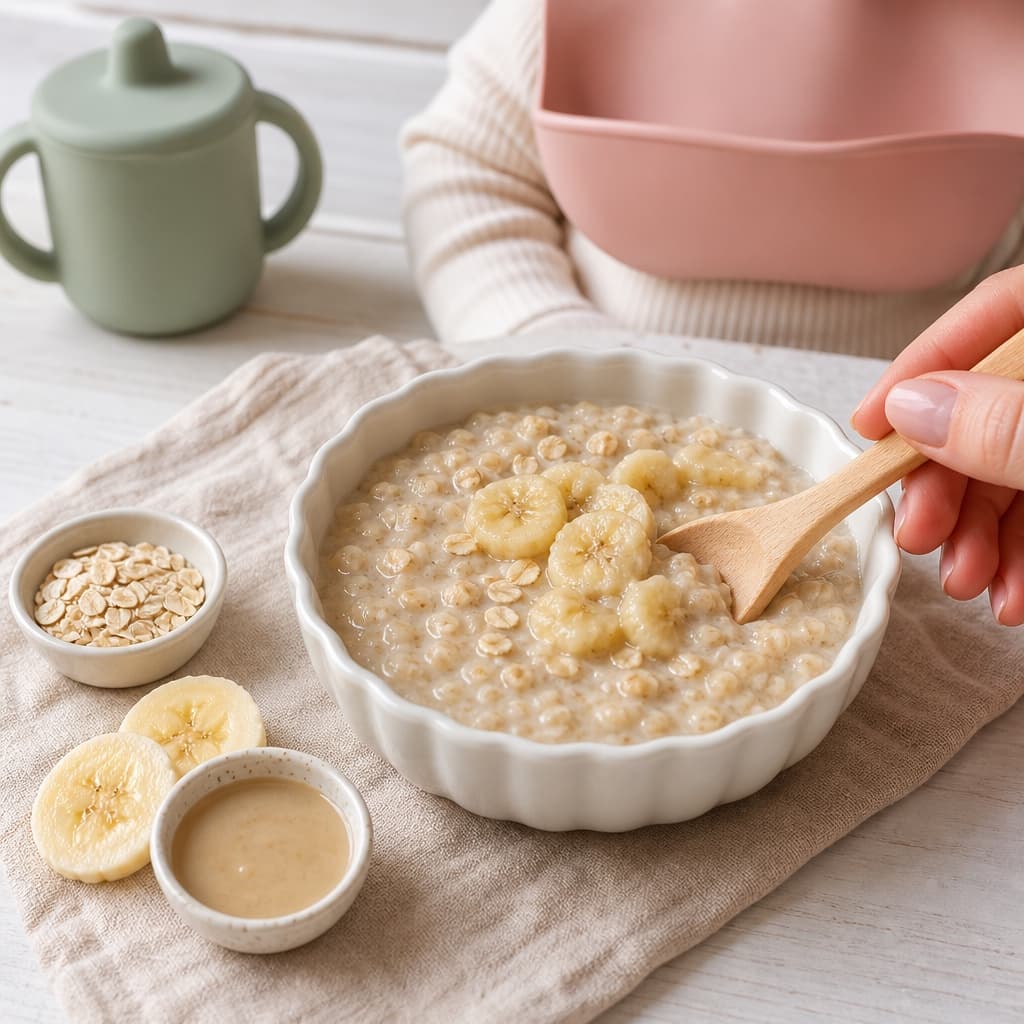
केला ताहिनी ओट बाउल
child_care6 महीने+schedule10 मिनट
ऊर्जास्वस्थ वसा
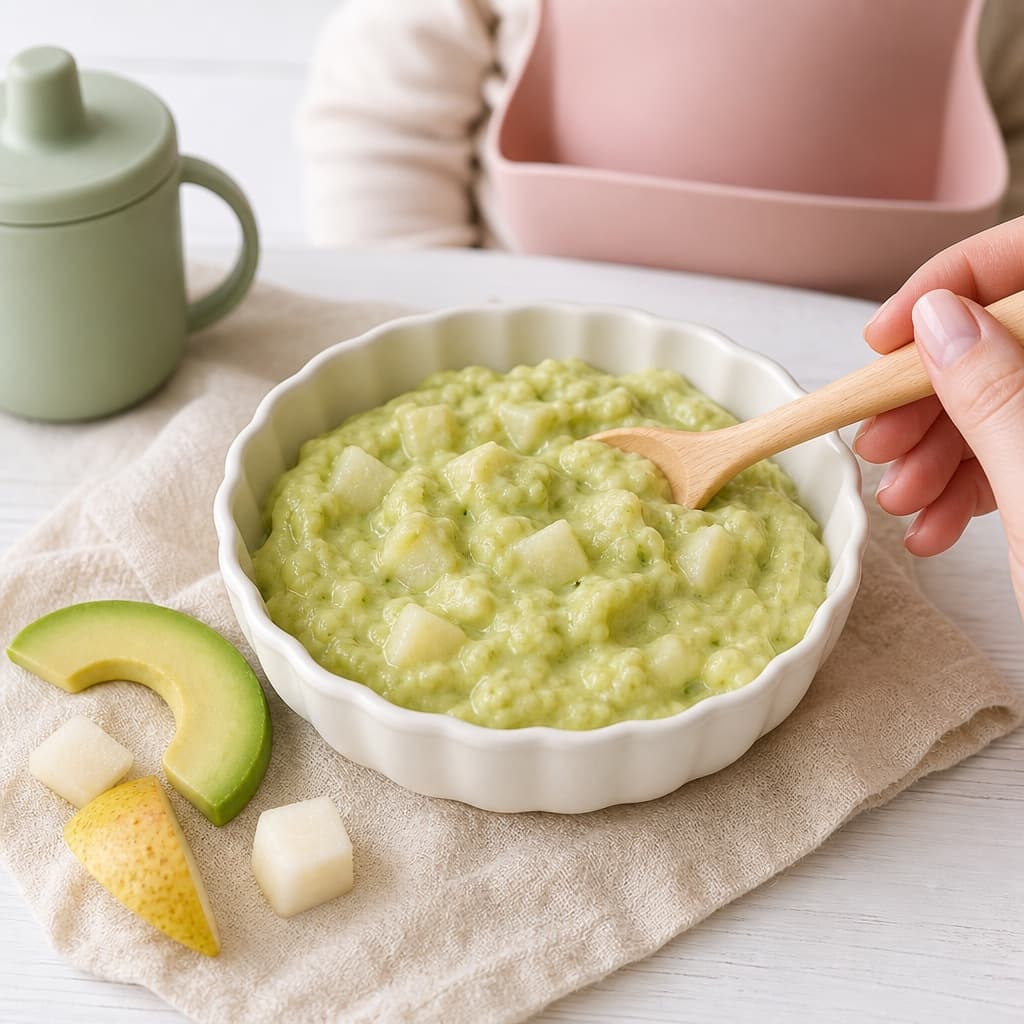
एवोकाडो नाशपाती का मिक्स
child_care6 महीने+schedule10 मिनट
स्वस्थ वसाऊर्जा
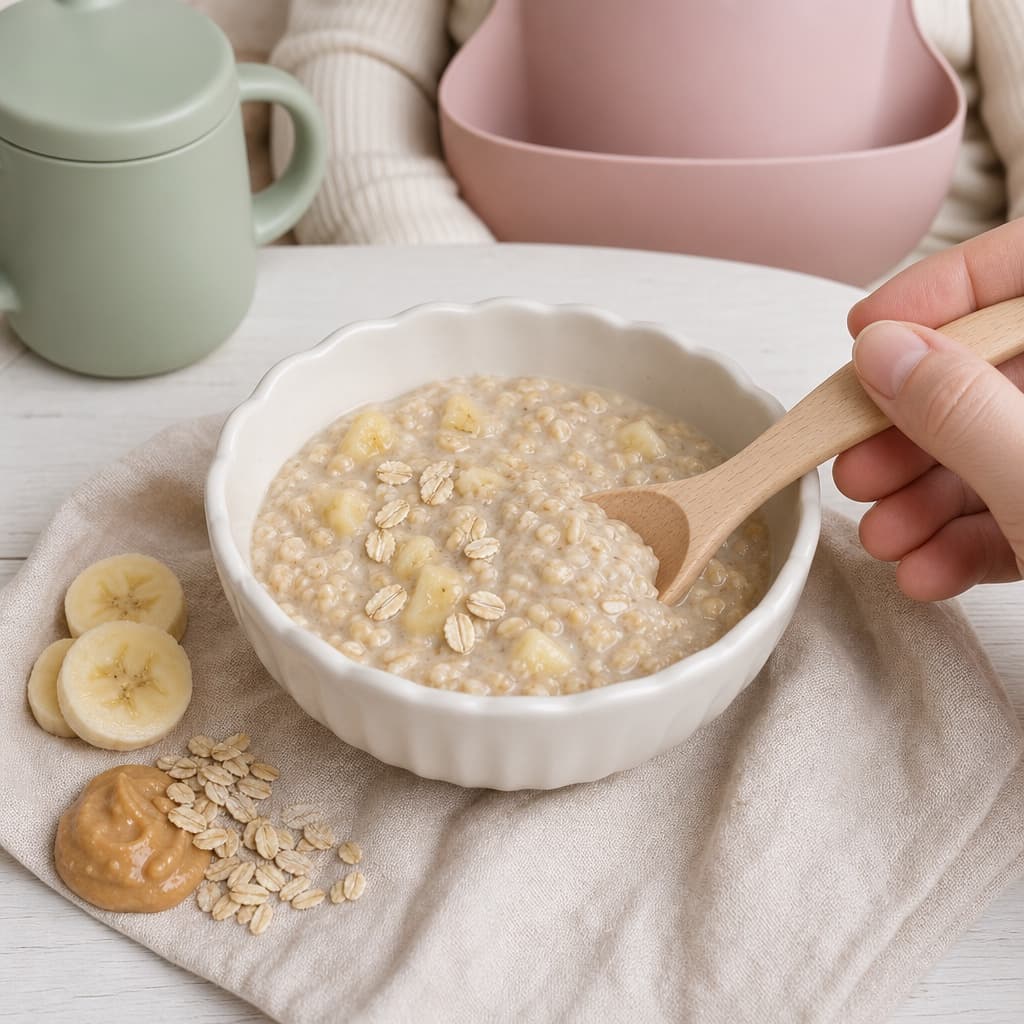
पतला मूंगफली केला ओट्स का दलिया
child_care6 महीने+schedule10 मिनट
ऊर्जास्वस्थ वसा
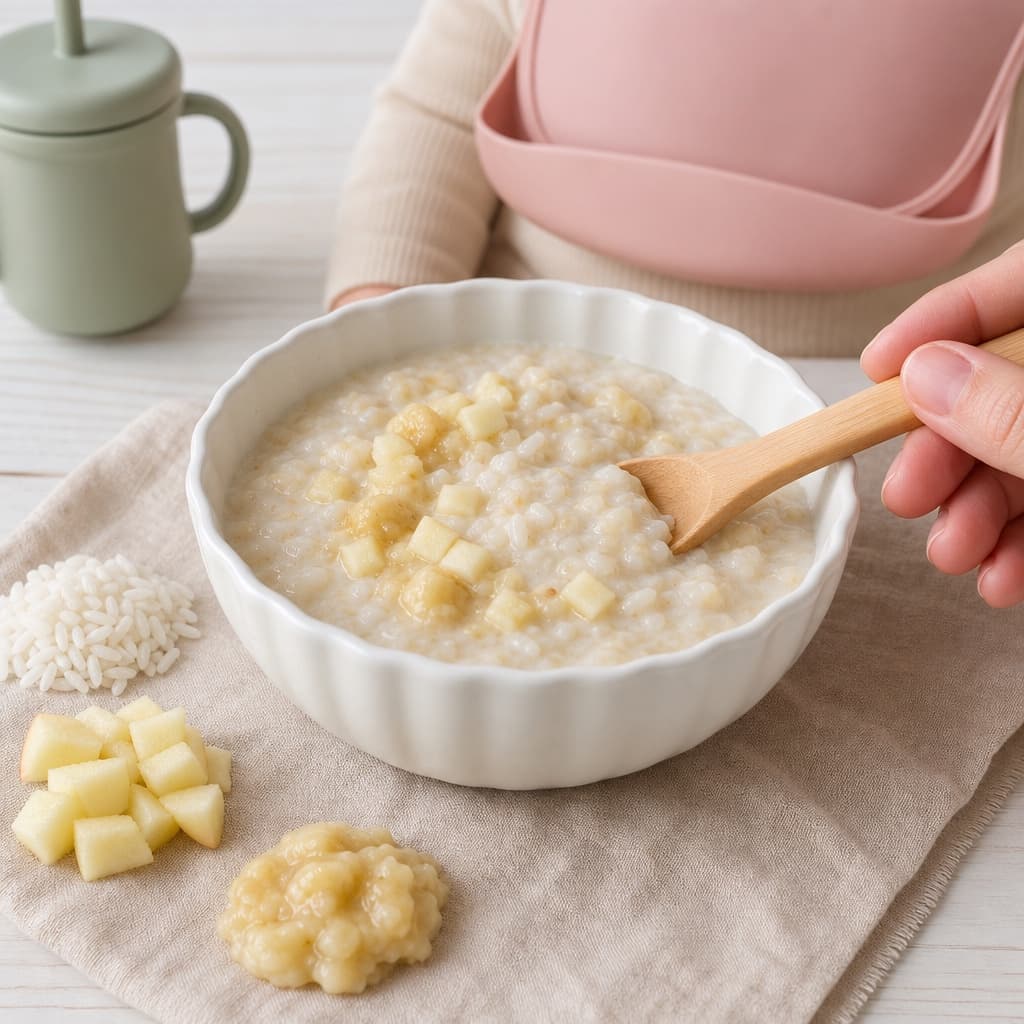
नारियल चावल नाश्ता पुडिंग
child_care7 महीने+schedule20 मिनट
ऊर्जास्वस्थ वसा
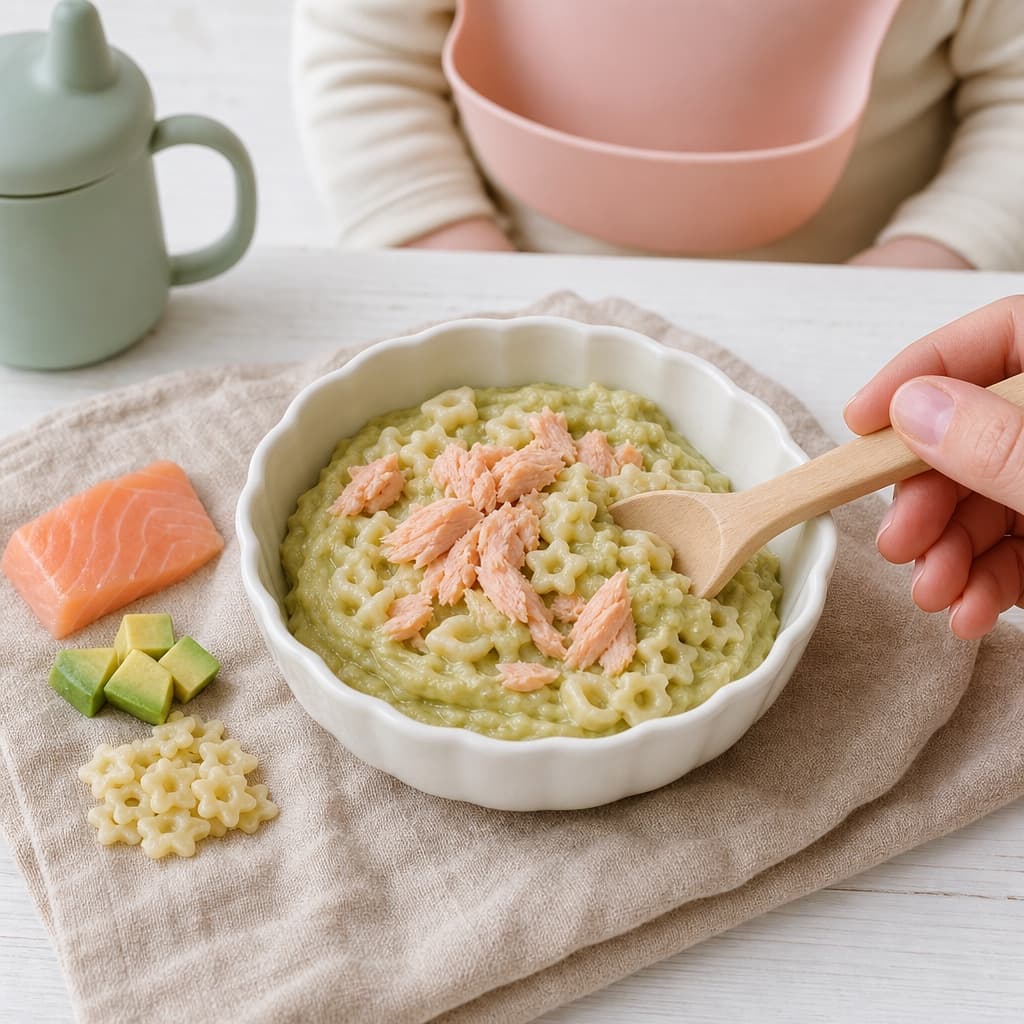
सैल्मन एवोकाडो पास्ता बाउल
child_care9 महीने+schedule15 मिनट
उच्च प्रोटीनओमेगा-3
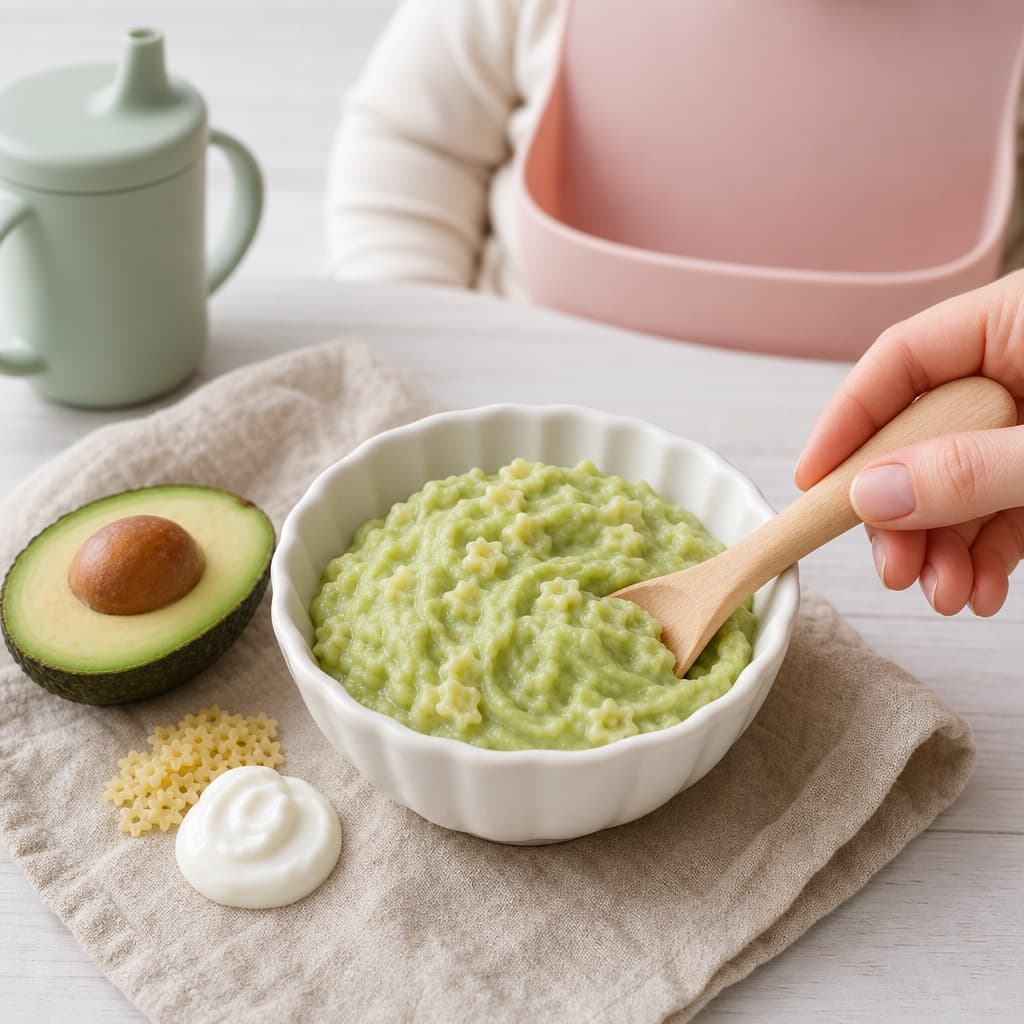
क्रीमी एवोकाडो पास्ता
child_care9 महीने+schedule15 मिनट
स्वस्थ वसाऊर्जा
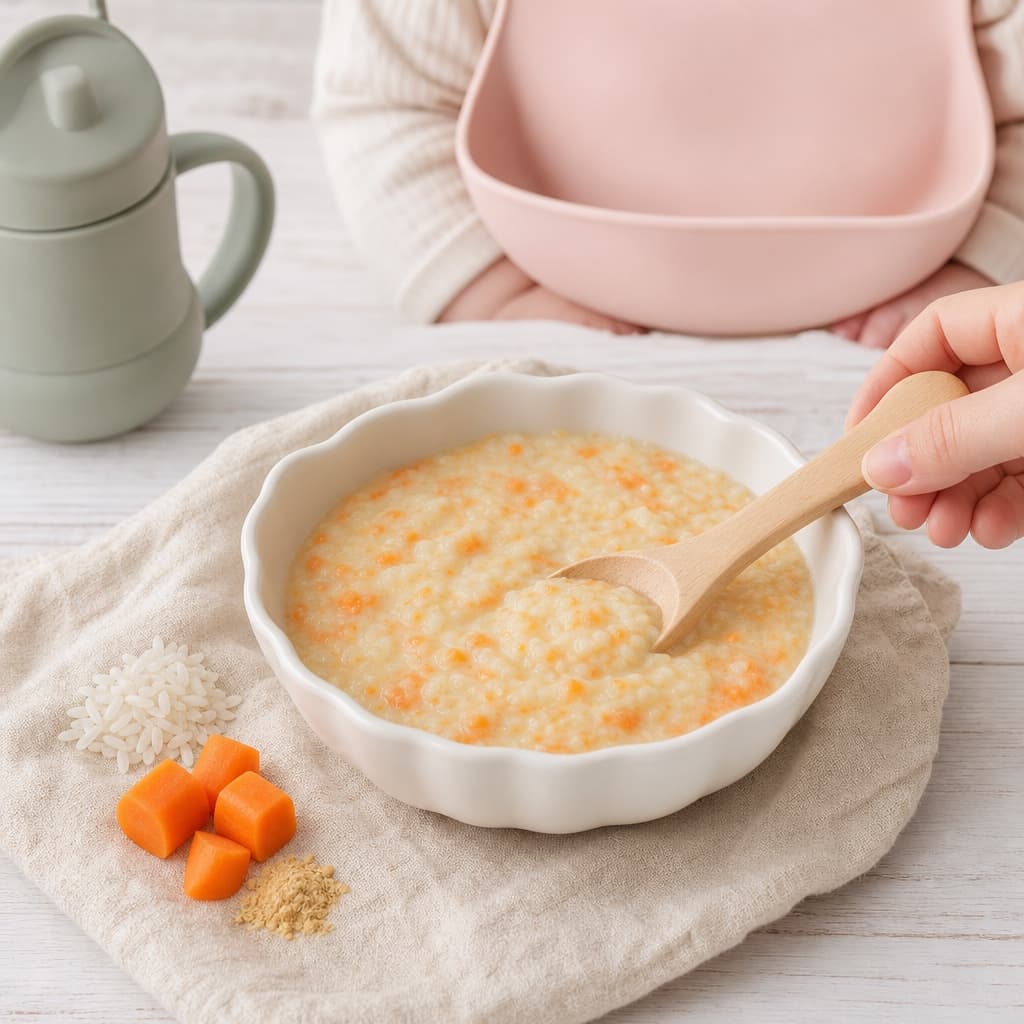
नारियल गाजर चावल का सूप
child_care7 महीने+schedule20 मिनट
Vitamin Aस्वस्थ वसा
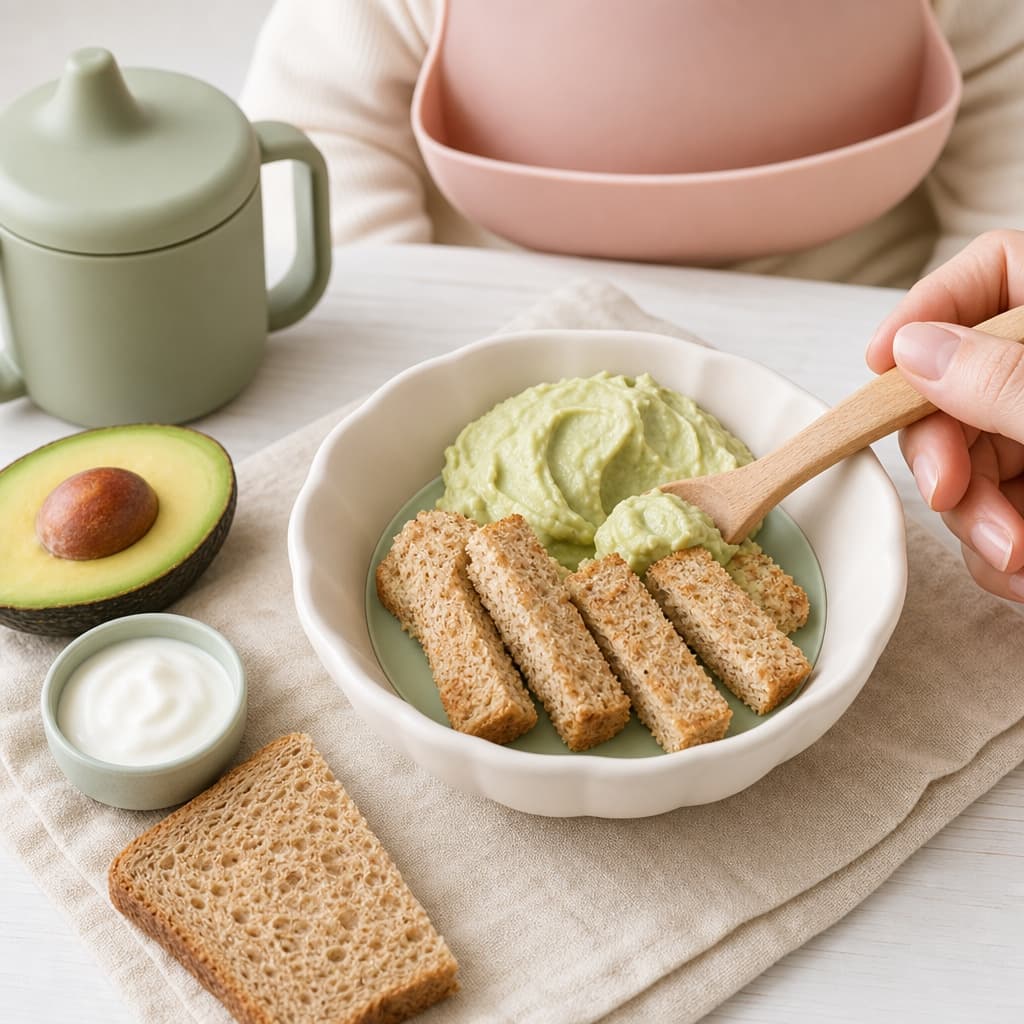
एवोकाडो योगर्ट डिप विद टोस्ट स्ट्रिप्स
child_care8 महीने+schedule10 मिनट
स्वस्थ वसाCalcium
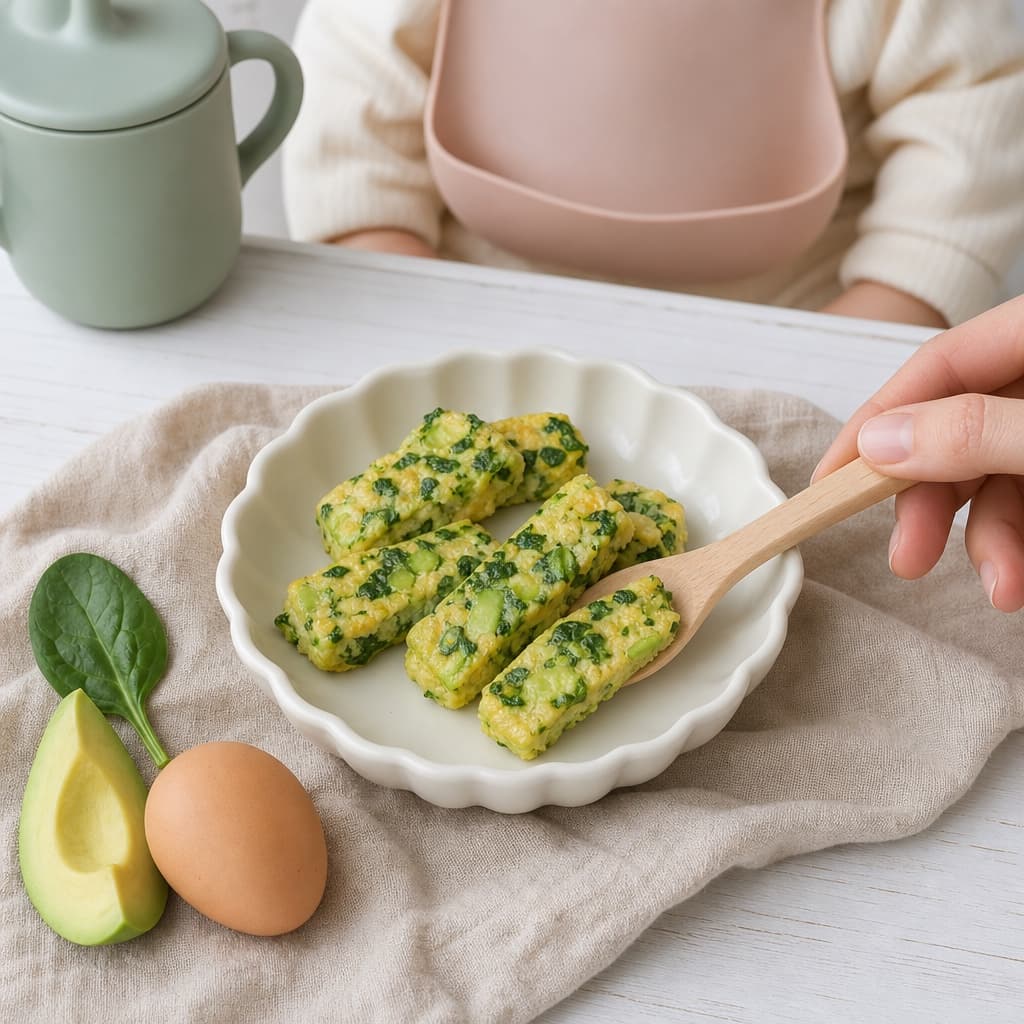
एवोकाडो अंडा मिनी बाइट्स
child_care9 महीने+schedule15 मिनट
स्वस्थ वसाProtein
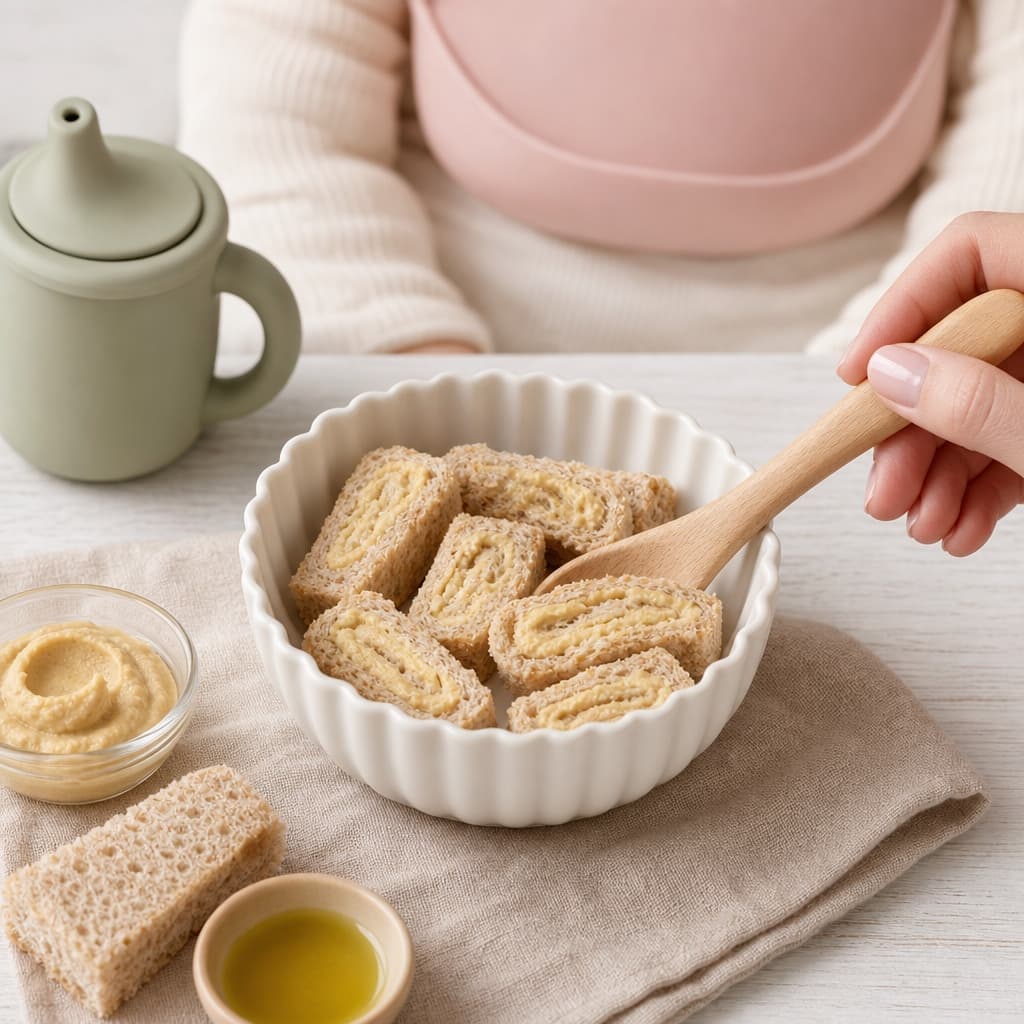
हम्मस टोस्ट पिनव्हील्स
child_care10 महीने+schedule10 मिनट
उच्च प्रोटीनPlant Protein
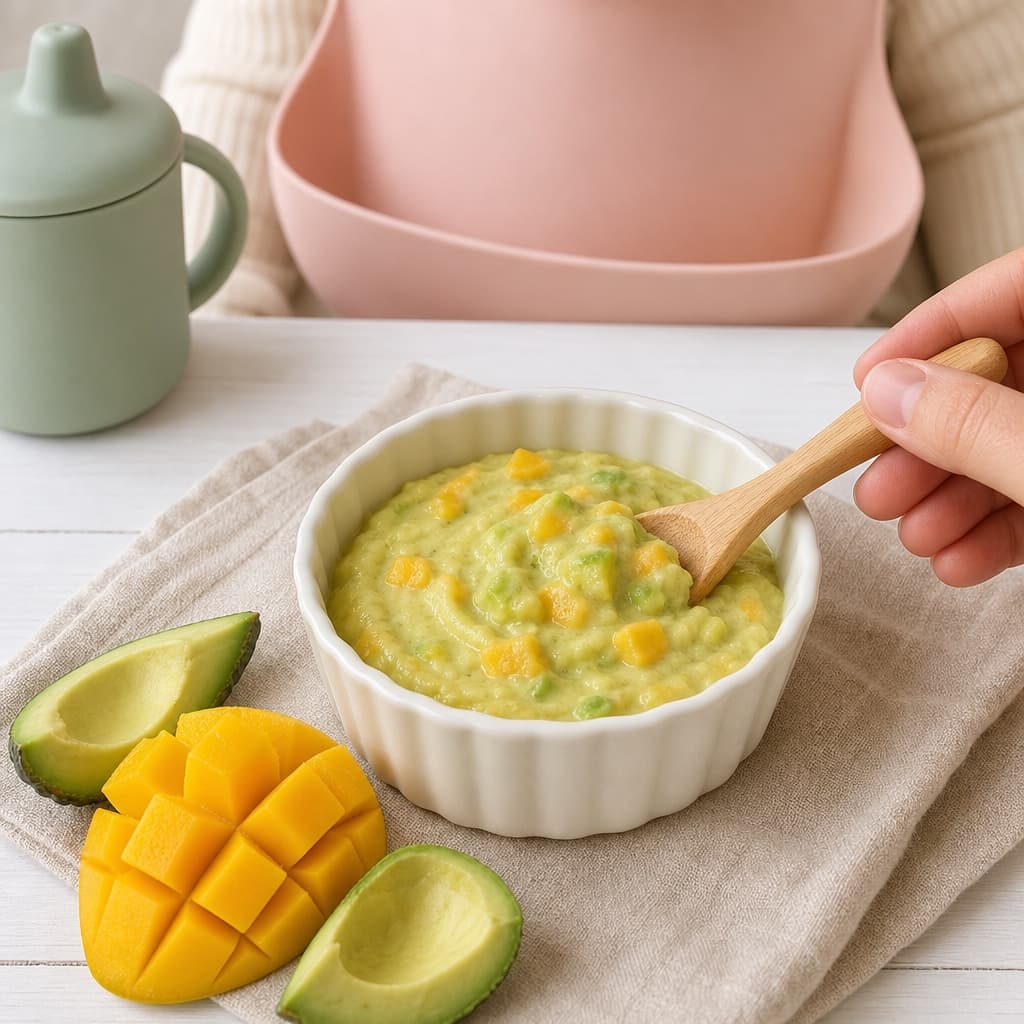
एवोकाडो आम मेश कप
child_care6 महीने+schedule5 मिनट
स्वस्थ वसाऊर्जा
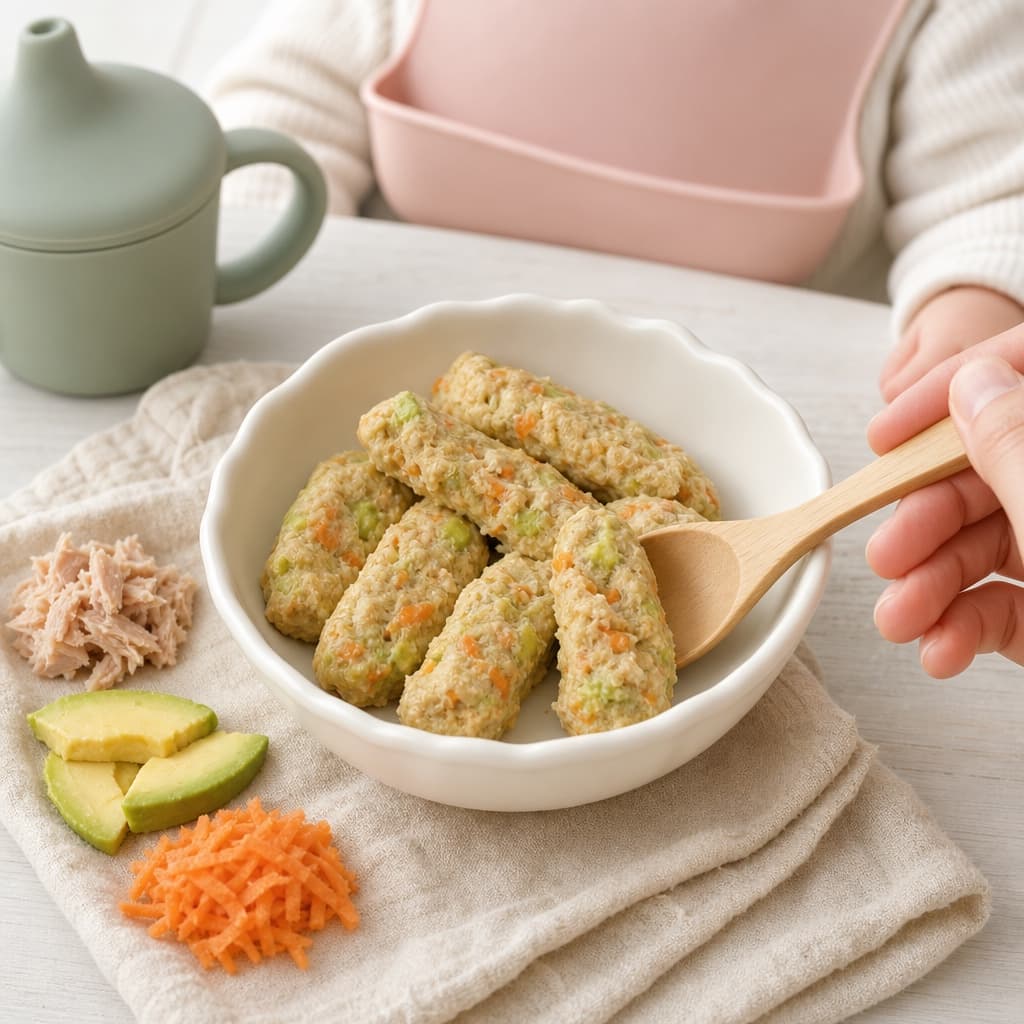
एवोकाडो ट्यूना मिनी केक
child_care12 महीने+schedule15 मिनट
ओमेगा-3स्वस्थ वसा
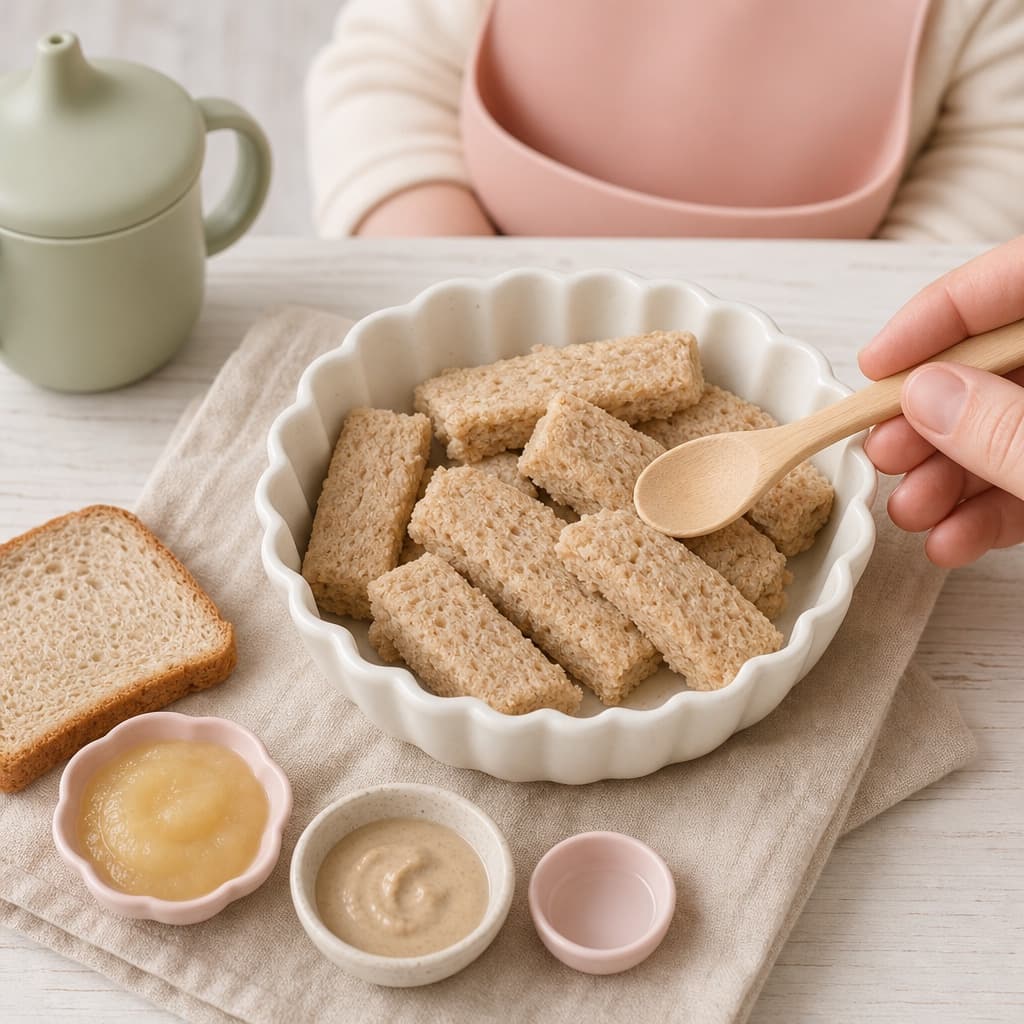
सेब ताहिनी टोस्ट स्ट्रिप्स
child_care9 महीने+schedule10 मिनट
स्वस्थ वसाऊर्जा
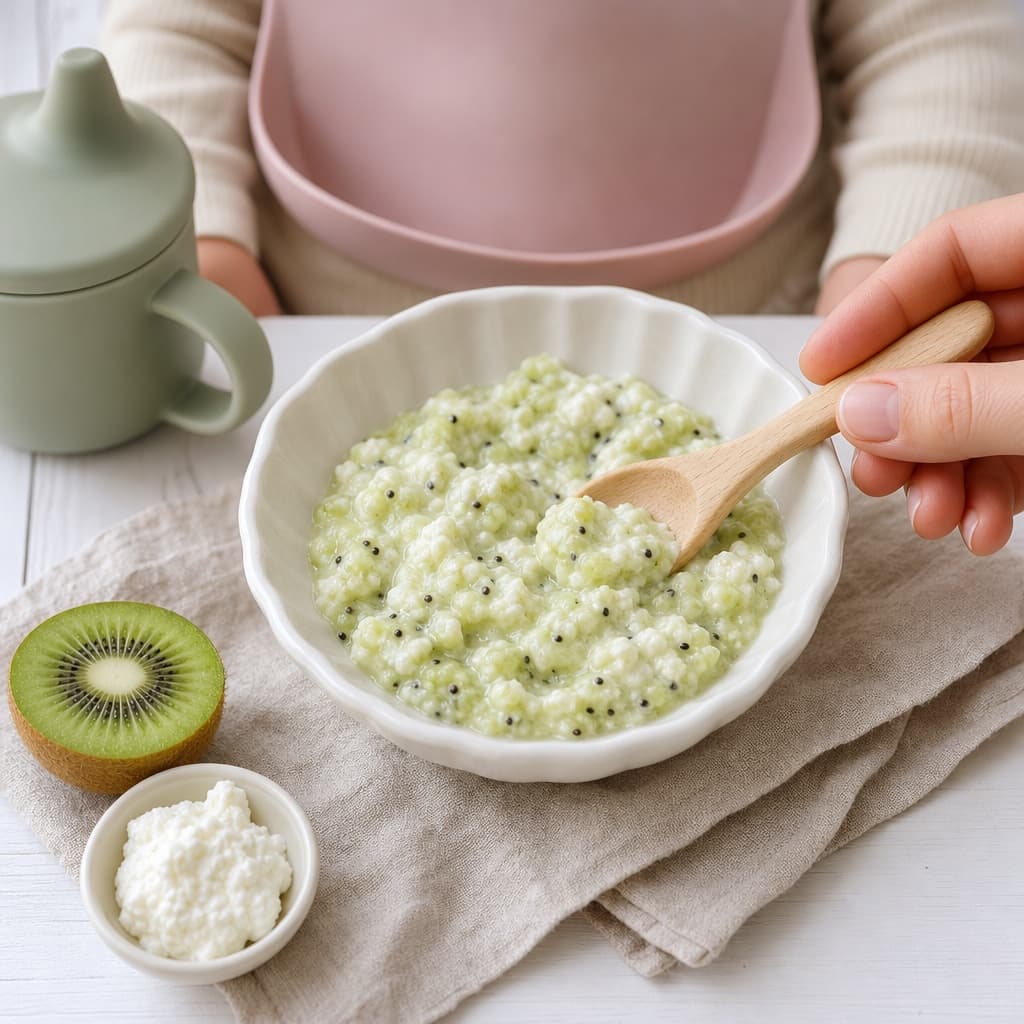
कीवी रिकोटा मैश
child_care8 महीने+schedule5 मिनट
Vitamin CCalcium
अक्सर पूछे जाने वाले प्रश्न
What are nutrition tags on baby recipes?
Nutrition tags highlight what a recipe delivers - iron-rich, high-protein, omega-3, fiber-rich, calcium-rich, healthy-fats, vitamin C, and more. They help you target specific nutrients your baby may need at a given stage.
Which nutrients matter most for babies starting solids?
Iron leads from 6 months (birth stores deplete; RDA is 11 mg/day at 7-12 months). Healthy fats (avocado, salmon, egg yolk) support brain development. Calcium and vitamin D matter from 6m for bone growth. Protein and zinc round out the priority list.
Should I track grams of nutrients for my baby?
No precise tracking needed. Aim for variety: include an iron-rich food at 1-2 meals, healthy fats daily, calcium-rich foods (yogurt, cheese, broccoli) regularly, and a wide range of fruits and vegetables. Consistency over a week matters more than any single meal.
What if my baby doesn't get enough iron through food?
Most babies meet iron needs through varied solids from 6 months. Breastfed babies are at higher risk than formula-fed (formula is iron-fortified). If iron intake stays low, your pediatrician may recommend an iron supplement or fortified cereal - not from food labels alone.
Are healthy fats important for babies?
Yes - fats supply ~50% of a baby's calories in the first year and are critical for brain development. Avocado, salmon, full-fat yogurt, olive oil, butter (after 12m for any added butter), and nut butters thinned to a safe consistency are all baby-appropriate sources.
What's the difference between heme and non-heme iron?
Heme iron (from animal foods) is absorbed at 15-35%; non-heme iron (from plants) at 2-20%. Pair plant iron with vitamin C foods (citrus, kiwi, tomato, bell pepper) to dramatically boost absorption. Avoid serving plant iron with cow's milk, dairy, or tea, which block absorption.