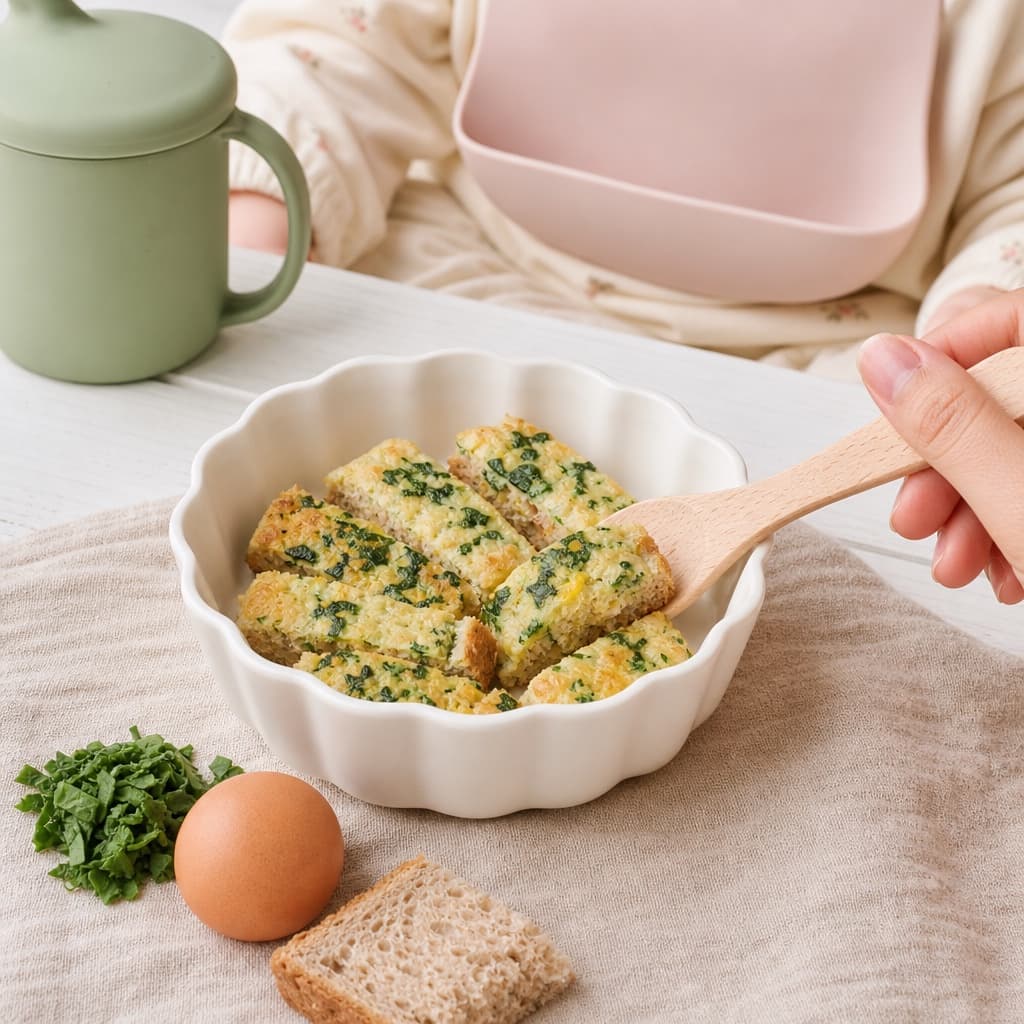
Spinach for baby, complete guide
This spinach guide covers timing, safe cooking and blending, nutrition notes on iron and folate, and simple recipes to include leafy greens in baby meals.

What do you want to know?
Deep dive
SpinachSpinach for parents: when to introduce, best cooking methods, iron and folate info, portion advice and easy ways to add mild leafy greens to purees and meals.
Nutrition highlights
Provides folate and vitamin K in varying amounts depending on preparation.
Contains non-heme iron; offer other iron-rich foods, including fortified cereal, pulses, egg, fish or meat as appropriate.
Contains plant compounds and dietary fiber, but a small amount is not a treatment for constipation or iron deficiency.
Vitamin C-rich foods such as cooked pepper or mashed fruit can help absorb iron from plant sources.
Safety quick tips
Check national nitrate advice. Sweden advises no large portions of leafy greens before 1 year; NHS lists spinach as a possible complementary vegetable from around 6 months.
Avoid spinach during bacterial gastrointestinal illness for a young child; EFSA specifically identified increased vulnerability in this situation.
Wash and cook spinach thoroughly, then finely chop or blend to avoid difficult stringy mouthfuls.
Common questions
Is Spinach a common allergen?
Spinach is not typically a common allergen for babies. Many babies can try it from around Around 6 months in some countries; check local nitrate guidance as part of a varied diet.
What nutrients does Spinach provide for babies?
Spinach provides nutrients like fibre, vitamin C, iron, folate that support babies' growth and development.
Recipes with this food
View all recipes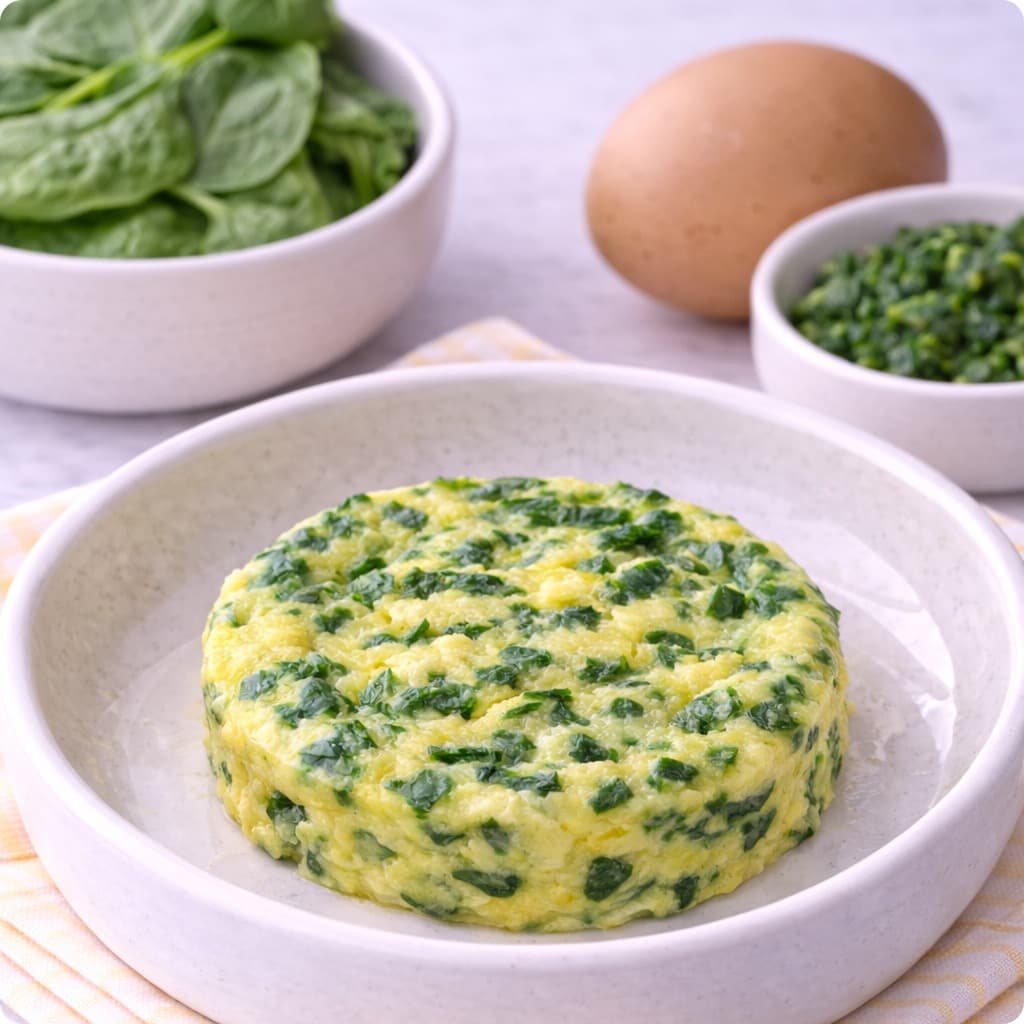
Spinach Egg Mini Omelette
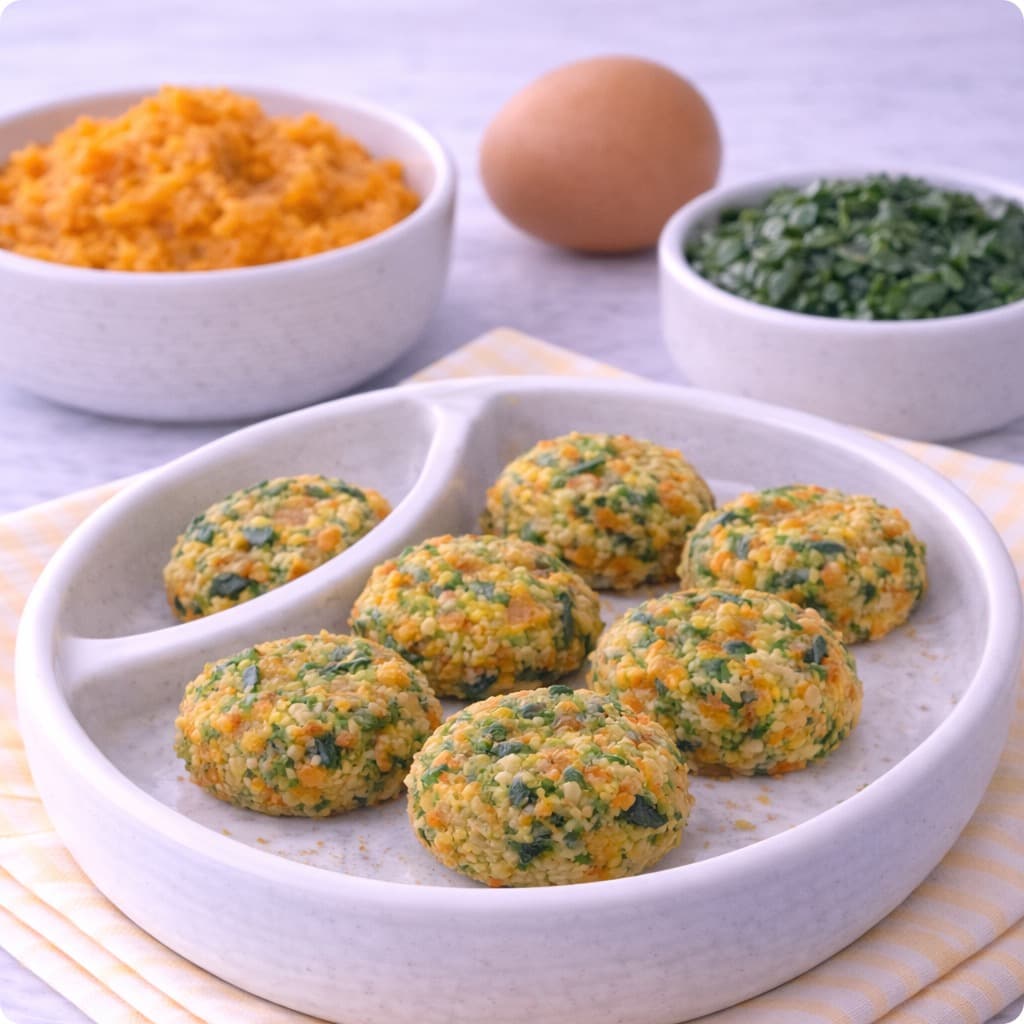
Sweet Potato Spinach Fritters
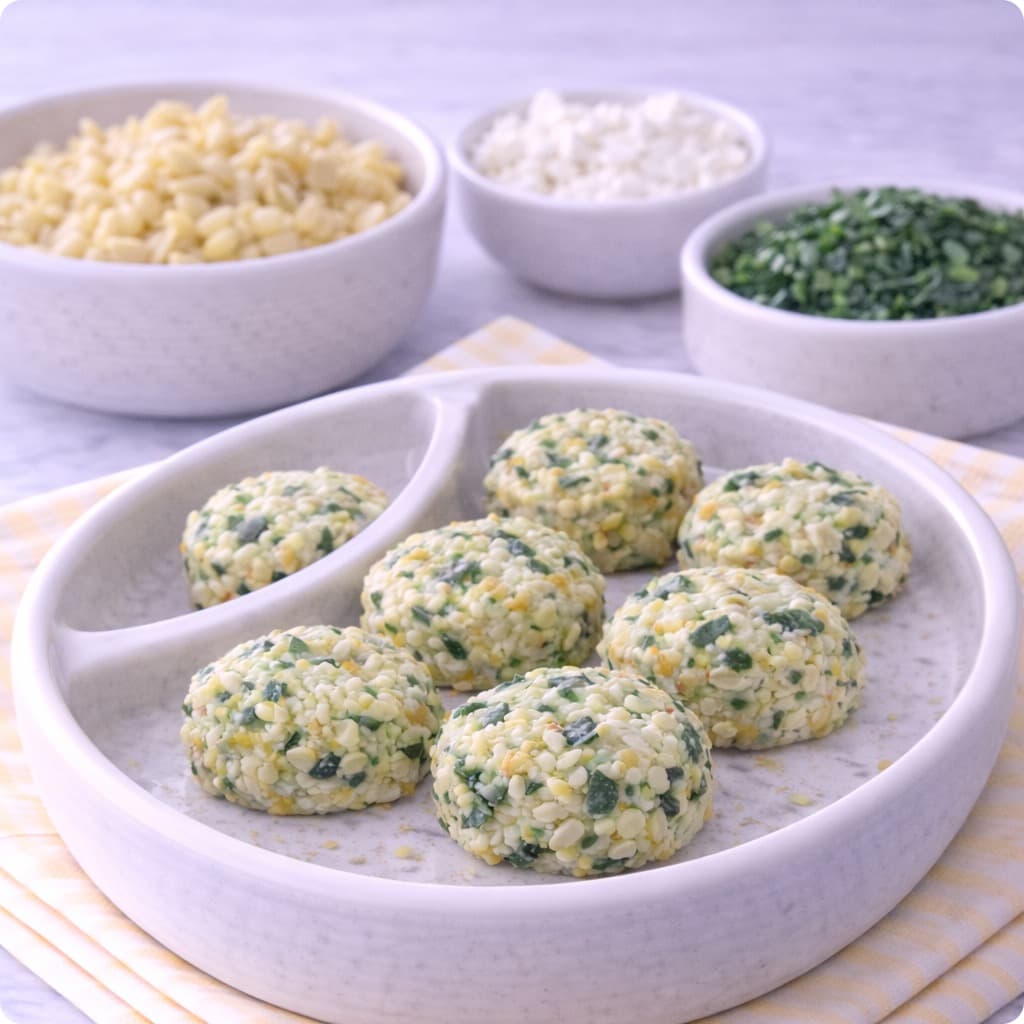
Spinach Ricotta Pasta Bites
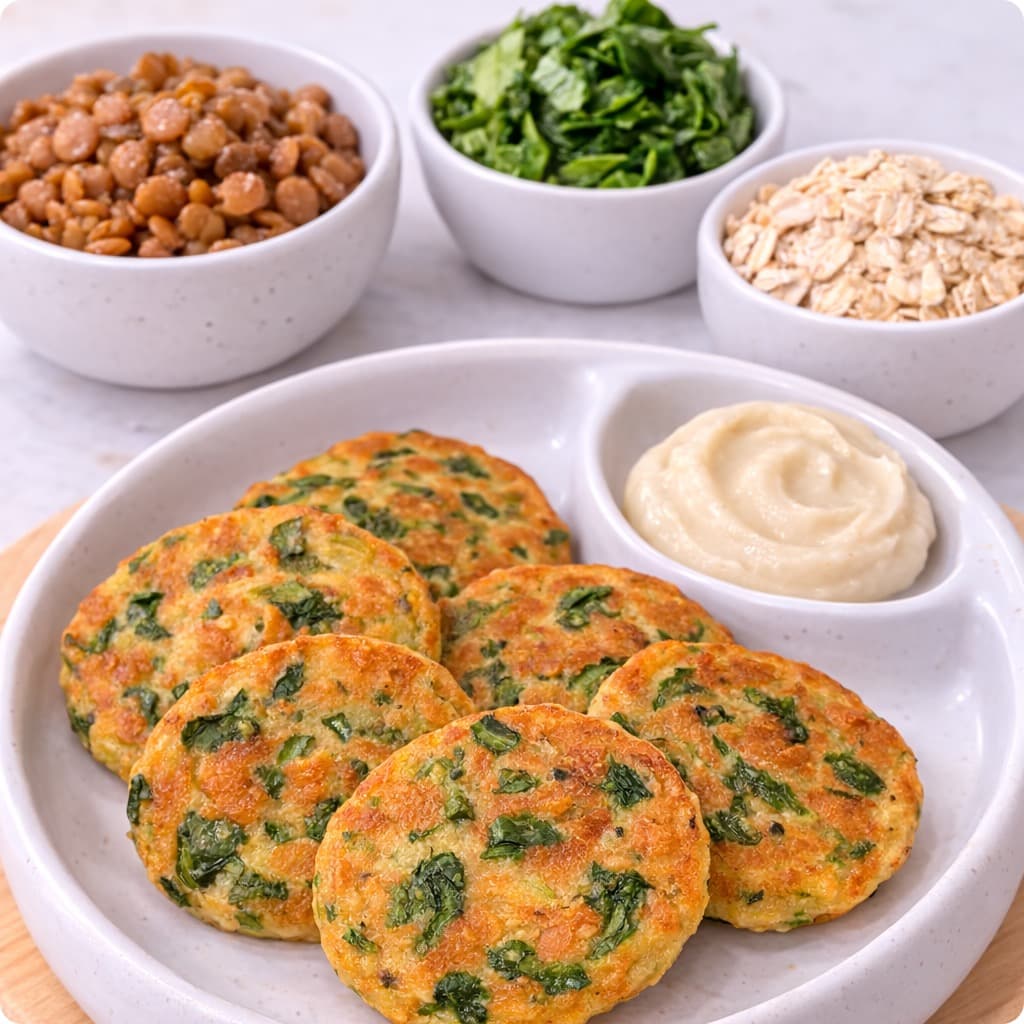
Lentil Spinach Pancakes
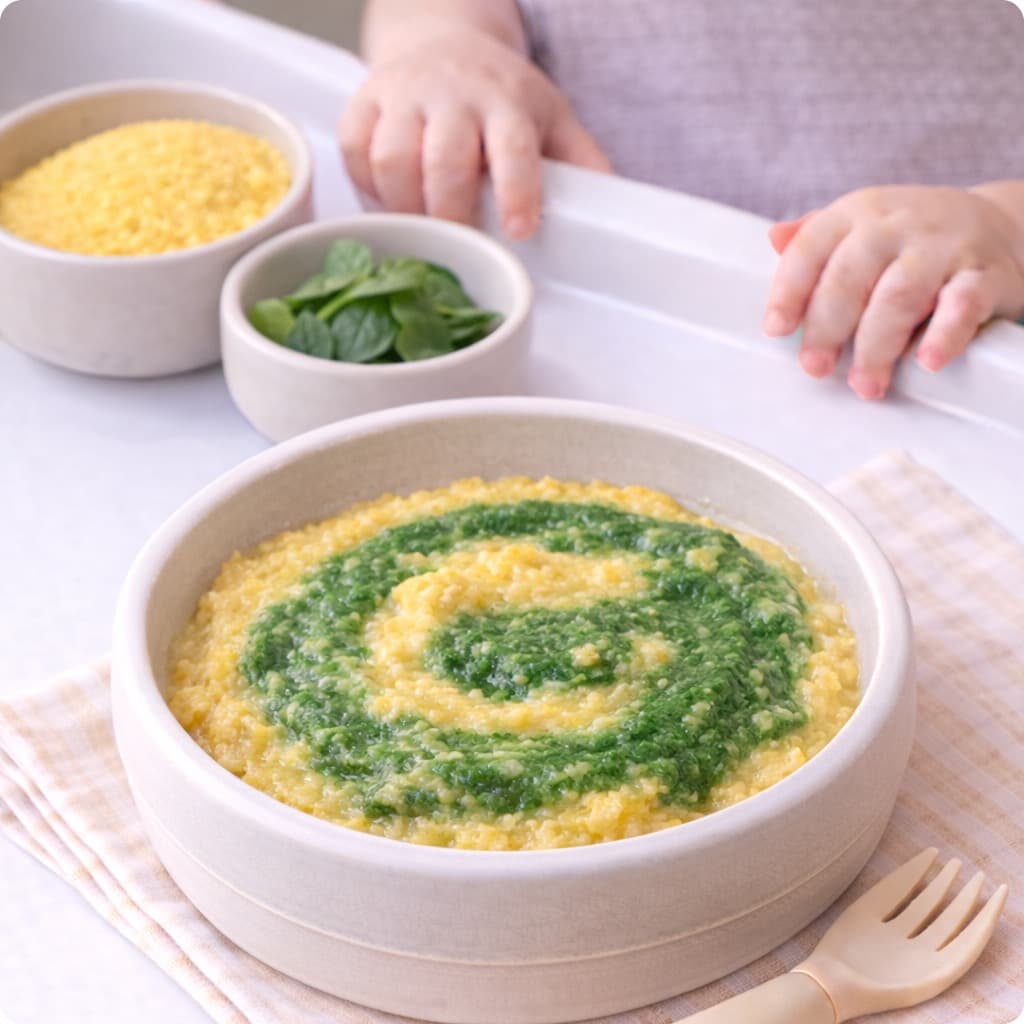
Italian Baby Polenta + Spinach Cream