Spinach for Baby
Last updated October 2026
Can a baby eat spinach? The answer depends partly on where you live. The NHS includes spinach among vegetables that may be offered from the start of solids at around 6 months, prepared in a soft texture. Sweden's Livsmedelsverket advises waiting until a child is 1 year old before offering larger amounts of spinach and similar leafy greens because of naturally occurring nitrate. Follow guidance for your country and baby's health.
Quick answer
NHS first-food guidance names spinach among less-sweet vegetables that can be introduced with solids around 6 months. Offer it as a cooked mash or finely blended component of a varied meal, keeping milk feeds and iron-rich complementary foods in the routine.

How to prepare spinach when locally appropriate
Wash leaves well. Wilt, steam or simmer them until soft, and then chop finely or blend so no long stringy pieces remain. Mix a little into an already-tolerated potato or lentil mash rather than using a large serving on its own.
Add finely chopped cooked spinach to soft scrambled egg, a blended bean dish or a moist fritter if all other ingredients are suitable. Be mindful of egg, wheat or dairy allergens in mixed recipes.
Cool cooked spinach promptly in shallow portions, refrigerate or freeze according to local food-safety guidance, and reheat only as instructed for baby meals. Leaving prepared spinach standing at room temperature can increase bacterial activity; EFSA identifies storage conditions as relevant to nitrate-to-nitrite conversion. Do not promise that reheating reverses poor storage.
Do not treat raw spinach leaves as a safe self-feeding handle simply because the child can grasp them; leaf texture and chewing skills matter.
When can babies eat spinach, and why does advice vary?
Livsmedelsverket in Sweden advises delaying larger quantities of leafy greens such as spinach, arugula and lettuce until age 1 because nitrate can become nitrite. EFSA's risk assessment noted that most ordinary intakes are not concerning but very high intakes, poor storage and some infections increase risk. This is not a universal 'few times weekly' allowance.
If your baby has a bacterial gastrointestinal illness, avoid serving spinach until recovered and seek advice if needed: EFSA identified increased vulnerability to nitrate/nitrite effects during these infections. National guidance may impose stricter rules than this overview.
For families using spinach, wash it thoroughly, cook until tender and finely chop or blend the leaves into a small amount of soft food. Avoid offering a large pile of stringy raw leaves to a new eater.
Spinach provides some folate, vitamin K and non-heme iron, but its iron is not as readily absorbed as iron from meat; do not use spinach alone to meet the baby's iron needs.
See our first foods for baby guide for more ideas.
Nitrate, cooking and feeding precautions
Check national nitrate advice. Sweden advises no large portions of leafy greens before 1 year; NHS lists spinach as a possible complementary vegetable from around 6 months.
Avoid spinach during bacterial gastrointestinal illness for a young child; EFSA specifically identified increased vulnerability in this situation.
Wash and cook spinach thoroughly, then finely chop or blend to avoid difficult stringy mouthfuls.
Do not leave cooked spinach sitting at room temperature; chill and store prepared baby meals promptly.
Spinach alone will not meet infant iron requirements. Offer varied iron-containing foods and avoid added salt.
Have the baby upright and closely supervised while eating.
Spinach recipes for babies
View all recipes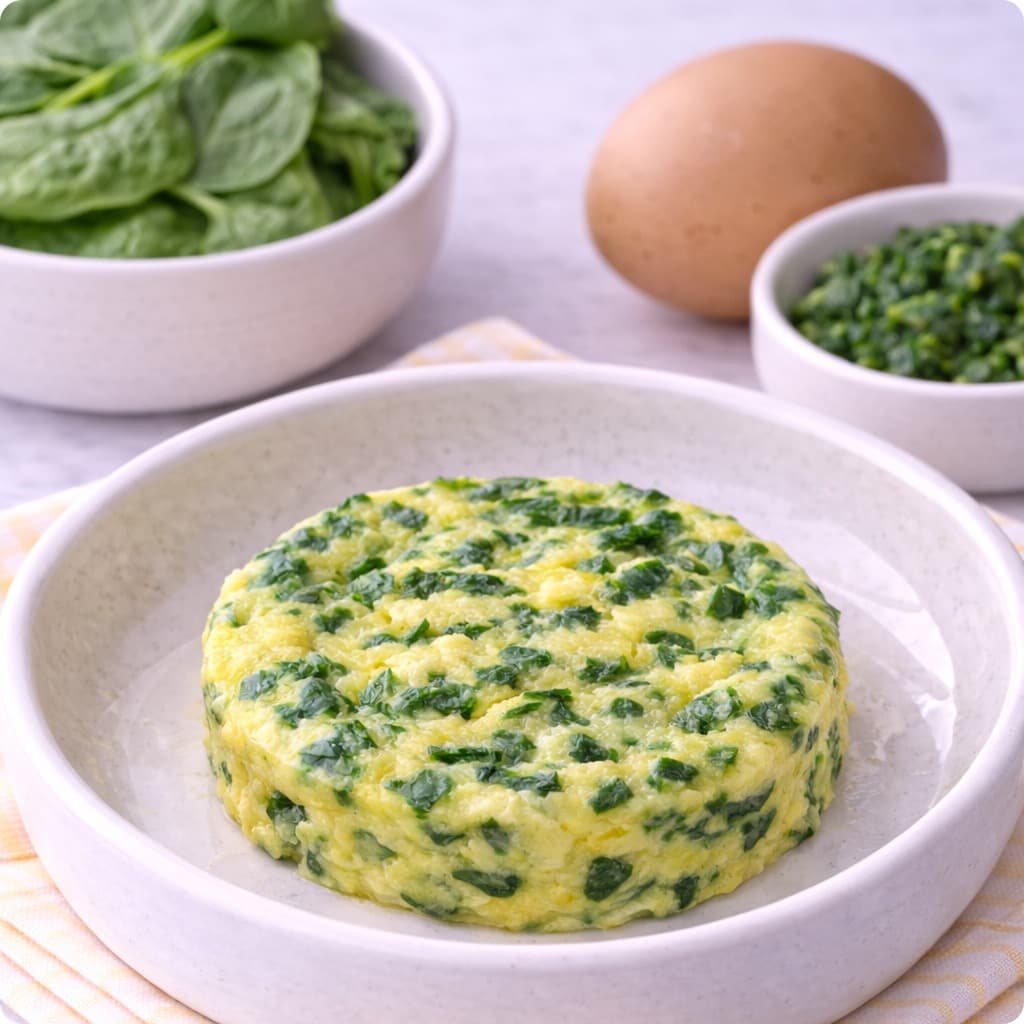
Spinach Egg Mini Omelette
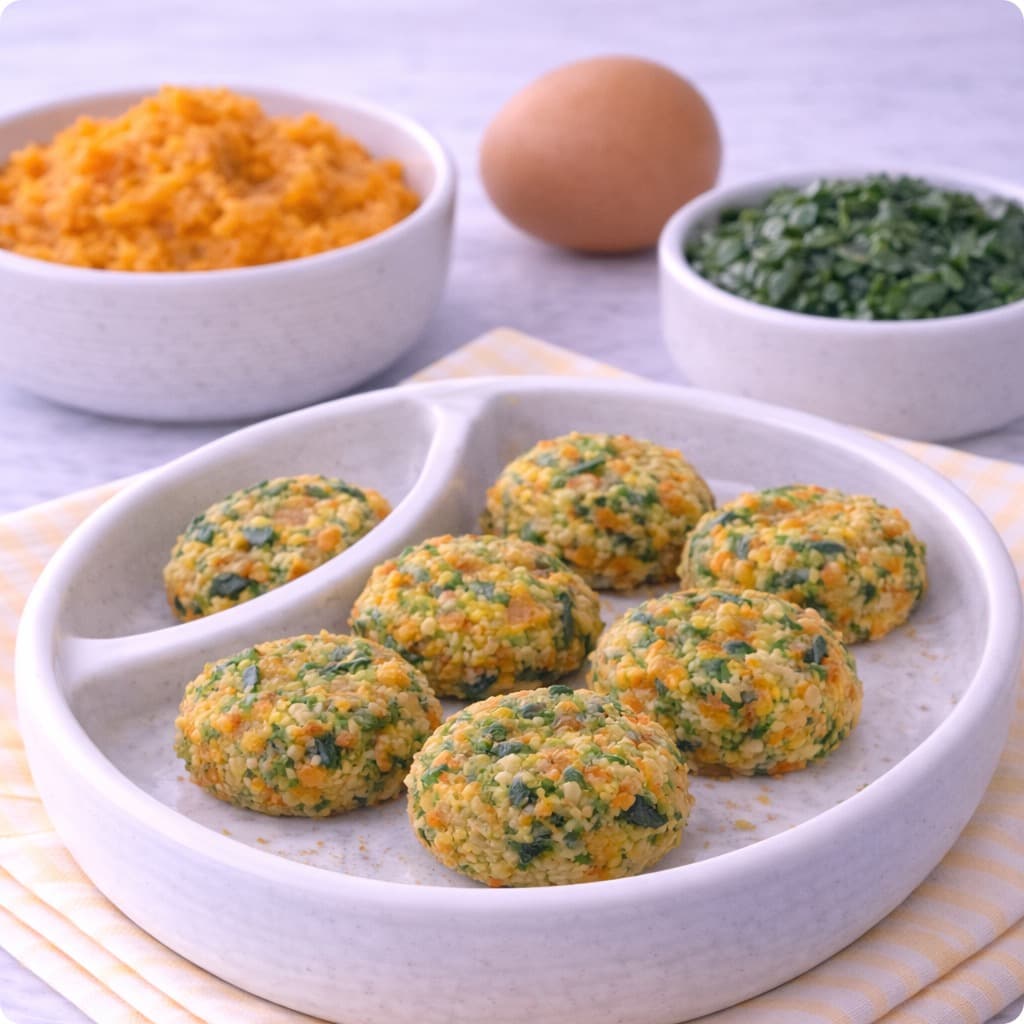
Sweet Potato Spinach Fritters
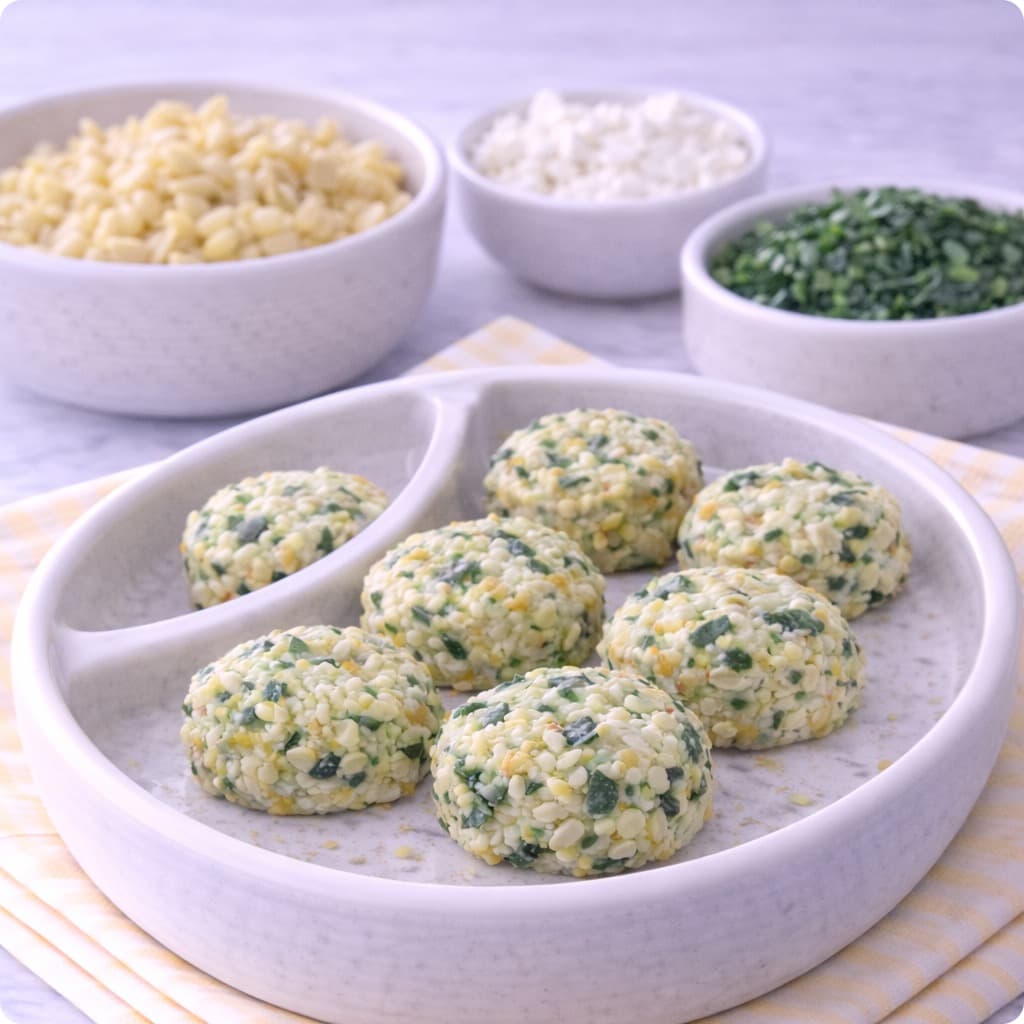
Spinach Ricotta Pasta Bites
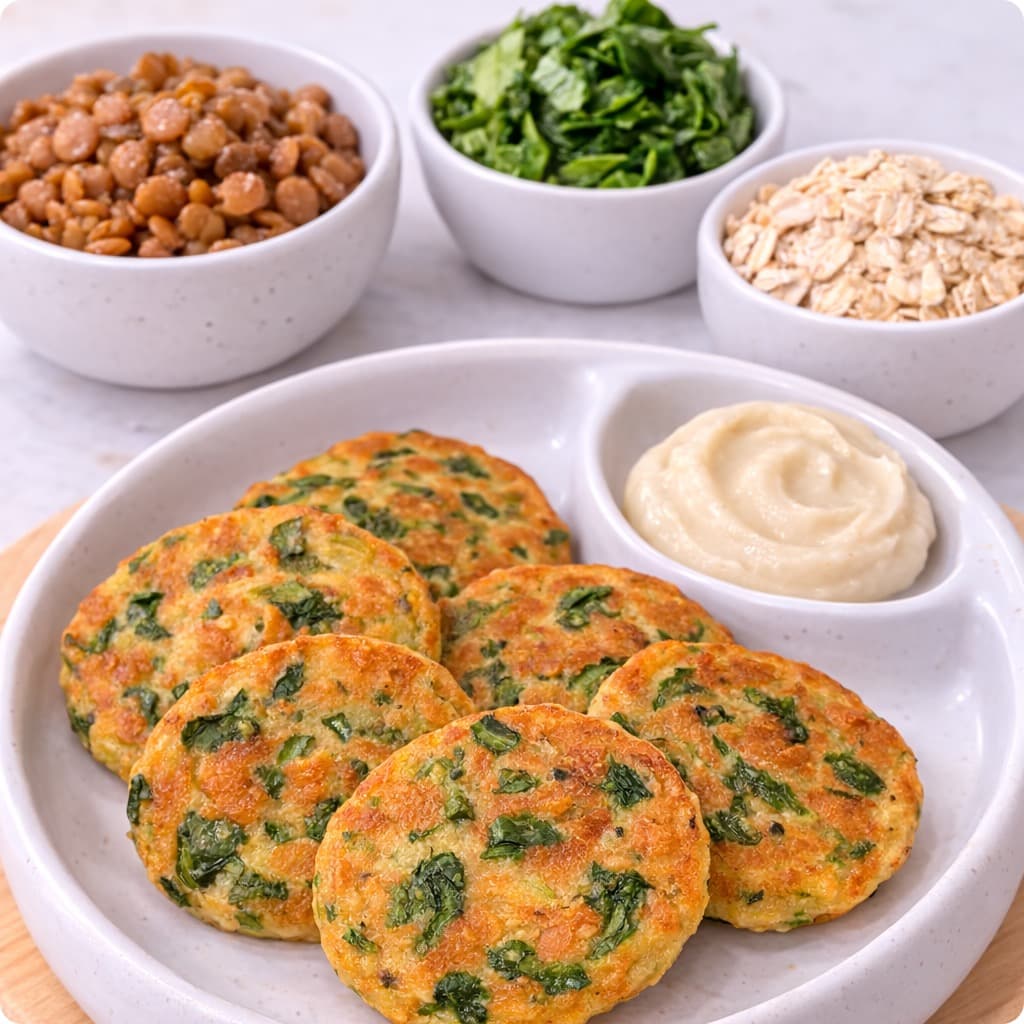
Lentil Spinach Pancakes
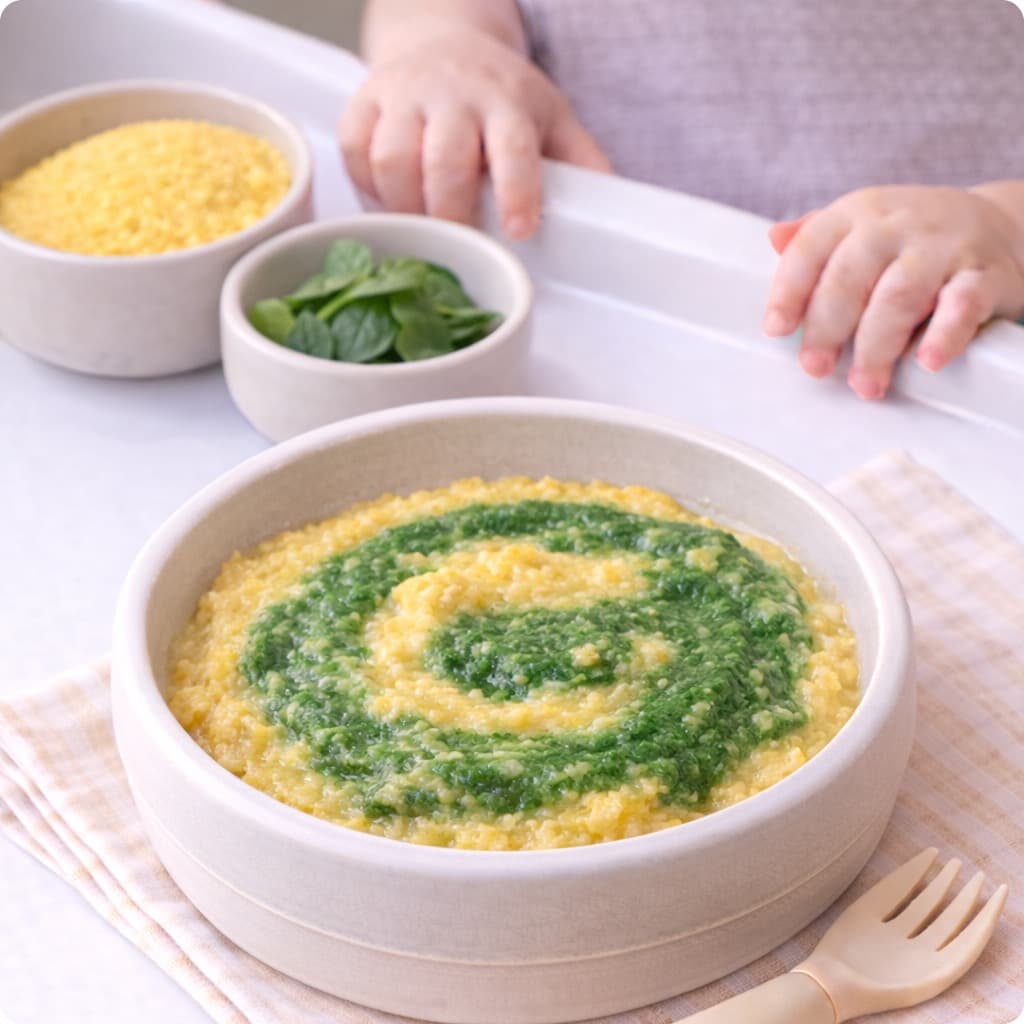
Italian Baby Polenta + Spinach Cream
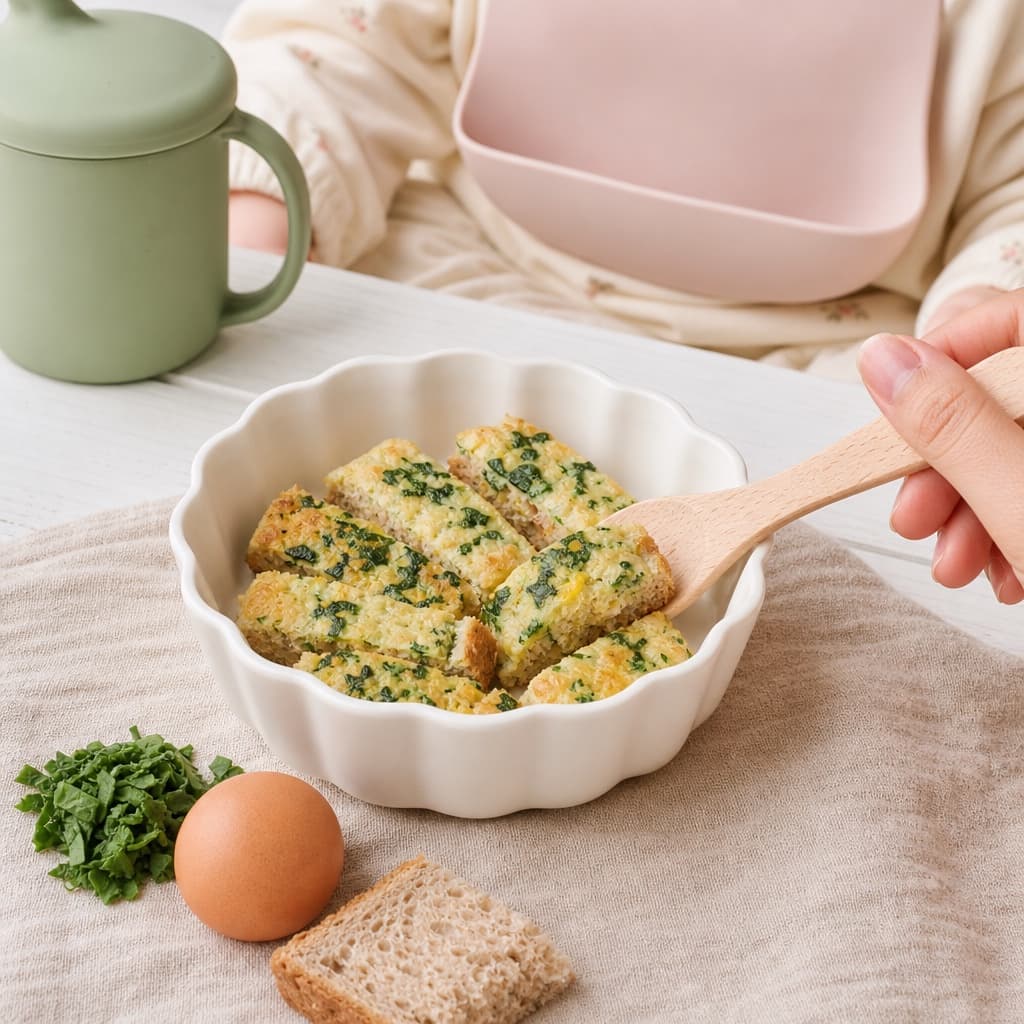
Spinach Egg Toast Bites
See all spinach recipes for babies. Explore baby breakfast recipes, baby-led weaning recipes and first foods for baby for more ideas.
Related Guides
Frequently Asked Questions
Is Spinach a common allergen?
Spinach is not typically a common allergen for babies. Many babies can try it from around Around 6 months in some countries; check local nitrate guidance as part of a varied diet.
What nutrients does Spinach provide for babies?
Spinach provides nutrients like fibre, vitamin C, iron, folate that support babies' growth and development.
Sources & References
This guide is informed by current guidelines from leading health organizations:
- ●CDC - When, What, and How to Introduce Solid Foods CDC
- ●NHS - Your Baby's First Solid Foods NHS
- ●AAP - Iron Needs for Babies and Toddlers AAP
- ●EFSA — Nitrate in Spinach and Leafy Vegetables (2010) European Food Safety Authority
- ●Livsmedelsverket — Nitrates in leafy vegetables and advice for infants Livsmedelsverket
- ●NHS - Preparing Food Safely for Babies NHS
- ●CDC — Choking Hazards (reviewed March 2026) CDC
