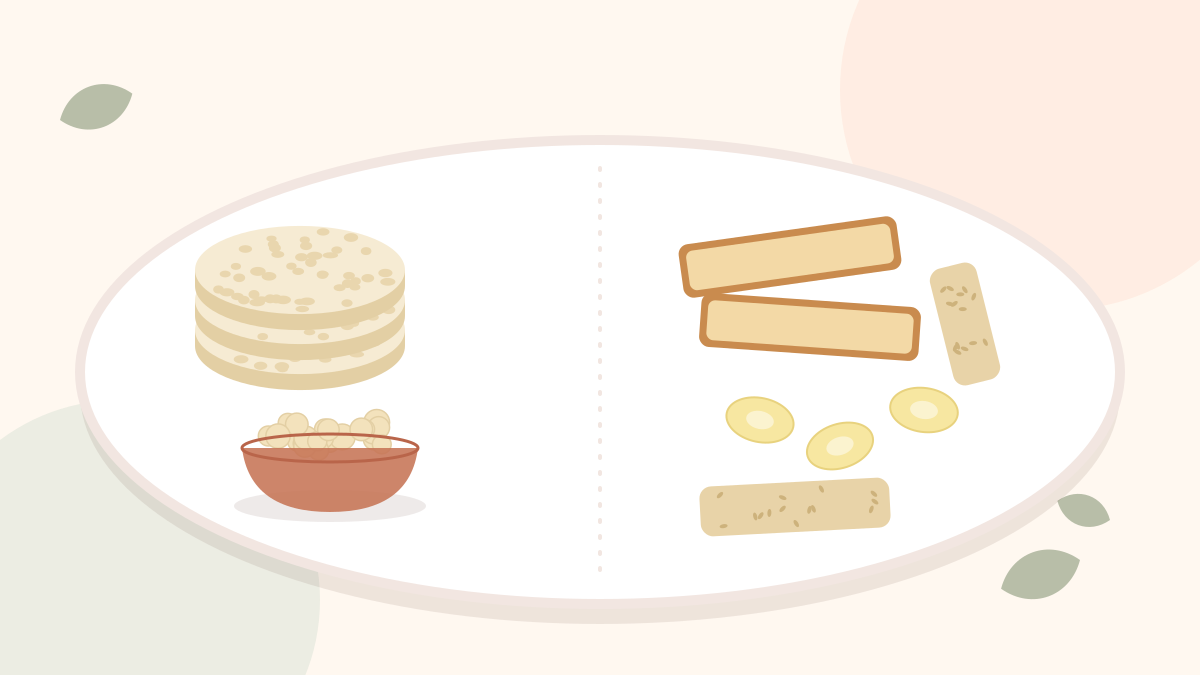
Why rice cakes get singled out
Arsenic occurs naturally in soil and water, and rice tends to take up more of it than other grains. The levels are not an immediate danger, but inorganic arsenic is a substance food agencies want everyone to keep as low as possible, because long-term intake is linked to a higher risk of some cancers. Young children take in more per kilogram of body weight than adults, so they are the focus of the advice.
Rice cakes stand out because they are concentrated, dry rice. In its 2015 survey, the Swedish Food Agency found that a small child eating two to four rice cakes a week risked a high arsenic intake. Because rice cakes add almost no important nutrients and often contain salt, the agency now advises parents not to give them to children under 6. Norway's food authority describes rice cakes as a product with particularly high levels, and notes that puffed rice did not show the same high levels.
If you do offer rice snacks
- Keep them occasional, not a daily snack, and count them together with rice porridge, rice noodles and other rice snacks. Sweden's weekly limit for children covers all rice products combined.
- Choose plain, unsalted versions. The NHS advises against salty foods and added salt for babies.
- Read the label of baby puffs: many are rice-based, others use corn, oats or mixed grains. Rotating brands and grains spreads the exposure.
- For a beginner, only offer puffs that soften quickly when moistened. Hard rice cakes that snap into dry, sharp pieces are better left until chewing skills are well established.
- Seat your baby upright and stay with them for every snack, as with any food.
Rice is still fine: how to cook it with less arsenic
- Cook rice in a large amount of water and pour the excess away. The Swedish Food Agency says this can more than halve the arsenic content.
- Don't always choose brown or wholegrain rice: arsenic collects in the outer layers, so wholegrain rice often contains more than white rice.
- Buying organic does not help, because the arsenic comes from the soil.
- Ready-made baby foods that use a little rice flour or starch to thicken them are fine; the amounts are small.
- Rotate grains across the week: oats, barley, buckwheat, millet, quinoa, wheat pasta and corn all work for babies.
Snacks to offer instead
- From around 6 months: soft ripe fruit in easy-to-hold pieces, such as banana or pear; steamed vegetable sticks; toast fingers made from lower-salt bread with a thin spread; oat porridge fingers.
- From around 9 months, as chewing improves: plain full-fat yogurt with mashed fruit; small pieces of soft pasteurised cheese; soft-cooked pasta shapes.
- Corn, oat or mixed-grain puffs, if you like the convenience of a puff, chosen unsalted and offered occasionally.
