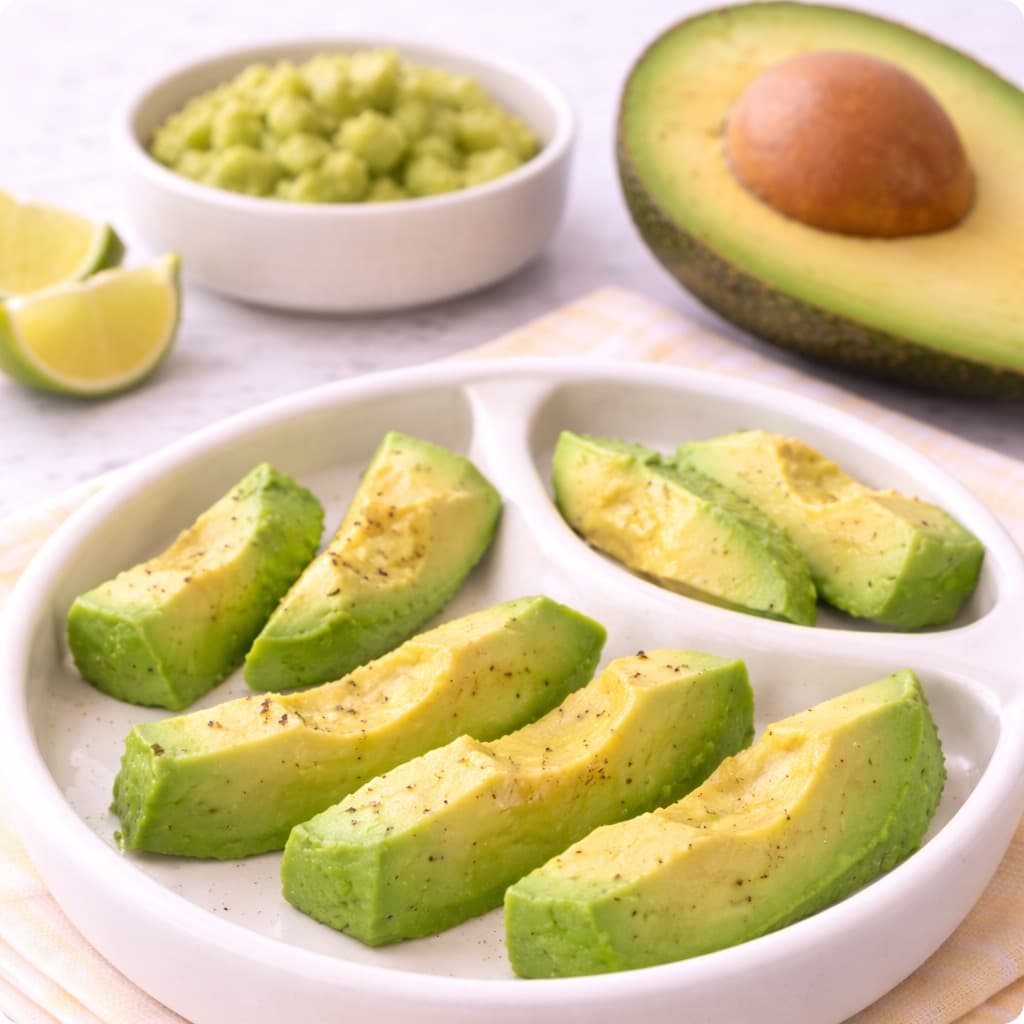
Avocado Wedges
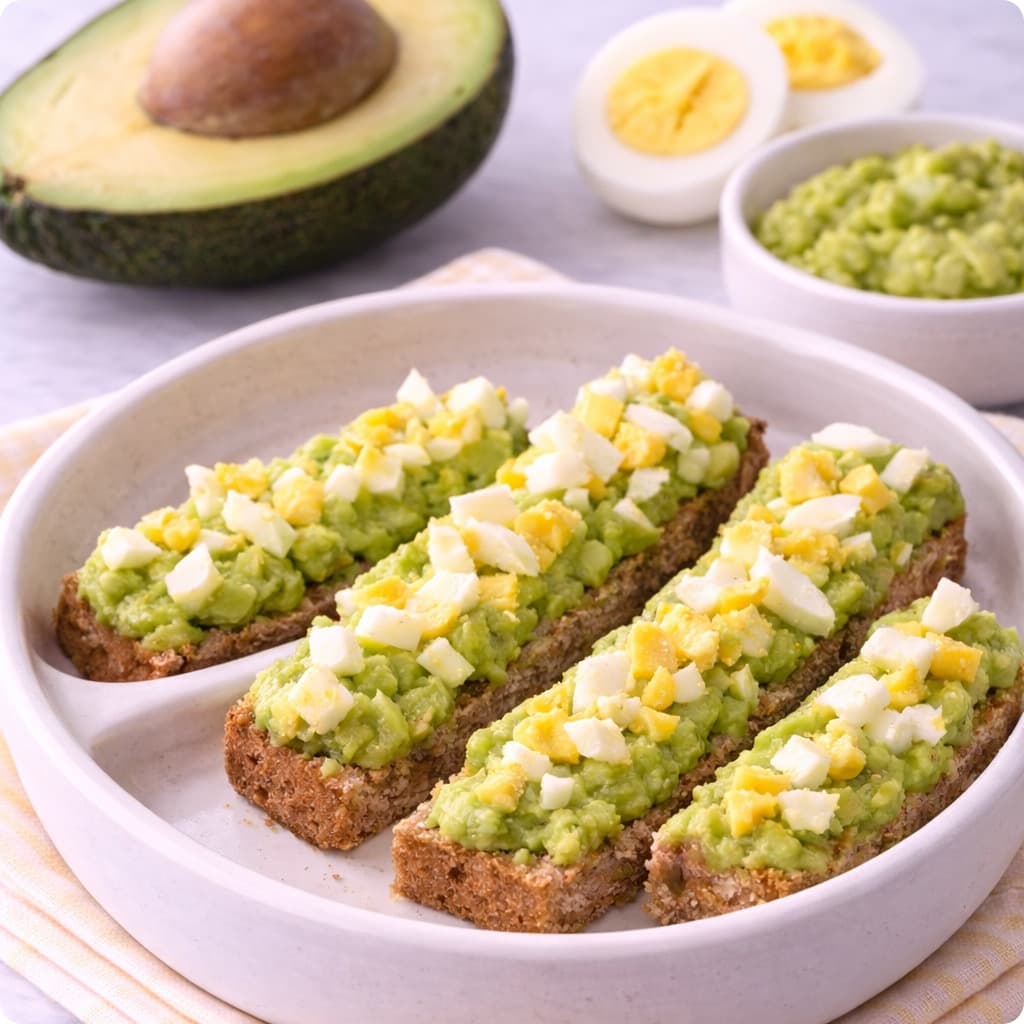
Egg Avocado Toast Fingers
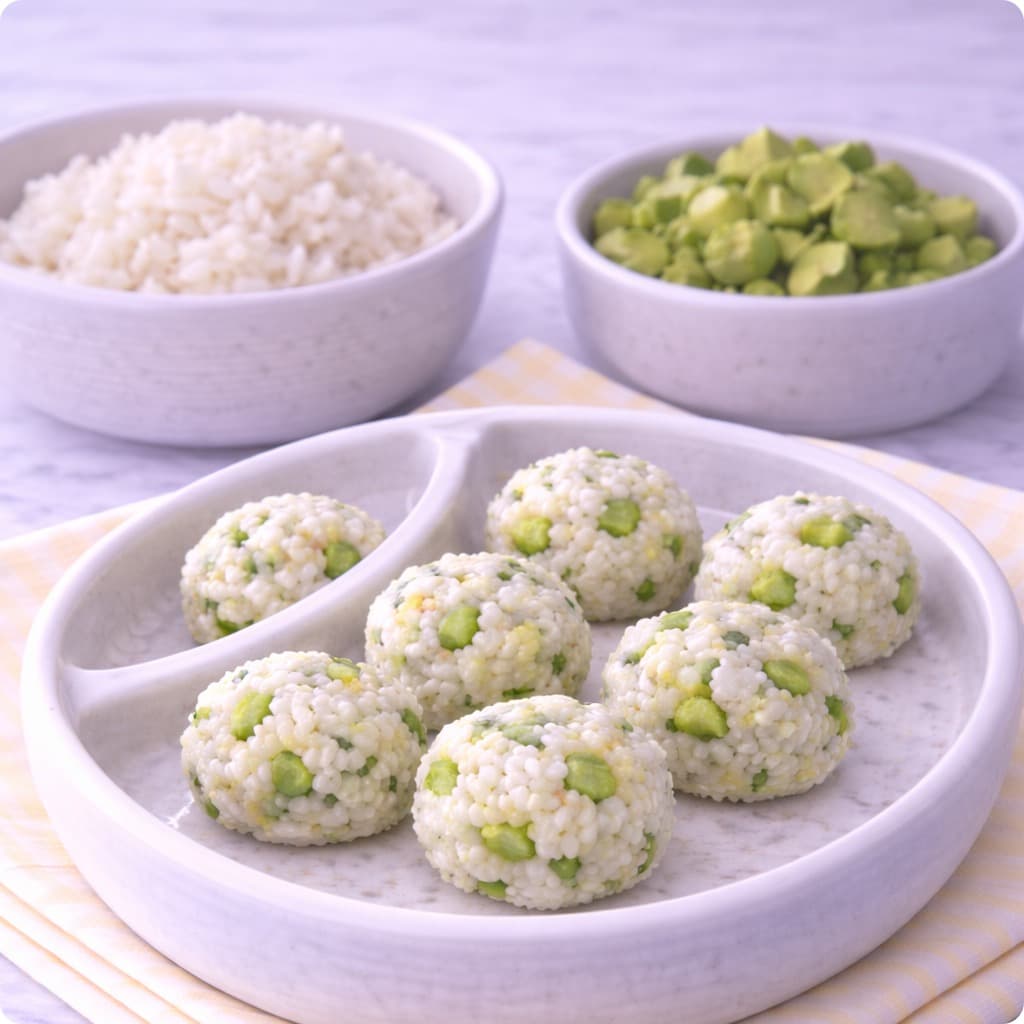
Baby Sushi Rice Balls
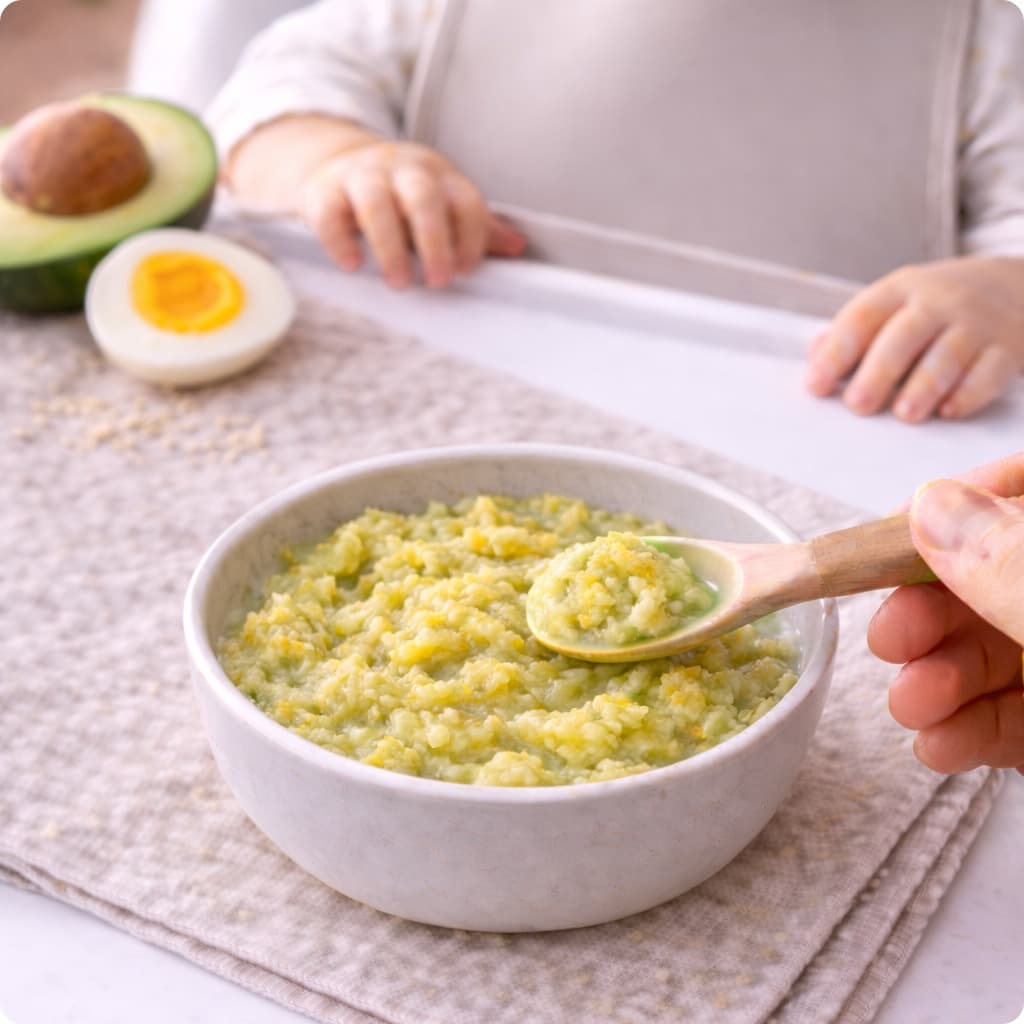
Egg & Avocado Mash
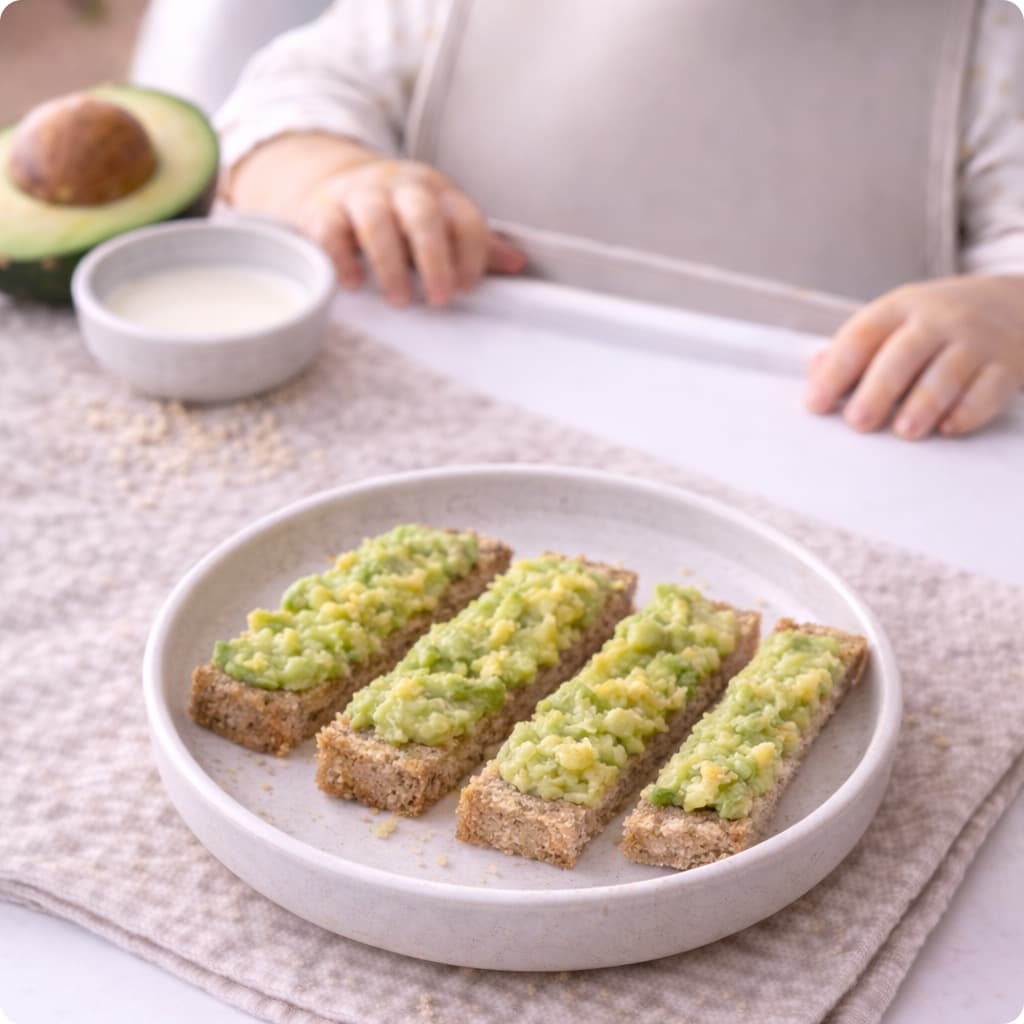
Avocado Toast Fingers (BLW)
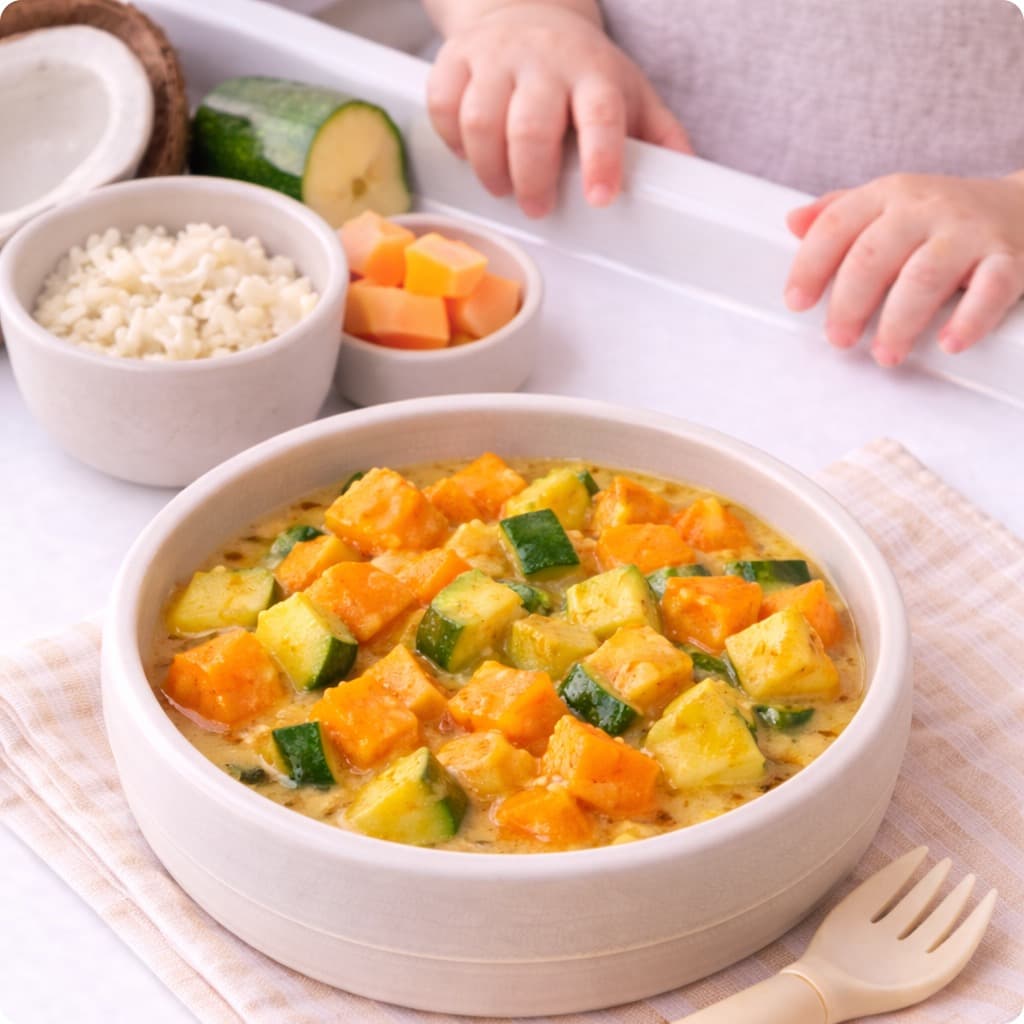
Mild Coconut Sweet Potato Baby Curry
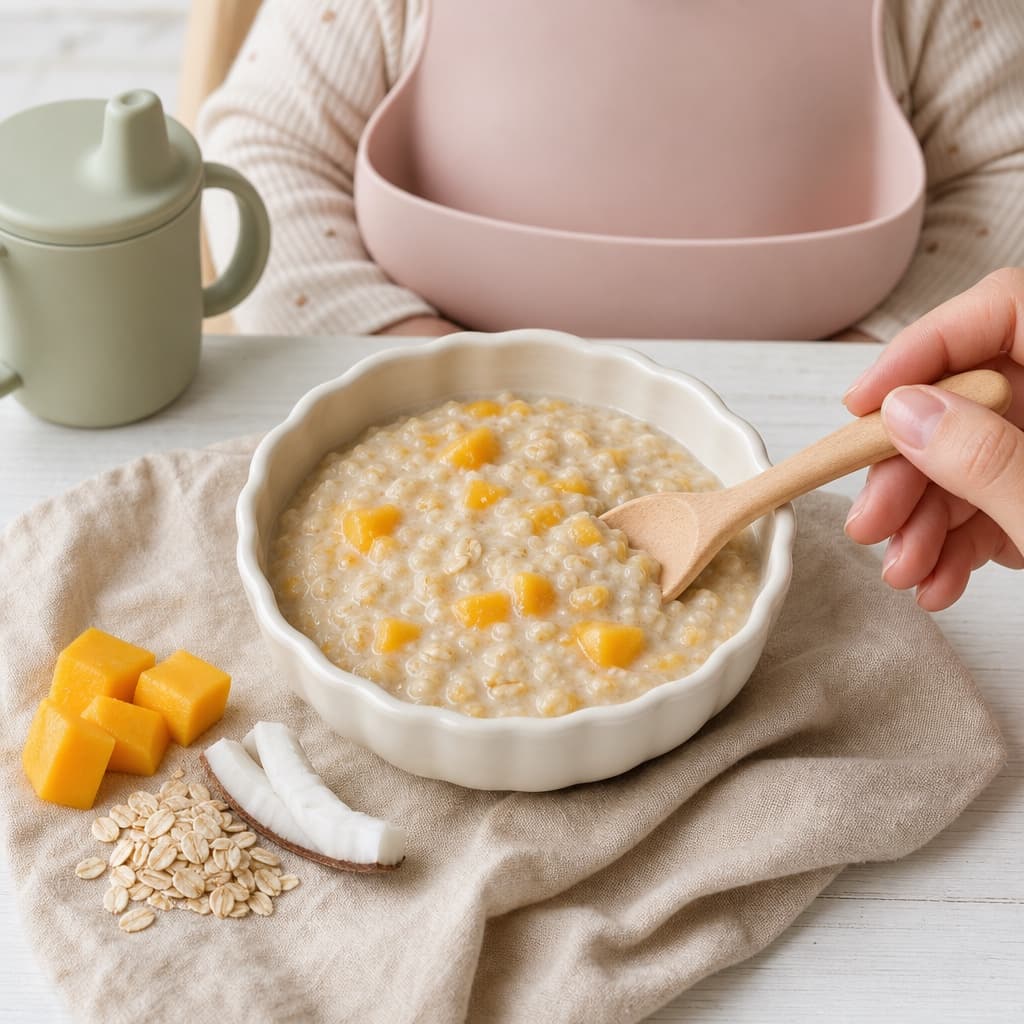
Mango Coconut Oatmeal
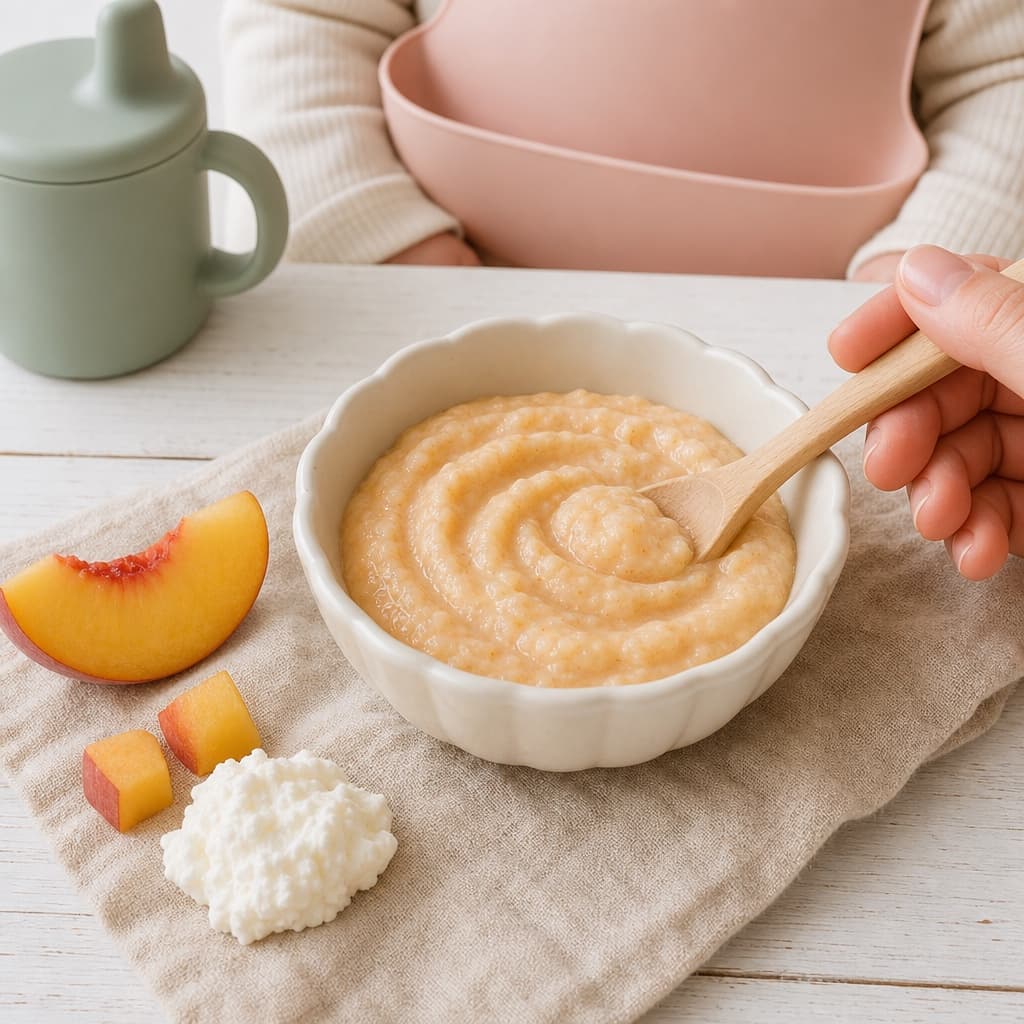
Peach Ricotta Breakfast Cream
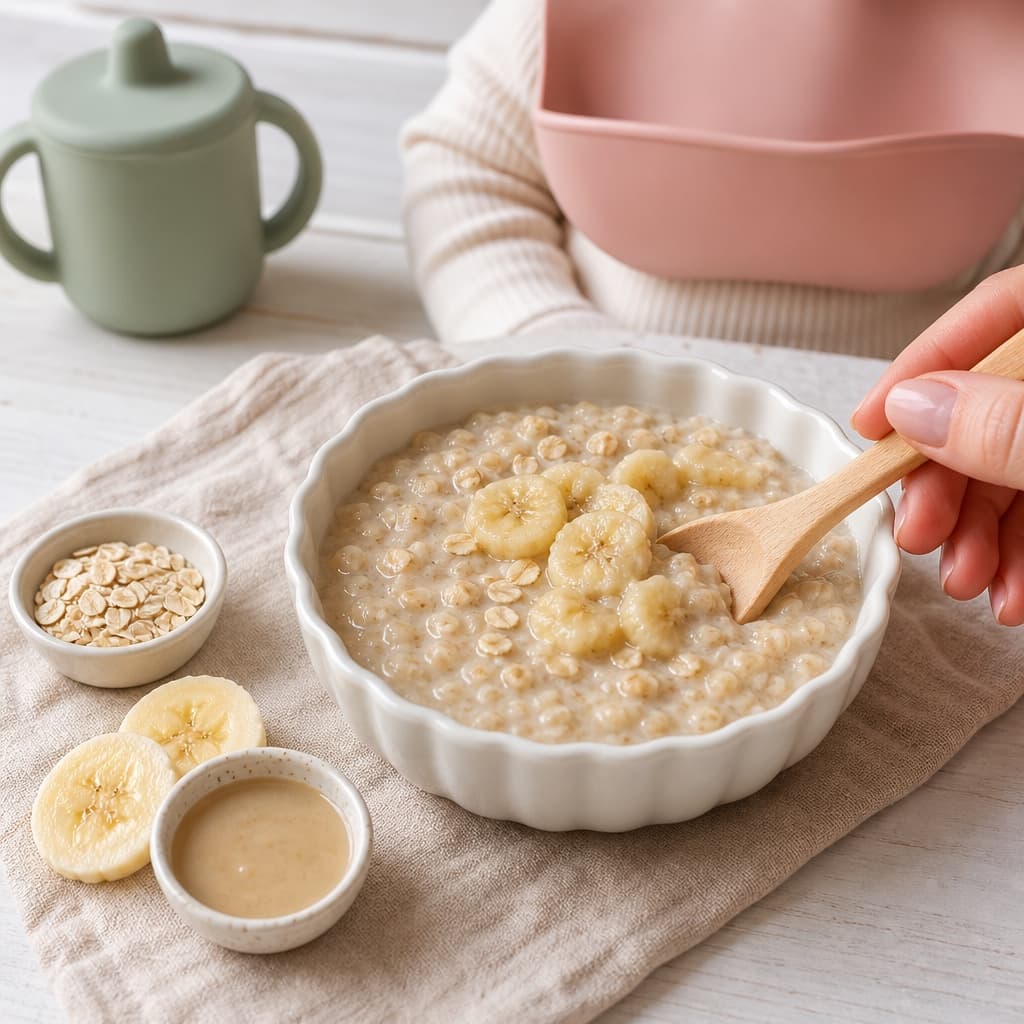
Banana Tahini Oat Bowl
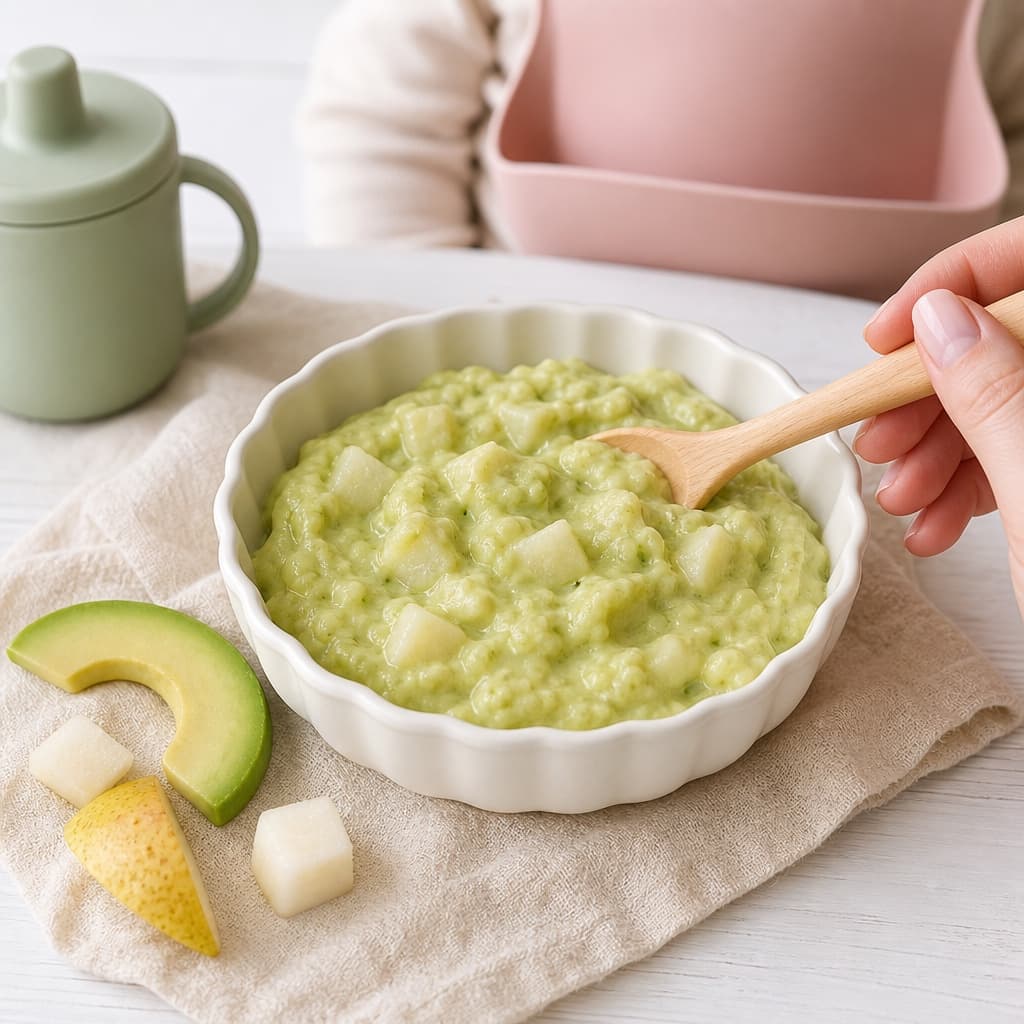
Avocado Pear Breakfast Mash
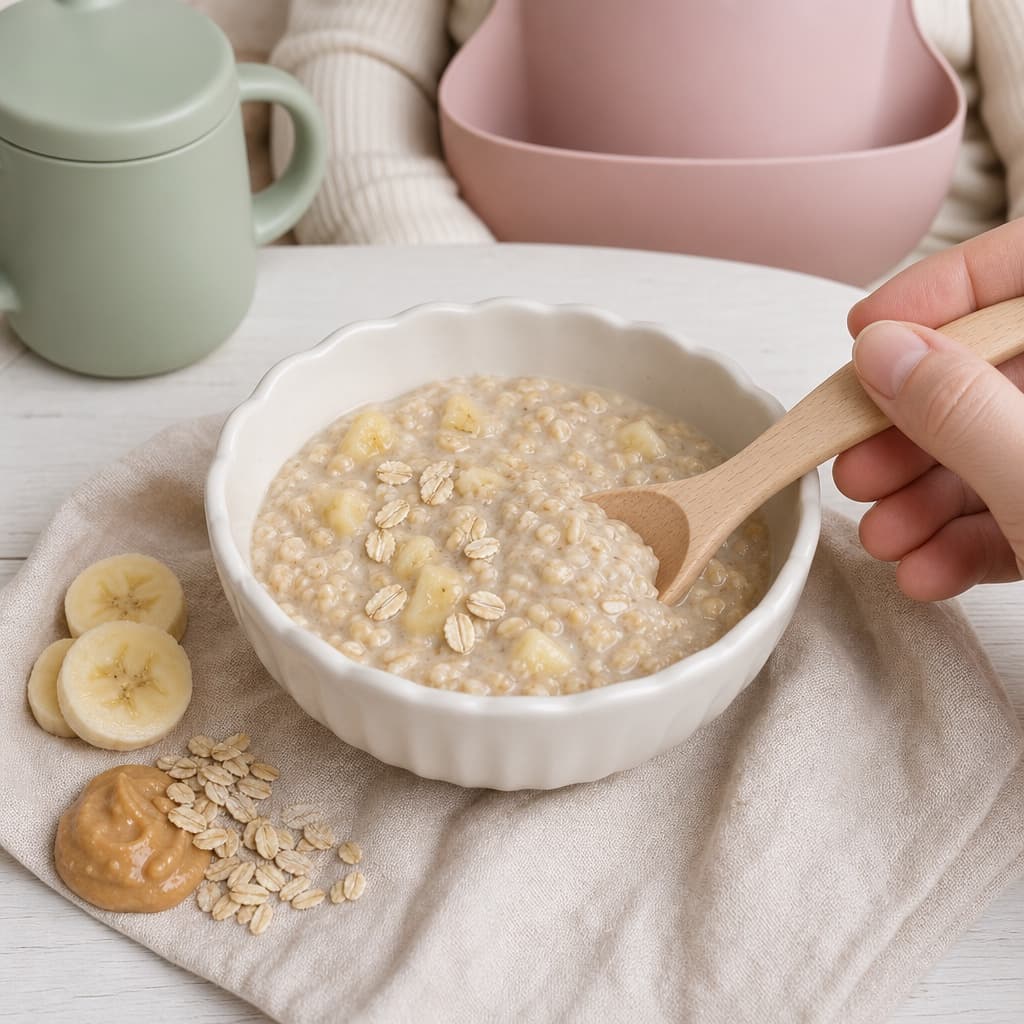
Thin Peanut Banana Oatmeal
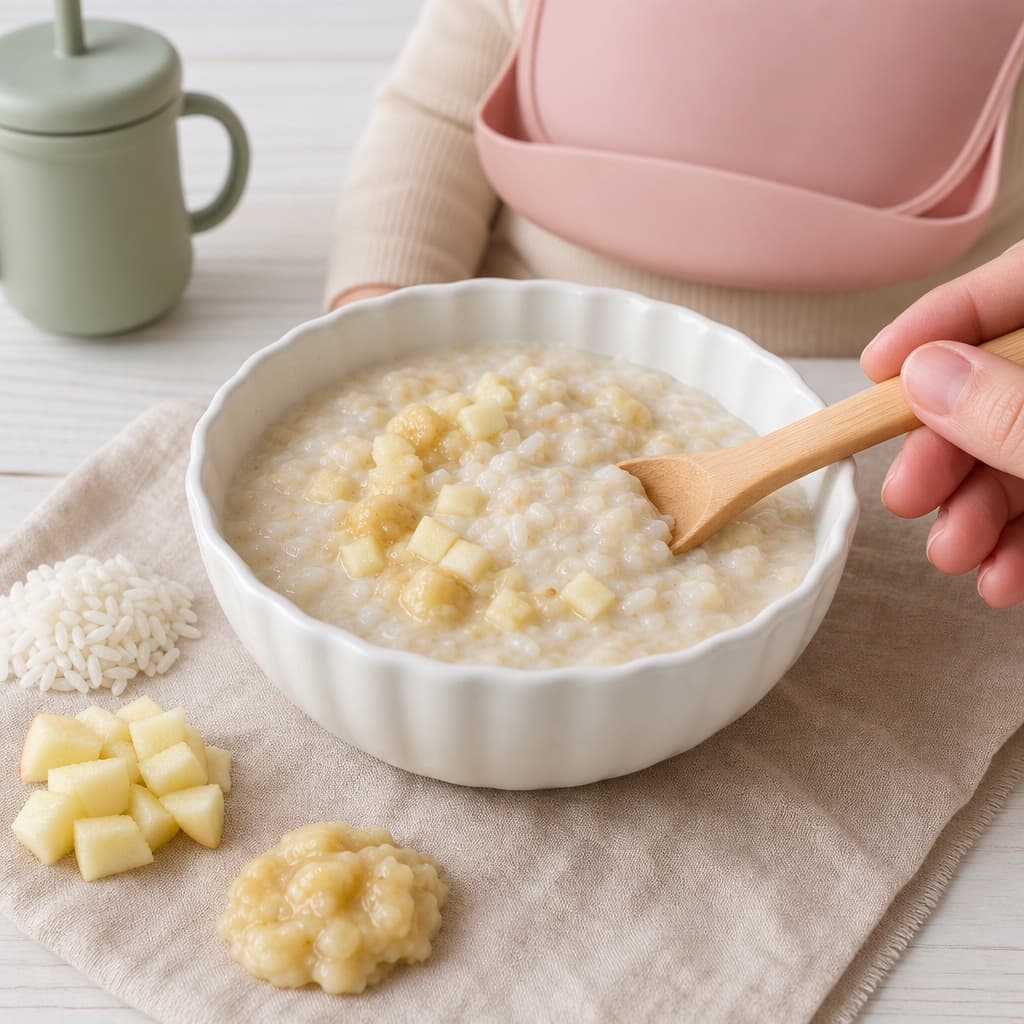
Coconut Rice Breakfast Pudding
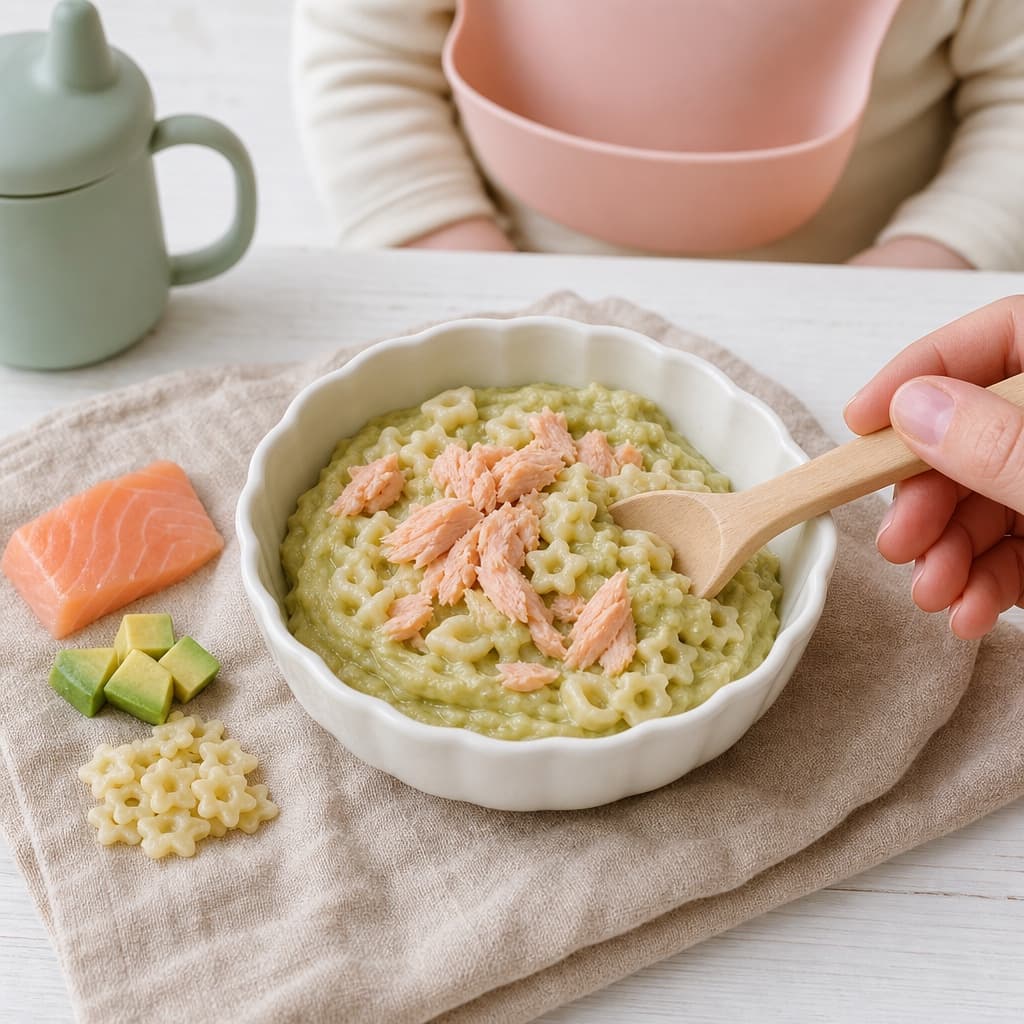
Salmon Avocado Pasta Bowl
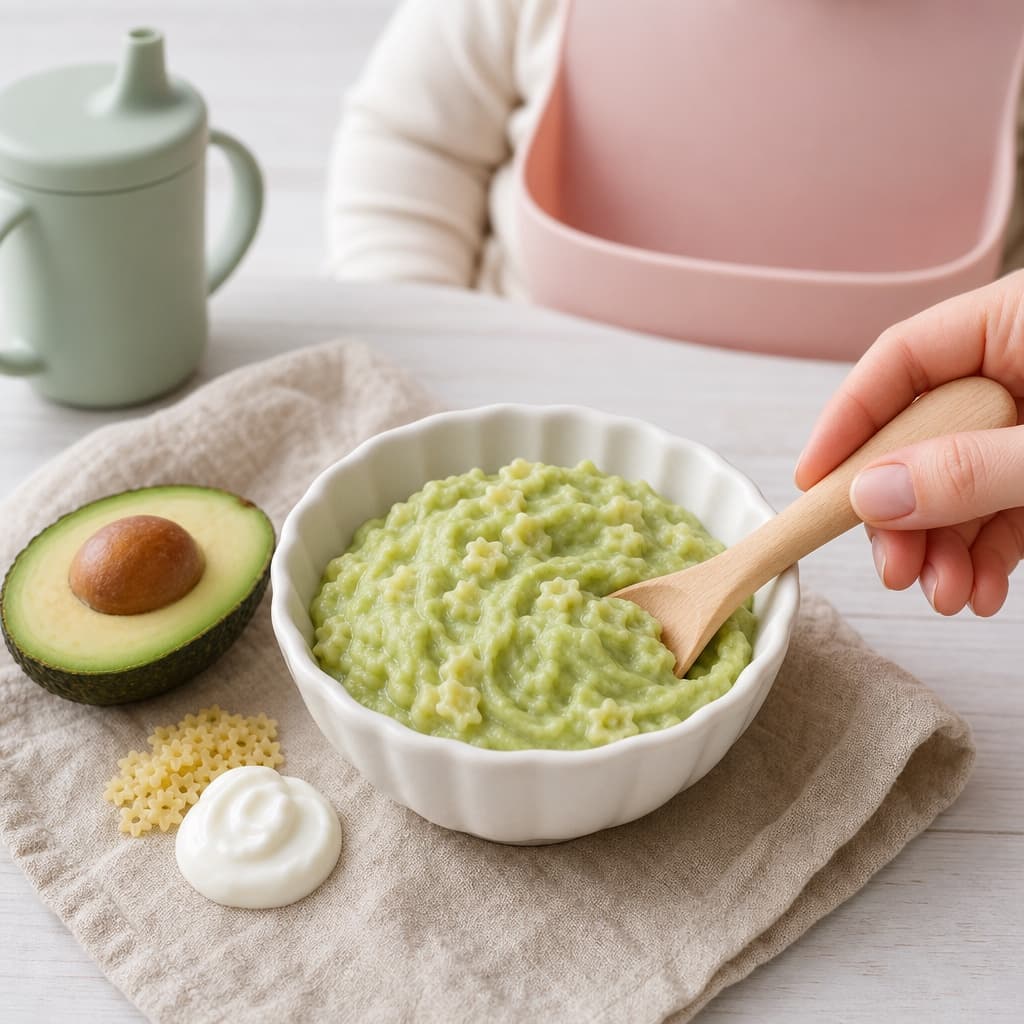
Creamy Avocado Pasta
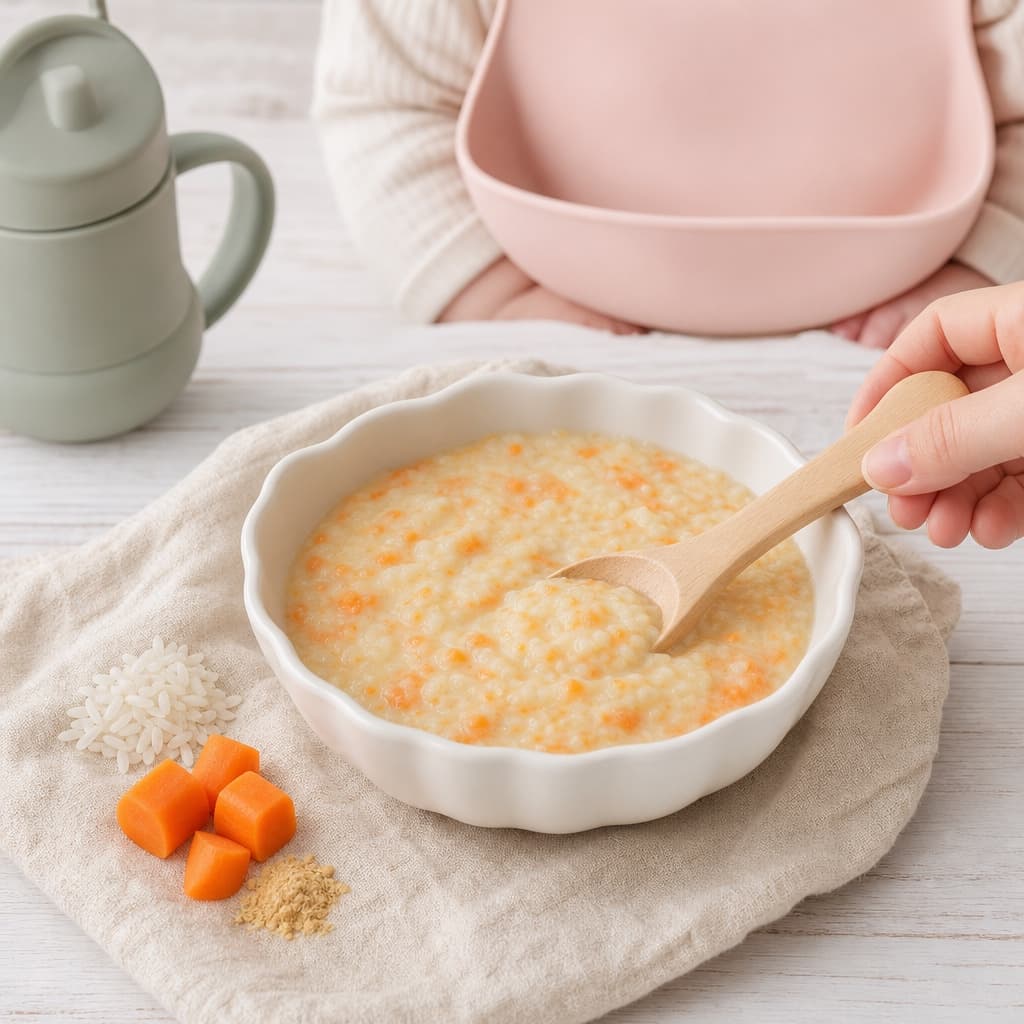
Coconut Carrot Rice Soup
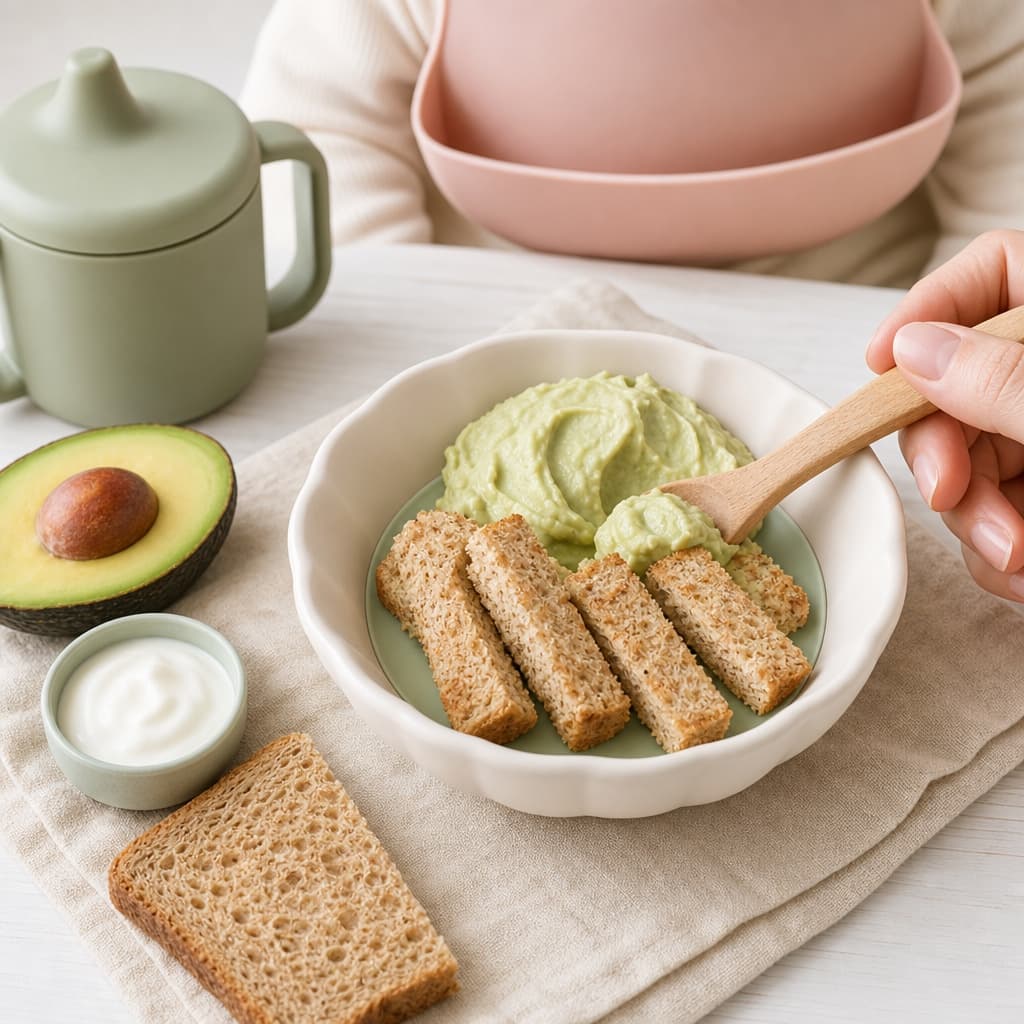
Avocado Yogurt Dip with Toast Strips
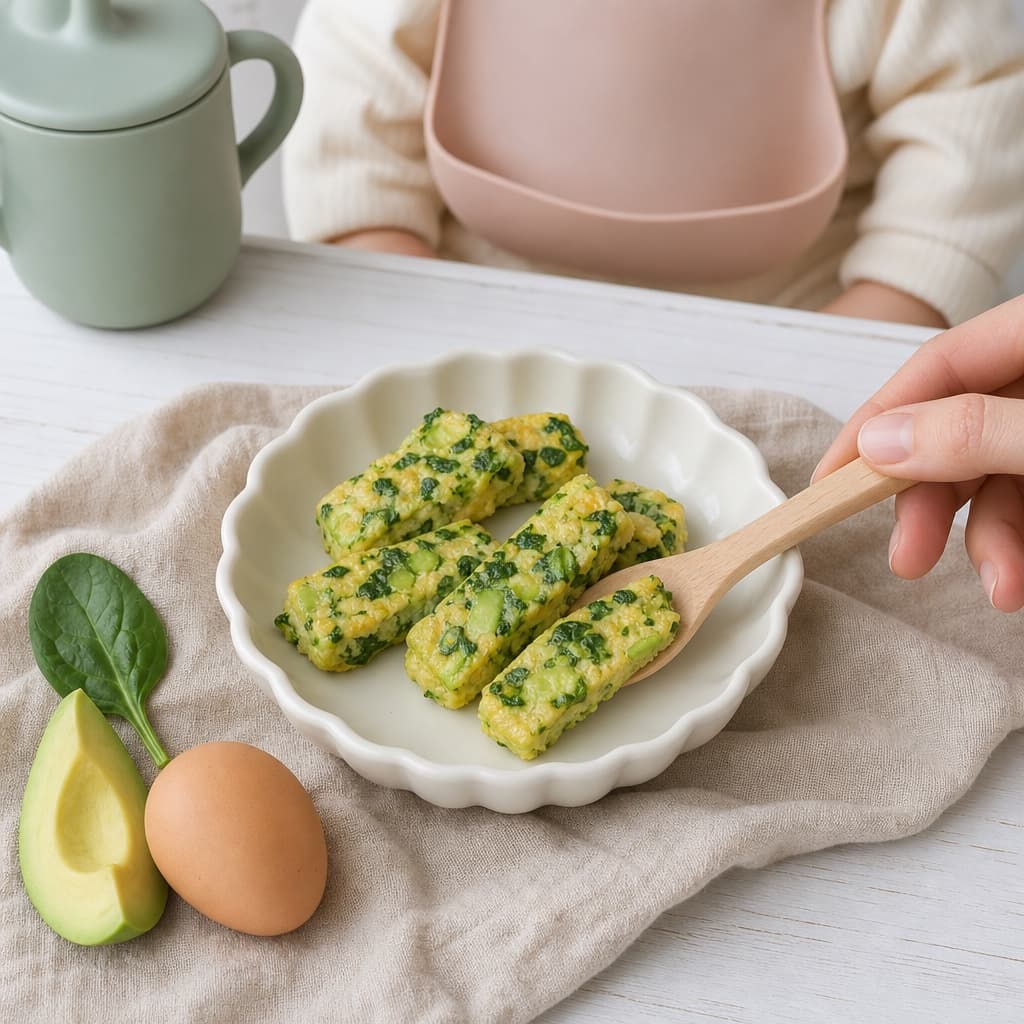
Avocado Egg Mini Bites
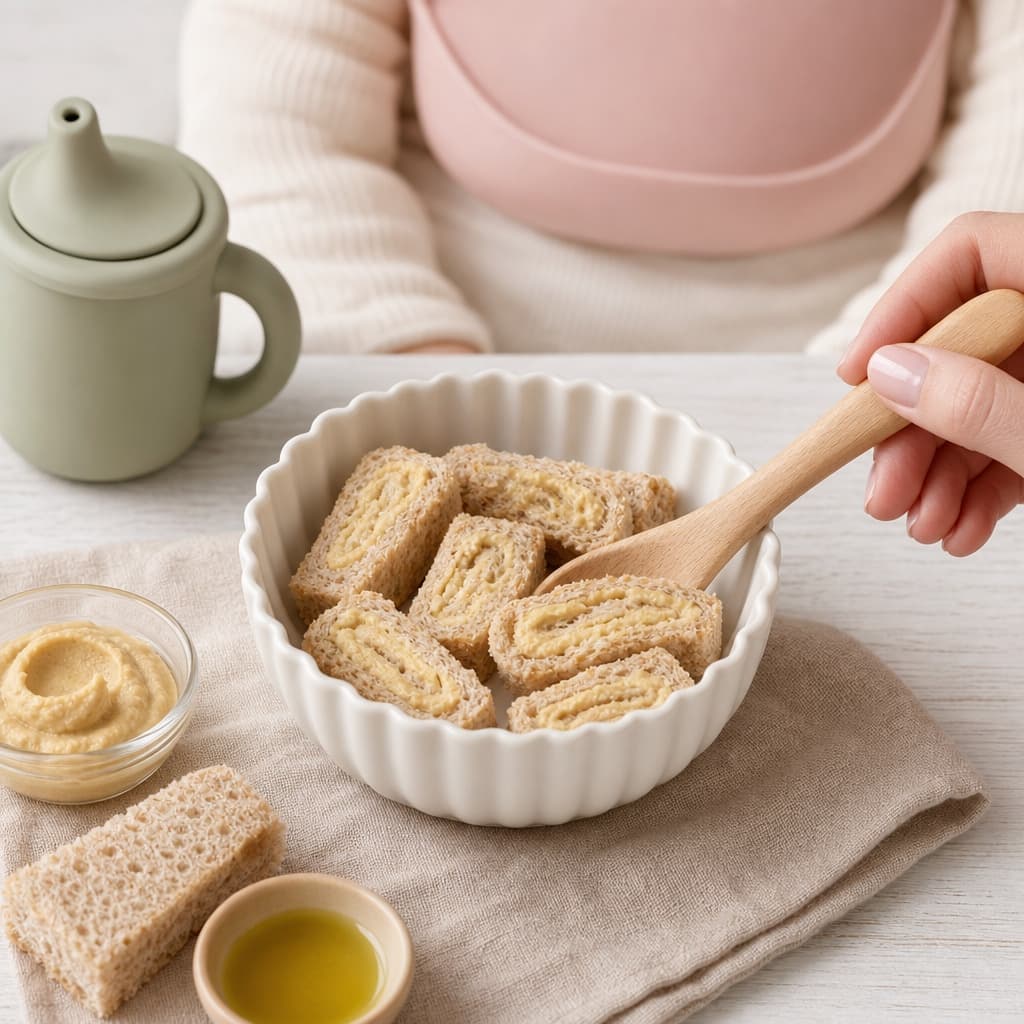
Soft Hummus & Bread Strips
Frequently Asked Questions
What are nutrition tags on baby recipes?
Nutrition tags highlight what a recipe delivers - iron-rich, high-protein, omega-3, fiber-rich, calcium-rich, healthy-fats, vitamin C, and more. They help you target specific nutrients your baby may need at a given stage.
Which nutrients matter most for babies starting solids?
Iron leads from 6 months (birth stores deplete; RDA is 11 mg/day at 7-12 months). Healthy fats (avocado, salmon, egg yolk) support brain development. Calcium and vitamin D matter from 6m for bone growth. Protein and zinc round out the priority list.
Should I track grams of nutrients for my baby?
No precise tracking needed. Aim for variety: include an iron-rich food at 1-2 meals, healthy fats daily, calcium-rich foods (yogurt, cheese, broccoli) regularly, and a wide range of fruits and vegetables. Consistency over a week matters more than any single meal.
What if my baby doesn't get enough iron through food?
Most babies meet iron needs through varied solids from 6 months. Breastfed babies are at higher risk than formula-fed (formula is iron-fortified). If iron intake stays low, your pediatrician may recommend an iron supplement or fortified cereal - not from food labels alone.
Are healthy fats important for babies?
Yes - fats supply ~50% of a baby's calories in the first year and are critical for brain development. Avocado, salmon, full-fat yogurt, olive oil, butter (after 12m for any added butter), and nut butters thinned to a safe consistency are all baby-appropriate sources.
What's the difference between heme and non-heme iron?
Heme iron (from animal foods) is absorbed at 15-35%; non-heme iron (from plants) at 2-20%. Pair plant iron with vitamin C foods (citrus, kiwi, tomato, bell pepper) to dramatically boost absorption. Avoid serving plant iron with cow's milk, dairy, or tea, which block absorption.