Dinner at 9 months: what to expect
Most 9-month-olds eat 3 meals a day with 1-2 small snacks, alongside about 3-4 milk feeds. The pincer grasp is getting precise and chewing is stronger, so mashed-with-lumps and soft finger food textures both work well. The AAP encourages letting babies set the pace and feed themselves as much as possible.
Dinner is family-meal adaptation hour. Cook one pot, remove baby's portion before adding salt or stock cubes, then soften and cut as needed. Aim to serve baby's dinner earlier than the adult sitting, ideally 60-90 minutes before bedtime, so tiredness does not shut down appetite. And skip the old advice to load baby up at night: night waking at this age is developmental, and a bigger dinner does not reliably buy more sleep.
Sample dinners from the family pot
- Soft pasta + unsalted tomato sauce + grated cheese + steamed broccoli florets
- Flaked salmon + sweet potato mash + soft green beans
- Lentil and vegetable stew + soft bread strip + squashed blueberries
- Shredded roast chicken + veggie mash bowl + roasted zucchini sticks
- Beef and carrot casserole + soft polenta + peas
- Tofu noodle bowl + steamed carrot sticks + pear slices
Easy dinner ideas for 9-month-olds
Soft pasta with unsalted tomato sauce
Well-cooked short pasta (fusilli, penne) tossed with a no-added-salt tomato and vegetable sauce. Take baby's portion out before seasoning the family pot.

Flaked salmon with sweet potato mash
Baked salmon checked carefully for bones, flaked into soft pieces, and served over mashed sweet potato. Rich in omega-3s and easy to pull from a family tray bake.
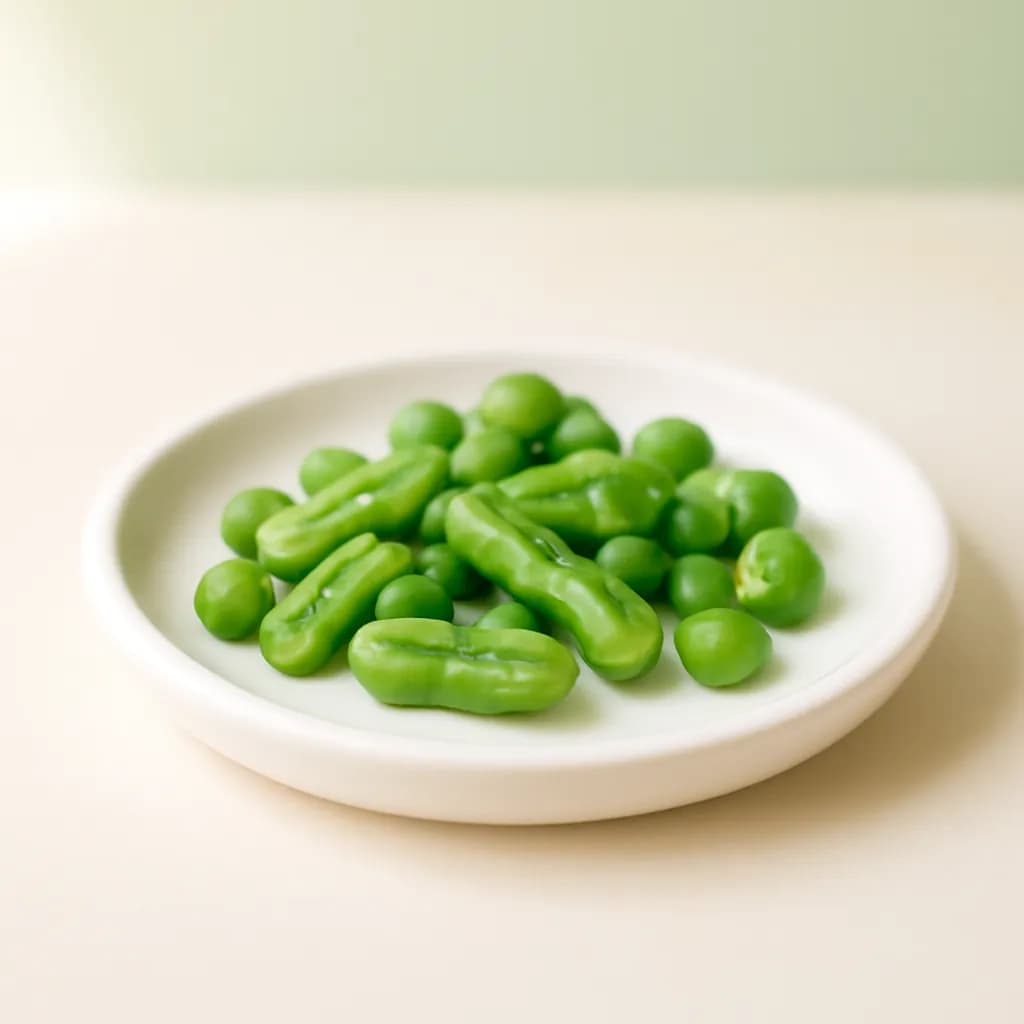
Veggie mash bowl
Potato, carrot, and peas mashed together with olive oil or unsalted butter. Leave some soft lumps for chewing practice and top with grated cheese for extra calories.

Shredded chicken from the family roast
Moist thigh or breast meat shredded into thin strips, served with whatever soft vegetables are already on the table. Plate baby's share before gravy or salt.

Lentil and vegetable stew
Red lentils simmered with carrot, zucchini, and tomato until soft and thick. Iron-rich, scales up for the whole family, and reheats well the next evening.

Slow-cooked beef and carrot casserole
Beef cooked low and slow until it shreds easily, with soft carrot chunks. Remove baby's portion before adding salt or wine to the family version.
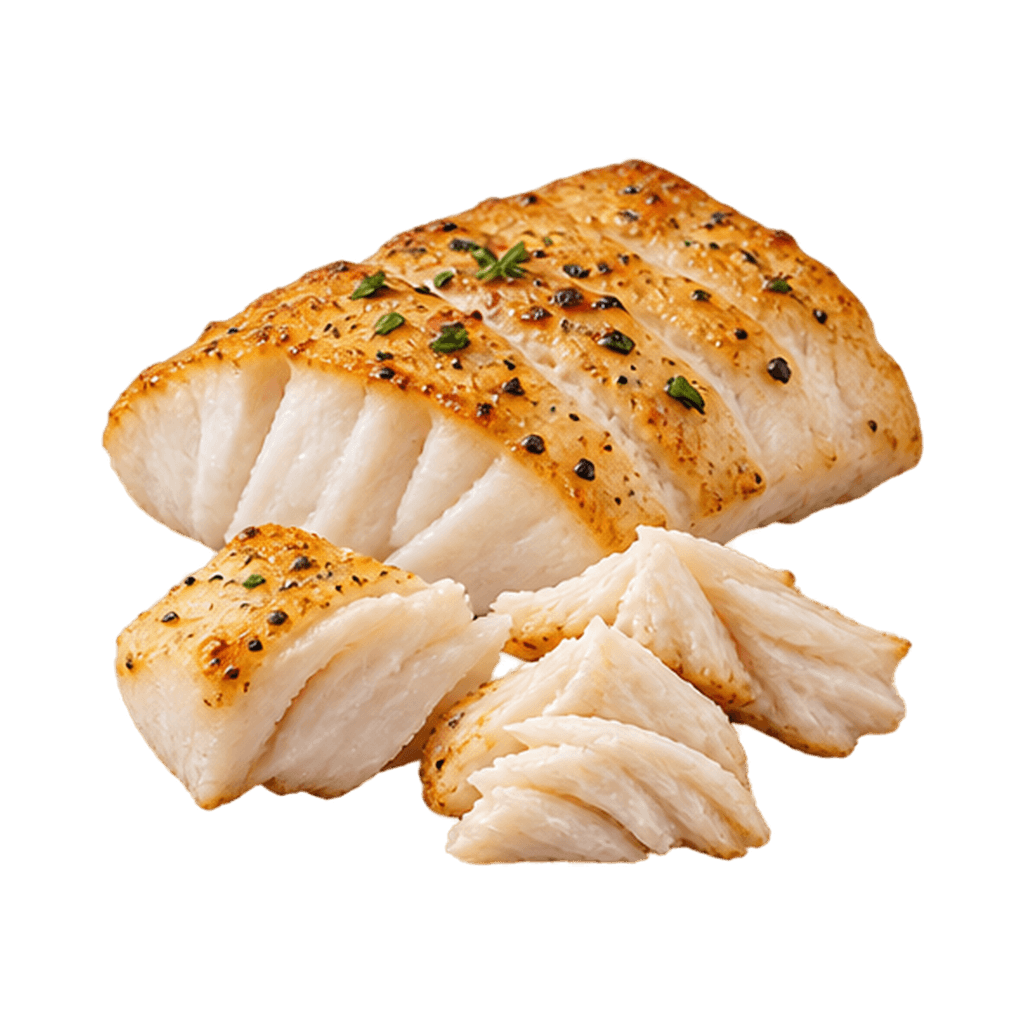
Flaked cod with soft rice
Mild white fish baked and flaked over well-cooked rice with a spoon of unsalted vegetable sauce. A gentle way to keep fish on the weekly menu.

Tofu and noodle bowl
Soft noodles with pan-warmed tofu cubes and finely chopped steamed vegetables. Skip the soy sauce in baby's bowl; a little sesame oil adds flavor instead.
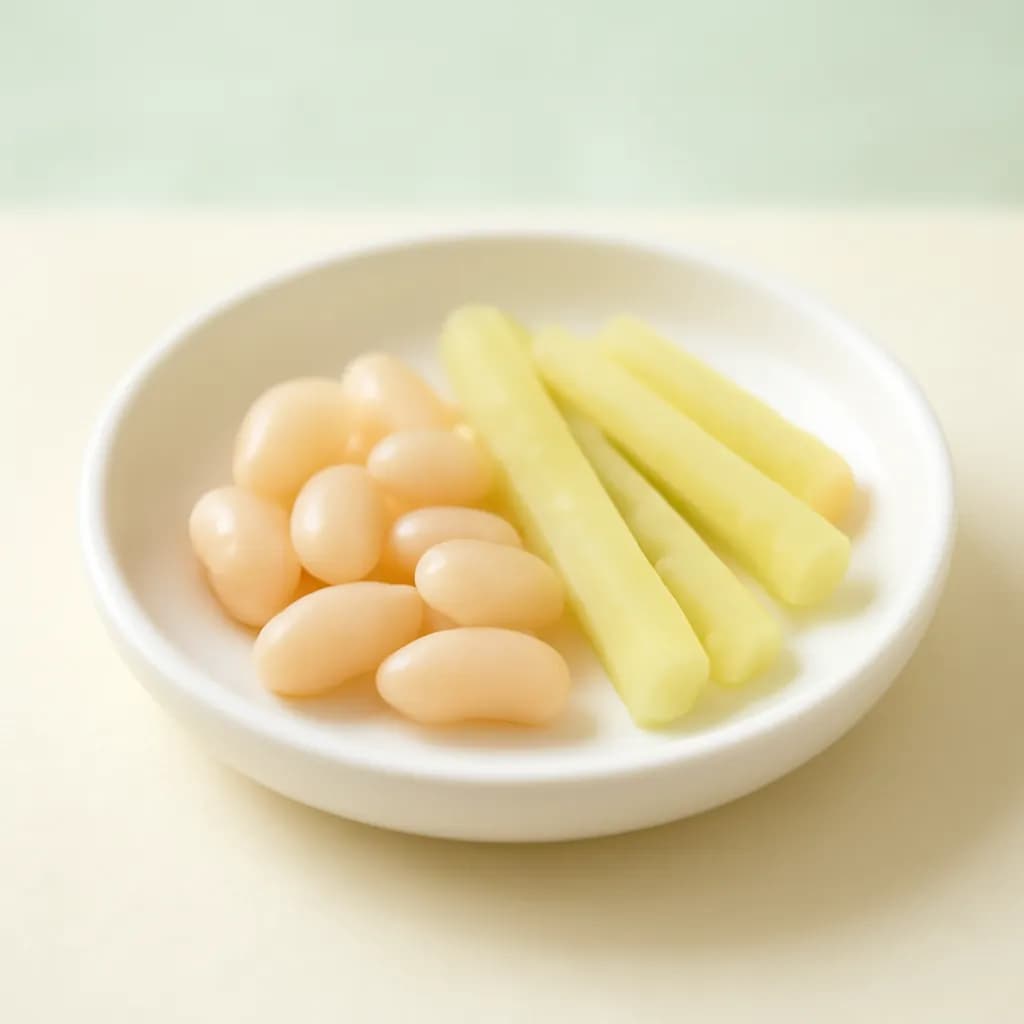
White bean and zucchini mash
White beans mashed with sauteed zucchini and a drizzle of olive oil, served with a soft bread strip for dipping. A fast meatless dinner from pantry staples.
Dinner safety tips for 9-month-olds
- Take baby's portion out of the family pot before adding salt, stock cubes, or honey glazes; honey stays off the menu until 12 months.
- Cut food into pea-sized soft pieces or thin strips, and halve or quarter round foods like grapes, blueberries, and cherry tomatoes.
- Check flaked fish carefully for bones and cook all fish, meat, and eggs fully through.
- Serve dinner with baby seated upright in the highchair and stay within arm's reach for the whole meal.
- Keep offering common allergens regularly at dinner; consistent exposure helps maintain tolerance.