What your 9 months old can do
Around 9 months, many babies are developing their pincer grasp, the ability to pick up small pieces of food between the thumb and forefinger. This is a big leap from the earlier palmar grasp, and it means your baby can start managing smaller, bite-sized pieces rather than only long strips. You may notice more accuracy as food actually makes it to the mouth.
Chewing is also improving, even before teeth arrive. Babies use their gums to mash soft foods, so texture matters more than the number of teeth. Most 9-month-olds can handle soft, mashable pieces and lumpier textures than they could a couple of months ago, which helps them learn to move food around their mouth safely.
Self-feeding at this age is messy and that is completely normal. Your baby is learning through touch, squishing, and dropping food, which all builds coordination. Continue to offer breast milk or formula alongside solids, since milk remains a key source of nutrition through the first year.
Best finger foods for a 9-month-old
Soft-cooked broccoli florets
Steam or boil until very tender so they mash easily against the gums. The little tree shape gives your baby a built-in handle to grip while practicing self-feeding.
Ripe banana pieces
Naturally soft and sweet, bananas are easy to gum. Cut into small chunks or short spears, and roll slippery pieces in a little baby cereal or ground oats to make them easier to grasp.
Roasted sweet potato cubes
Roast or steam until fork-soft, then cut into small, pincer-friendly cubes. Sweet potato is packed with vitamin A and has a naturally sweet flavor most babies enjoy.
Soft scrambled eggs
Well-cooked eggs are a great source of protein and healthy fats. Scramble softly with no added salt and break into small, fluffy curds your baby can pick up.
Small pasta shapes
Cook pasta such as fusilli, penne, or macaroni until very soft. The ridges and curves are easy for little fingers to hold, and you can toss with a little olive oil or smooth vegetable sauce.
Ripe avocado
Creamy avocado offers healthy fats that support brain development. Cut into small chunks and roll in ground oats or crushed baby cereal so slippery pieces are easier to grip.
Soft-cooked carrot sticks
Steam carrots until they squish easily between your fingers, never serve them raw or crunchy. Cut into short, thick sticks that are simple to hold and gum.
Shredded soft chicken
Cook chicken until tender and finely shred or cut into small, soft pieces. It provides iron and protein, and pieces can be moistened with a little unsalted broth to make them easier to swallow.
Soft ripe pear pieces
Choose very ripe pear or steam firmer fruit until soft. Cut into small chunks that mash easily. Pears are gentle on tummies and offer a mild, naturally sweet taste.
Well-cooked black beans or lentils
Cook beans and lentils until very soft, then lightly mash to reduce their round shape. They are rich in iron and fiber and make a great plant-based protein for little ones.
Small pieces of soft toast fingers
Lightly toast wholegrain bread so it holds together but is not hard, then cut into thin strips. You can add a thin scrape of mashed avocado or smooth nut butter (never a thick layer).
Soft cheese cubes
Small cubes of pasteurized mild cheese, such as cheddar, provide calcium and protein. Cut into tiny, soft pieces that are easy to gum and manage.
Sample meals
- ★Soft scrambled eggs with steamed broccoli florets and banana pieces
- ★Small soft pasta shapes with smooth tomato and vegetable sauce plus soft cheese cubes
- ★Shredded soft chicken with roasted sweet potato cubes and cooked carrot sticks
- ★Mashed black beans with avocado chunks and soft toast fingers
- ★Soft toast strips with a thin scrape of nut butter, ripe pear pieces, and plain yogurt
Safety tips
- ✓Always seat your baby upright in a high chair and stay within arm's reach during every meal. Never let your baby eat while lying down, walking, or in a moving car seat.
- ✓Cook firm fruits and vegetables until they are soft enough to squish between your finger and thumb. Round foods like grapes, cherry tomatoes, and blueberries should be quartered lengthwise, and avoid whole nuts, popcorn, and hard raw veggies.
- ✓Do not add salt, sugar, or honey to your baby's food. Honey should be avoided entirely before 12 months due to the risk of infant botulism, and babies' kidneys cannot handle much salt.
- ✓Learn the difference between gagging and choking. Gagging is a noisy, normal reflex that helps your baby learn to eat, while choking is silent. Consider taking an infant first aid or CPR course.
- ✓Introduce common allergens like eggs, dairy, and peanut (as a thin smear of smooth peanut butter, never whole nuts) one at a time and watch for any reaction.
When to talk to your doctor
Check in with your pediatrician if your baby consistently refuses solids, is not gaining weight as expected, gags or chokes frequently, or shows signs of an allergic reaction such as a rash, swelling, vomiting, or trouble breathing. Your doctor can also help if you have concerns about your baby's development, iron intake, or feeding progress.
Finger food ideas to try
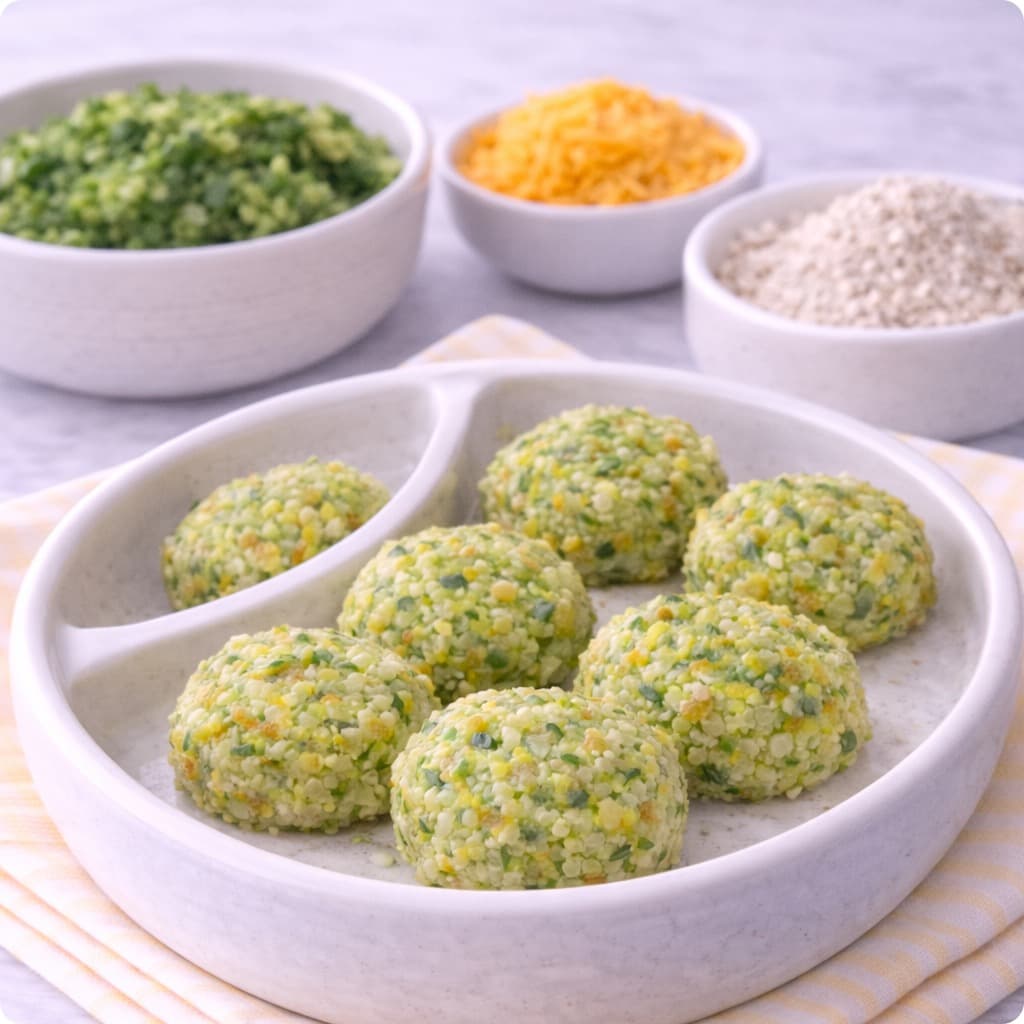
Broccoli Cheese Patties
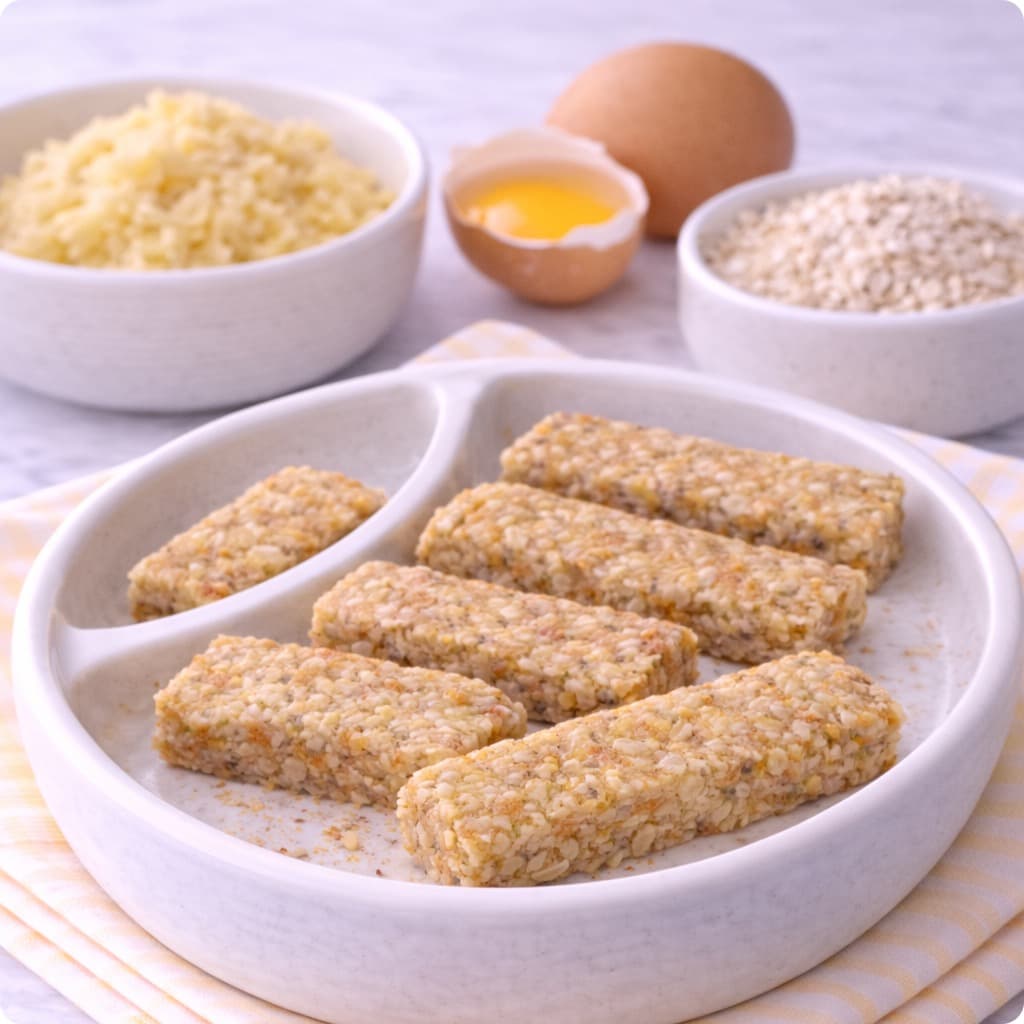
Apple Oat BLW Bars

Lentil Veggie Nuggets
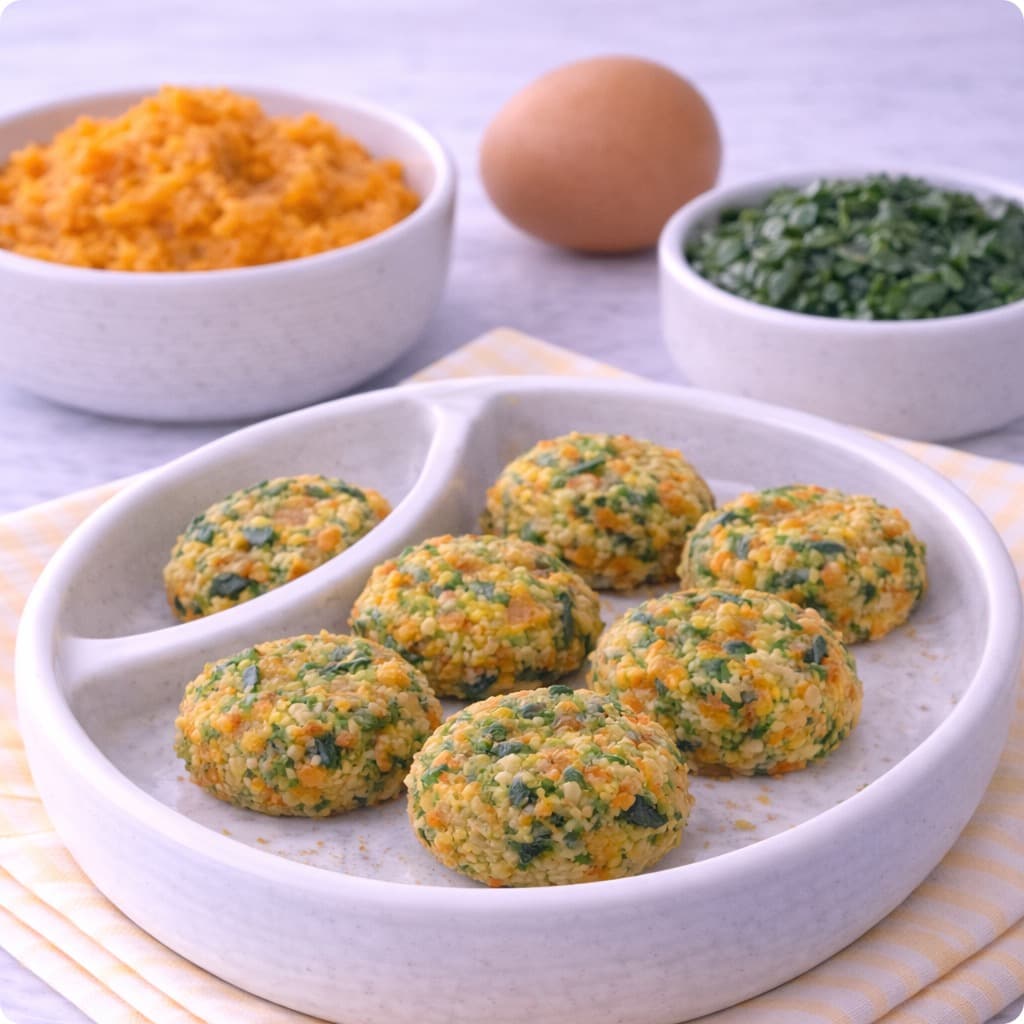
Sweet Potato Spinach Fritters
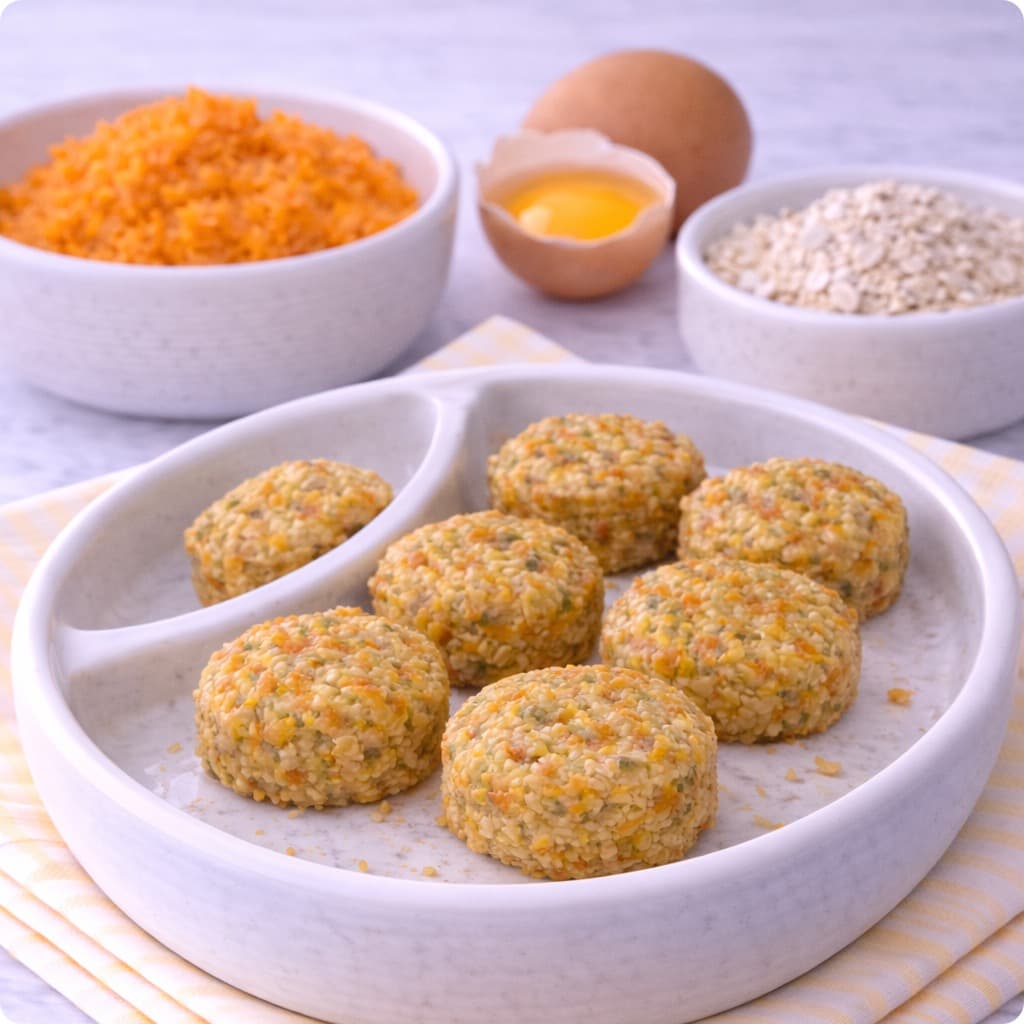
Carrot Oat BLW Muffins
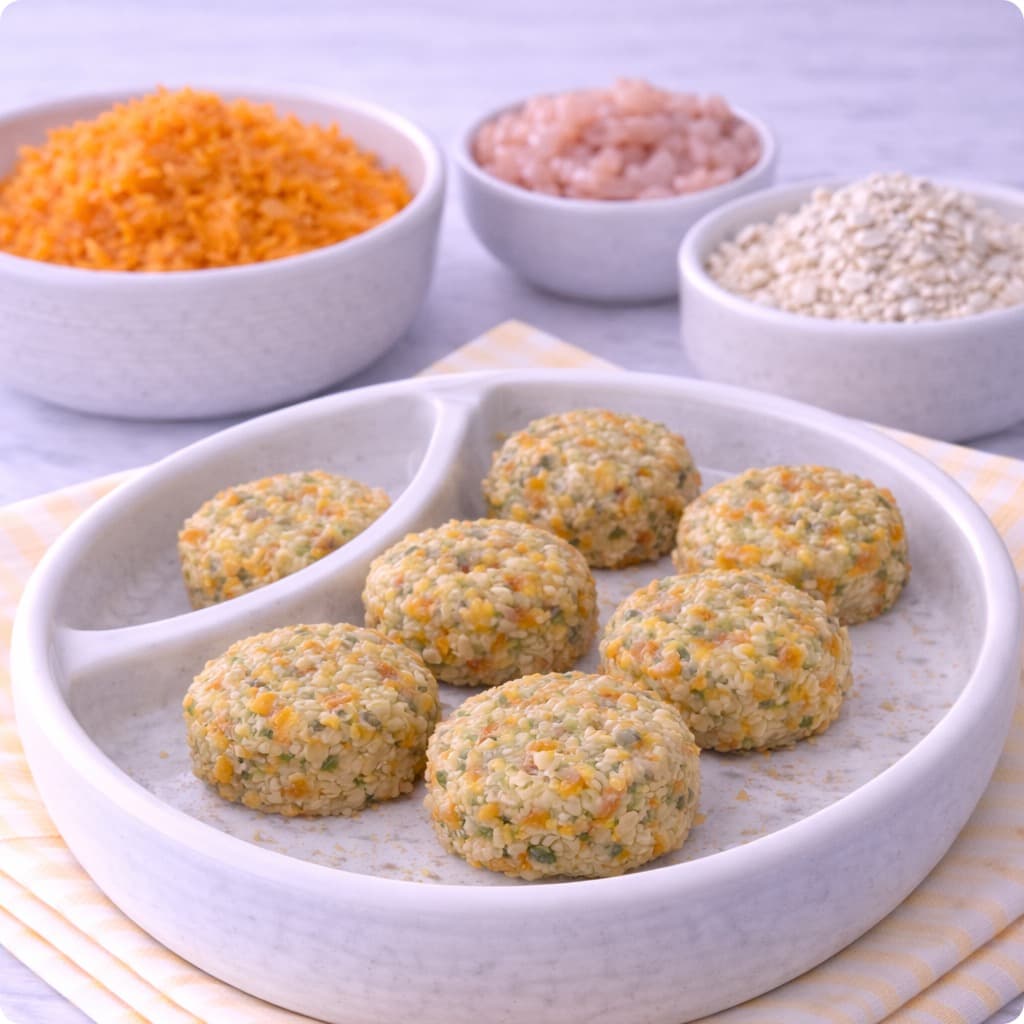
Chicken Veggie Nuggets
Frequently asked questions
What finger foods can I give my 9-month-old?
Great options include soft-cooked broccoli and carrots, ripe banana, roasted sweet potato, soft scrambled eggs, small soft pasta, avocado, shredded chicken, mashed beans, and small cubes of soft cheese. Everything should be soft enough to squish easily between your fingers and cut into pincer-friendly sizes.
How many times a day should a 9-month-old eat solids?
Most 9-month-olds eat around three meals a day, and some also enjoy one or two small snacks. Breast milk or formula is still an important part of their diet, so continue offering milk feeds alongside solid foods throughout the day.
Is my 9-month-old ready for finger foods without many teeth?
Yes. Babies chew and mash soft foods with their gums, so teeth are not required for finger foods. As long as foods are cooked soft and cut into safe, manageable pieces, most 9-month-olds can handle self-feeding even with few or no teeth.
How do I know if my baby is choking or just gagging?
Gagging is loud and normal, often with coughing or sputtering, and it helps push food forward as your baby learns to eat. Choking is silent, with no sound or effective coughing, and needs immediate action. Learning infant CPR and first aid is a good idea before starting finger foods.
What foods should I avoid giving my 9-month-old?
Avoid choking hazards such as whole grapes, whole nuts, popcorn, hard raw fruits and vegetables, and large chunks of meat or cheese. Also skip honey until age one, along with added salt and sugar. Round foods should always be cut into small quarters.
How much should a 9-month-old eat at each meal?
There is no set amount, since appetite varies from baby to baby and day to day. Offer a small variety of foods and let your baby decide how much to eat. Watch for fullness cues like turning away, closing the mouth, or pushing food away, and follow your baby's lead.
Can my 9-month-old eat the same food as the family?
Often yes, with a few tweaks. Serve your baby's portion before adding salt, sugar, or hot spices, and make sure the texture is soft and pieces are cut to a safe size. Sharing family meals is a wonderful way for your baby to learn to enjoy a variety of foods.
Finger foods + a plan made for your baby
200+ age-matched finger foods with built-in cutting guides, plus a feeding schedule and recipes tailored to your baby's stage.
verifiedSources & References
This guide is informed by current guidelines from leading health organizations: