Lunch at 9 months: what to expect
Nine-month-olds are usually eating 3 meals a day plus 3-4 milk feeds, and lunch is prime time for practice: picking up pea-sized pieces with the pincer grasp, dipping strips into hummus or yogurt, and managing lumpy grain bowls with a preloaded spoon. Expect mess; it is how babies learn to self-feed.
Iron remains the priority nutrient. The American Academy of Pediatrics recommends iron-rich foods daily in the second half of the first year, and pairing them with vitamin C improves absorption from plant sources. Think lentils with tomato, beans with broccoli, or turkey with a side of strawberry pieces.
Easy lunch ideas for 9-month-olds
Hummus with soft veggie strips
Plain, low-salt hummus served as a dip for steamed carrot or zucchini strips, or spread on toast fingers. Chickpeas add plant iron and protein.
Mashed quinoa bowl
Cooked quinoa lightly mashed with avocado or an unsalted vegetable sauce so it holds together on a spoon. A gentle way into grain bowls.
Shredded turkey
Moist, slow-cooked turkey shredded into soft strands or minced into small pieces. An easy iron-rich anchor for lunch plates.
Lentil mash or soft lentil patties
Red lentils cooked thick and mashed, or shaped into soft baked patties for self-feeding. No salt added.
Tofu cubes
Firm tofu in bite-size cubes, plain or lightly pan-warmed. Soft, iron-rich, and easy for a pincer grasp.
Steamed carrot sticks
Carrot sticks steamed until they squish easily between two fingers. Great dippers for hummus or yogurt.
Pasta with tomato sauce
Well-cooked pasta shapes in an unsalted tomato sauce. The vitamin C in tomato helps iron absorption from plant foods at the same meal.
Flaked salmon with sweet potato
Baked salmon flaked small, all bones removed, alongside soft sweet potato pieces. Omega-3s plus easy self-feeding practice.
Lightly mashed peas
Steamed peas gently flattened or mashed so they are safe and scoopable. A quick green side with plant iron of its own.
Soft beef pieces
Slow-cooked beef shredded or minced until very tender. One of the richest iron sources you can put on a lunch plate.
Sample lunches for a 9-month-old
- ★Hummus + steamed carrot sticks + toast fingers + strawberry pieces
- ★Mashed quinoa bowl with avocado + shredded turkey + quartered blueberries
- ★Pasta with tomato sauce + soft beef pieces + steamed zucchini sticks
- ★Lentil patties + lightly mashed peas + soft peach pieces
- ★Flaked salmon + sweet potato pieces + steamed broccoli florets
- ★Tofu cubes + rice lightly mashed with tomato sauce + pear slices
Lunch safety tips for 9-month-olds
- ✓Always supervise, with baby seated upright in a highchair; never leave a self-feeding baby alone with food.
- ✓Cut food into pea-sized soft pieces or finger-length strips, and halve or quarter anything round like grapes, blueberries, and cherry tomatoes.
- ✓Cook vegetables until soft enough to squish between two fingers; raw carrot and apple are still too hard at this age.
- ✓Keep meals low in salt: choose low-salt hummus, unsalted sauces, and season baby's portion after plating yours.
- ✓No honey before 12 months because of the risk of infant botulism, and keep offering introduced allergens regularly.
When to call your pediatrician
Call your pediatrician for any allergic reaction (hives, swelling, vomiting, wheezing), refusal of nearly all solids for many days, coughing or gagging that regularly ends in vomiting, no progress with lumpy textures or finger foods by around 10 months, or concerns about growth. A true choking episode or any trouble breathing is an emergency: call your local emergency number right away.
Lunch recipes for 9-month-olds
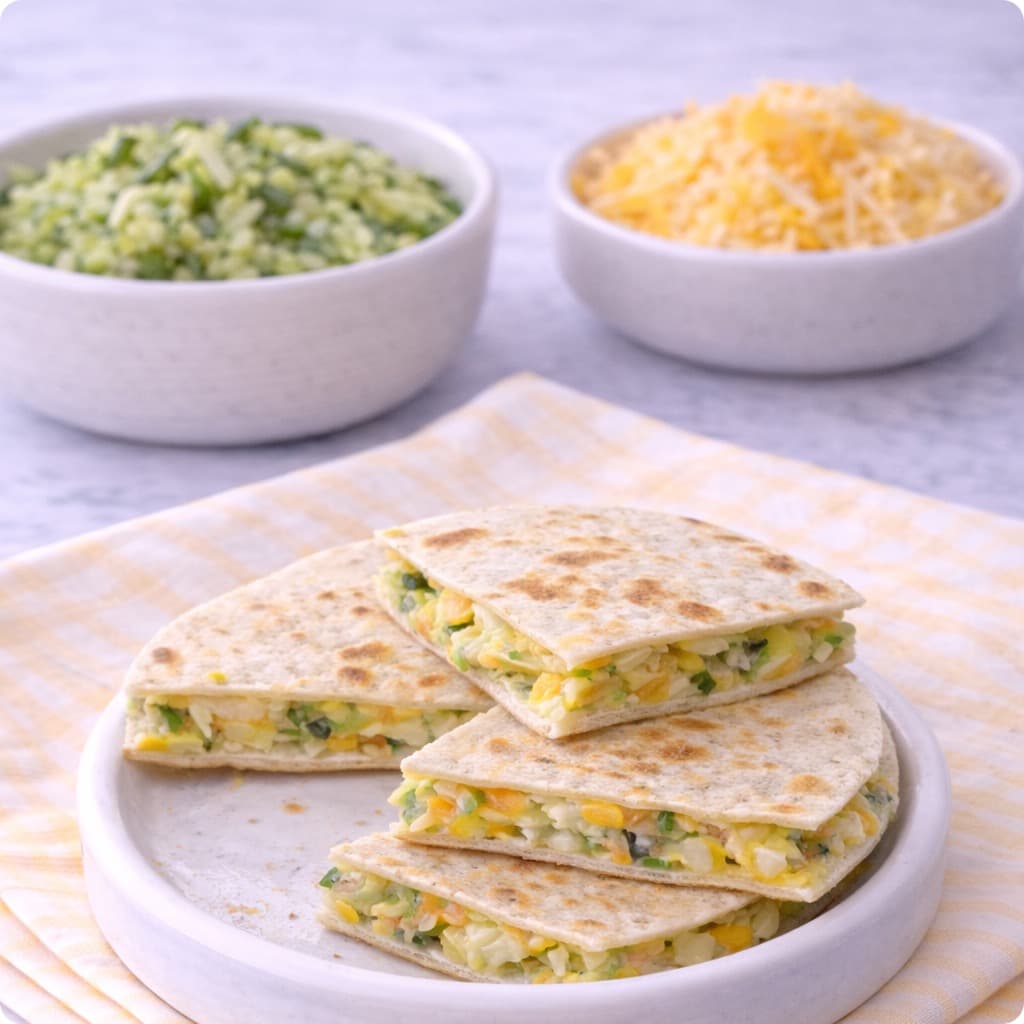
Mini Veggie Quesadilla
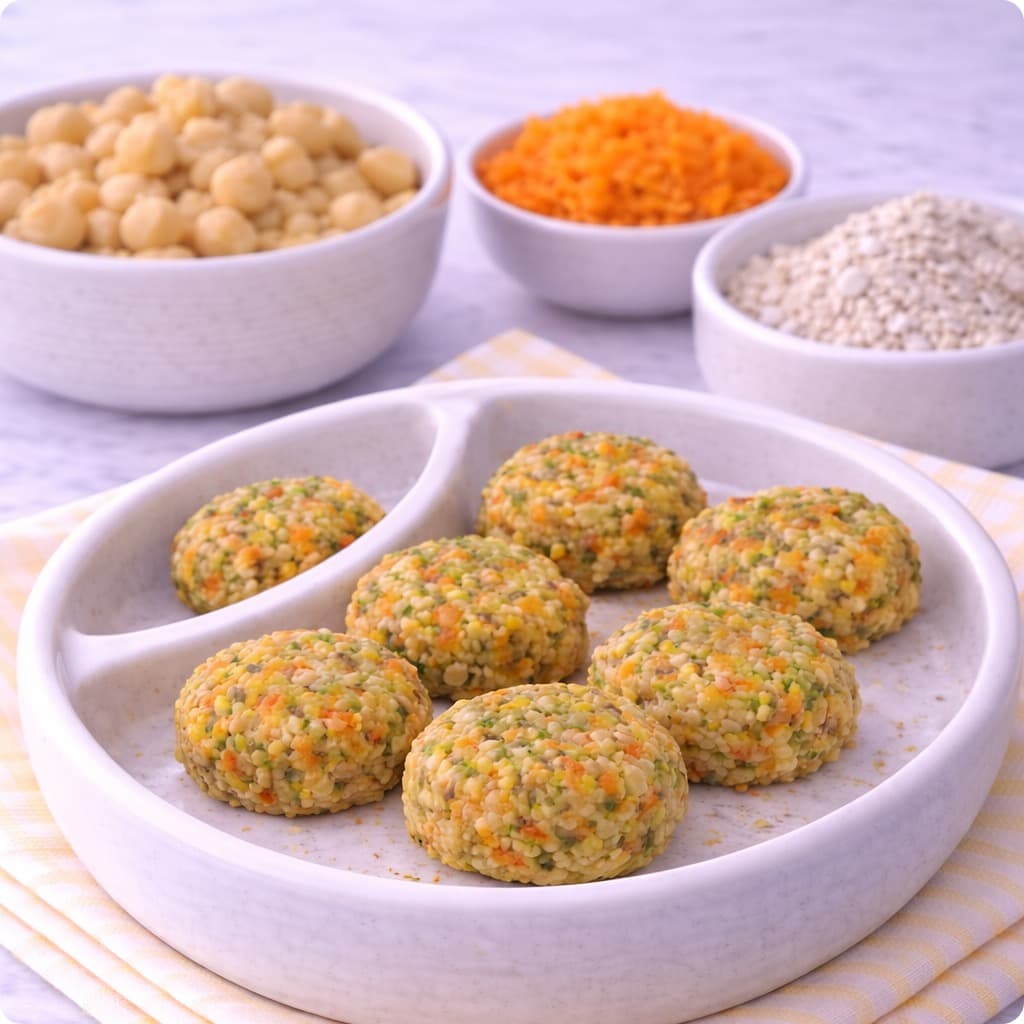
Baby Falafel Patties
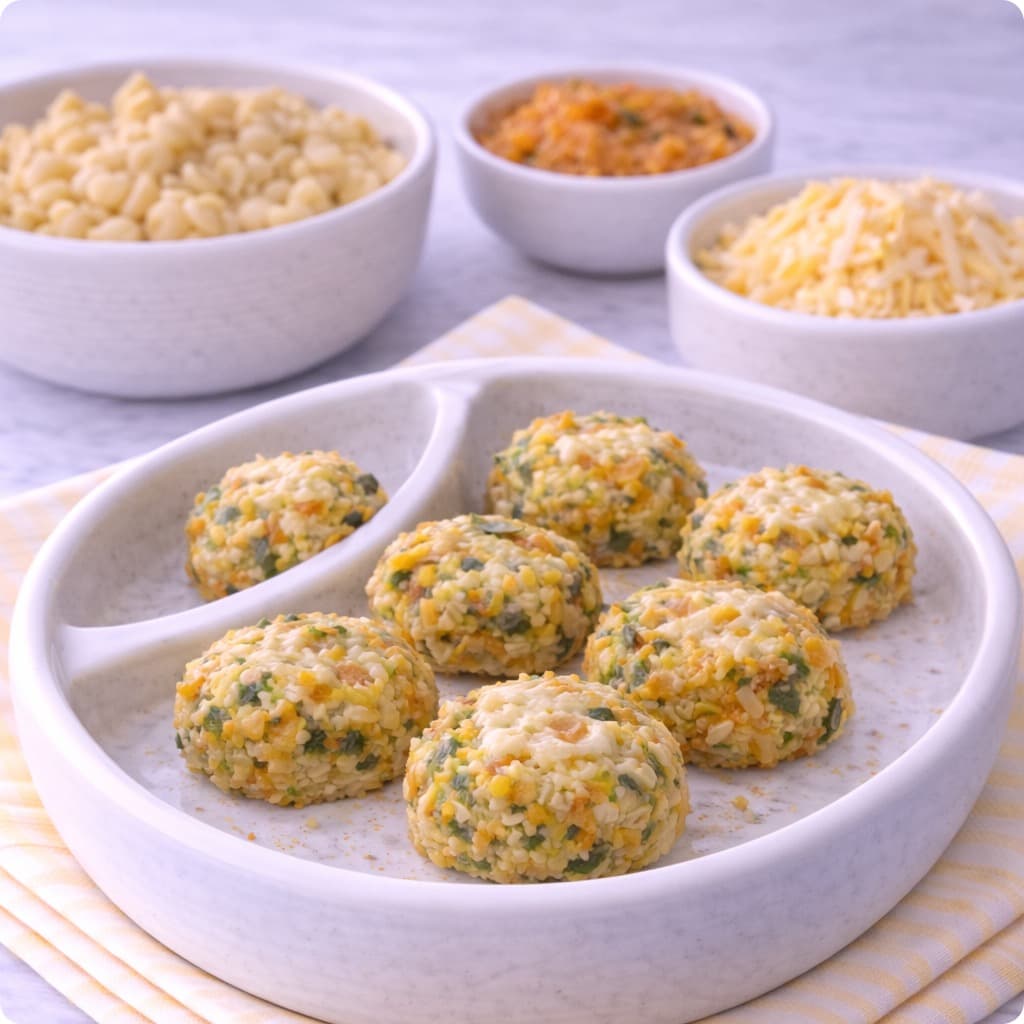
Mini Veggie Pasta Bake Bites
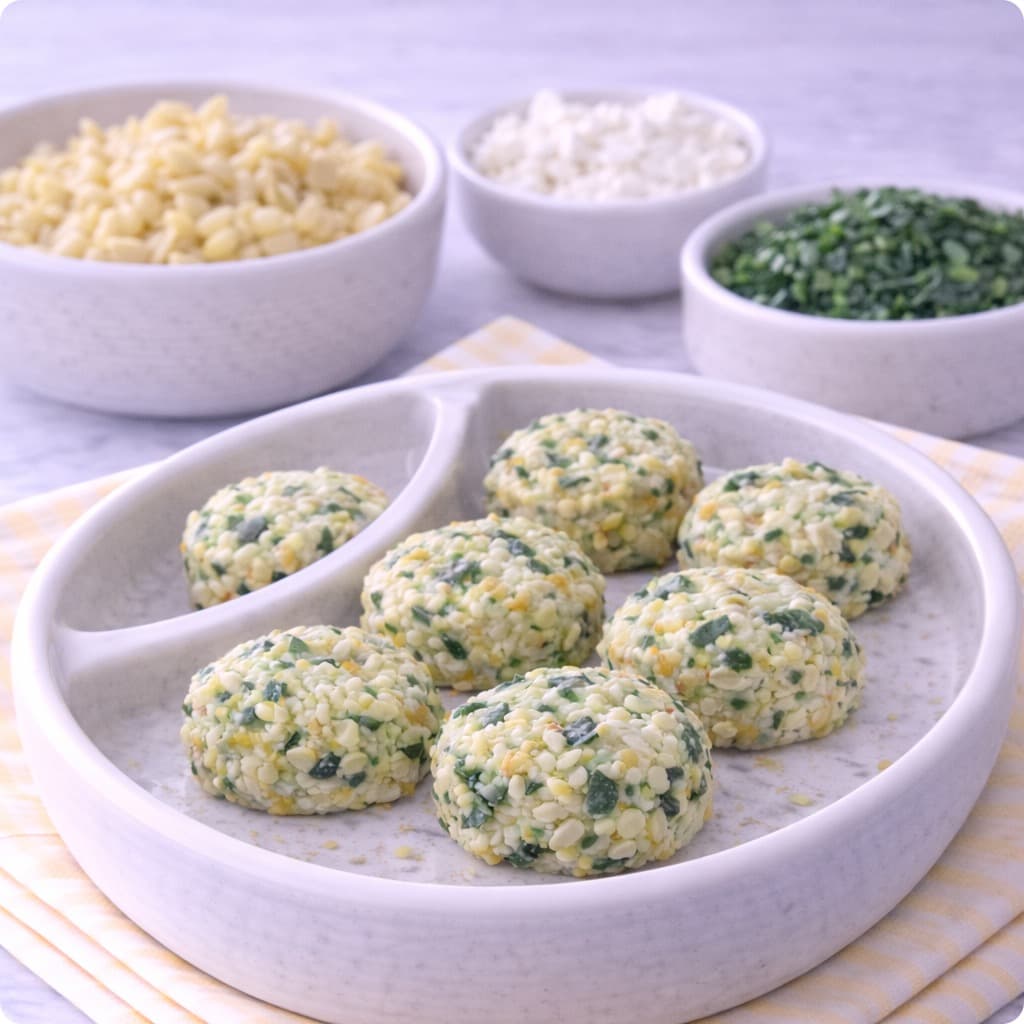
Spinach Ricotta Pasta Bites
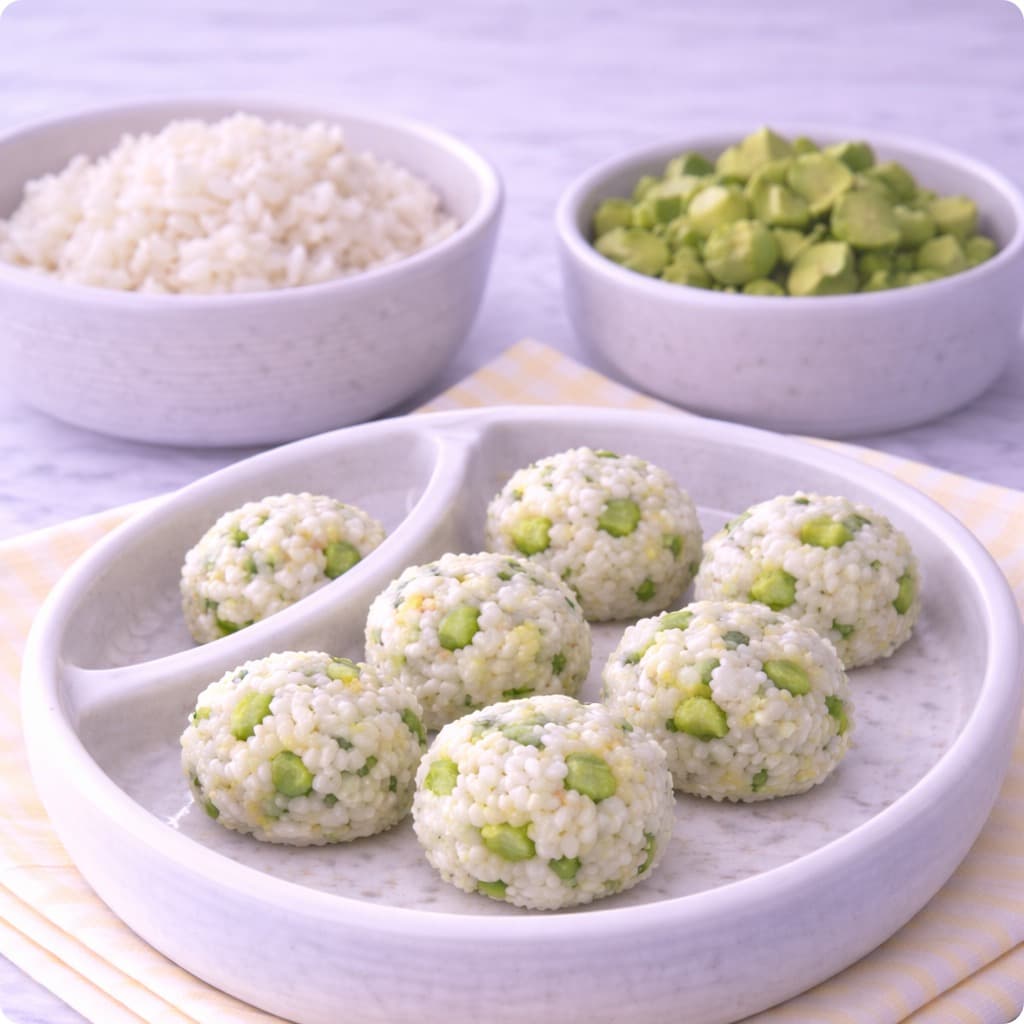
Baby Sushi Rice Balls
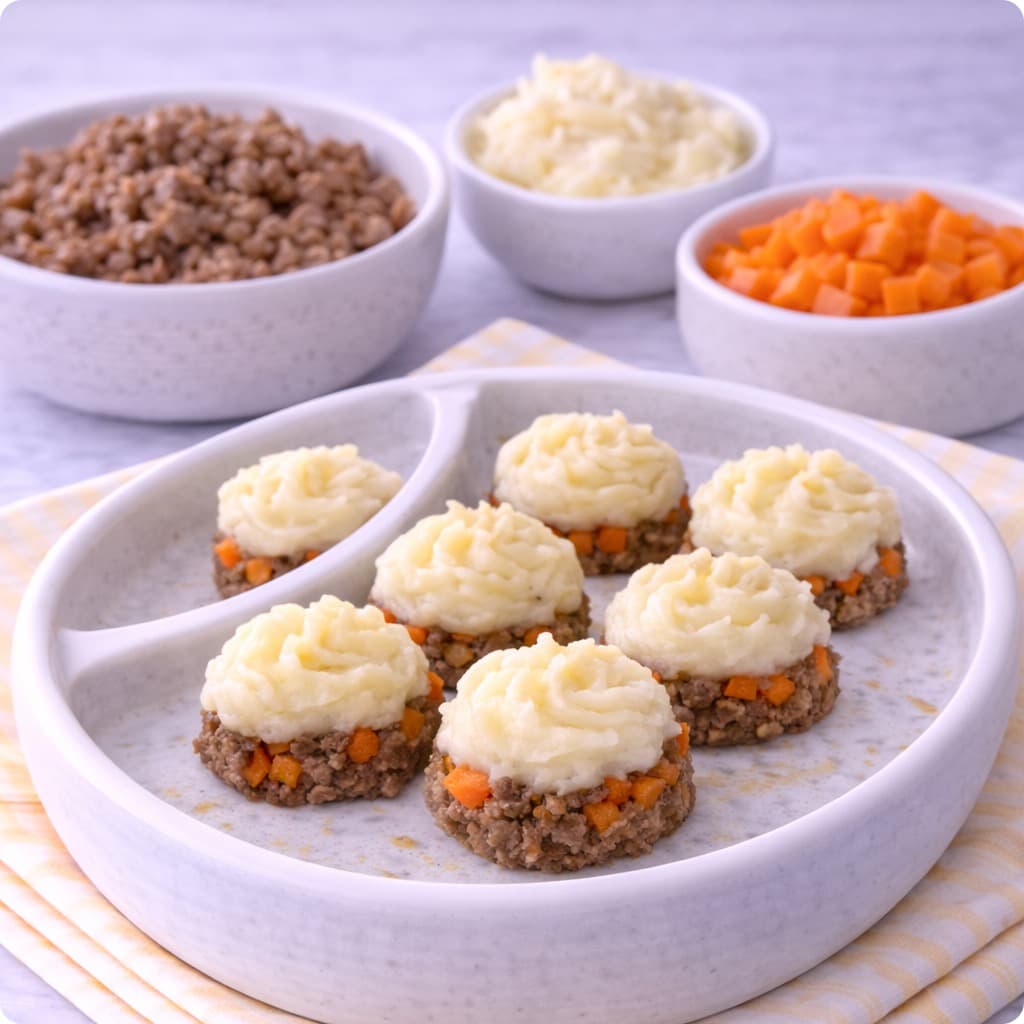
Mini Shepherd's Pie Bites
Frequently asked questions
How much lunch should a 9-month-old eat?
Roughly 4-8 tablespoons across the meal is typical, but normal intake ranges widely and varies day to day. Offer an iron food, a vegetable or fruit, and an energy food, then let your baby decide how much of it to eat. Fullness cues, not the plate, end the meal.
What is the iron and vitamin C pairing, and does it matter?
Vitamin C meaningfully increases how much iron the body absorbs from plant foods like lentils, beans, and tofu. In practice, just put both on the plate: lentils with tomato sauce, hummus with strawberry pieces on the side, or beans with broccoli. With meat and fish the pairing is a bonus rather than a requirement.
Can my 9-month-old have hummus every day?
Plain, low-salt hummus is fine as a regular lunch food; chickpeas and tahini offer protein, plant iron, and healthy fats. Check labels since sodium varies widely between brands, or make your own without salt. Sesame is an allergen, so introduce it deliberately and then keep it in rotation.
Should lunch still include purees at 9 months?
Smooth purees should be fading now. The NHS advises moving through mashed and lumpy textures toward finger foods around this age, because staying on smooth textures too long can make lumps harder to accept later. Thick mashes on a preloaded spoon plus soft finger foods is the sweet spot.
What can I pack for lunch on the go or at daycare?
Sturdy, no-reheat options travel best: hummus with soft veggie strips, pasta spirals with olive oil, lentil patties, tofu cubes, banana, and quartered blueberries. Pack food in an insulated bag with an ice pack, and share your daycare's choking-safety cutting guidelines with anyone feeding your baby.
Get your baby's personalized feeding plan
A daily feeding schedule, 350+ age-matched recipes, allergen tracking and cutting guides - all tailored to your baby's age in the Nibli app.
verifiedSources & References
This guide is informed by current guidelines from leading health organizations: