What your 10 months old can do
Around 10 months, many babies are refining their pincer grasp, using the thumb and forefinger to pick up smaller pieces of food. This is a big step from the earlier palmar grasp, and it means your baby can now handle things like peas, small pasta shapes, and soft diced fruit rather than only large strips.
Most 10-month-olds are sitting steadily on their own and may be moving food from side to side in their mouth, which helps them manage soft lumps and chew with their gums. Some babies have a few teeth by now, but teeth are not needed to eat finger foods safely since babies mash soft foods with strong gums.
Your baby is also learning through mess. Squishing, dropping, and smearing food is normal exploration at this age. Offering a mix of self-feeding finger foods and spoon-fed purees or thicker textures gives your baby practice while making sure they get enough to eat as their appetite grows.
Best finger foods for a 10-month-old
Soft steamed vegetable pieces
Broccoli florets, carrots, and green beans steamed until very soft are easy to grab and full of nutrients. Cut into small, gum-mashable pieces about the size of your fingertip so they are easy to chew.
Diced ripe fruit
Soft ripe banana, peach, mango, kiwi, and melon are naturally sweet and satisfying. Cut into small pea-to-fingertip-size pieces, and choose fruit that squishes easily between your fingers.
Soft cooked pasta
Small shapes like fusilli, penne, or macaroni cooked until very soft are perfect for practicing the pincer grasp. Toss with a little olive oil or a low-sodium sauce so they are not slippery to hold.
Scrambled or hard-boiled egg
Eggs are a great source of protein and iron. Serve soft scrambled egg in small curds, or cut a hard-boiled egg into small pieces. Egg is a common allergen, so introduce it on its own if your baby has not had it before.
Shredded or diced soft chicken
Well-cooked chicken provides protein and iron for growth. Finely shred it or dice into tiny soft pieces, and moisten with a little broth or sauce so it is easy to swallow.
Beans and lentils
Well-cooked, soft black beans, chickpeas, and lentils are rich in iron and fiber. Lightly mash chickpeas or larger beans so they are easier to manage, and serve them soft enough to squish.
Toast strips or fingers
Lightly toasted bread cut into strips gives your baby something to gnaw on. Spread with a thin layer of mashed avocado, hummus, or nut butter (smooth, spread thinly) for extra nutrition and flavor.
Small cheese pieces
Pasteurized soft cheese cut into small, thin pieces or grated adds calcium and protein. Choose lower-sodium cheeses and cut into tiny pieces rather than cubes or chunks.
Soft flaked fish
Cooked salmon or other soft, low-mercury fish flakes easily and is rich in protein and omega-3s. Always check very carefully for bones and break into small, soft flakes before serving.
Iron-fortified O-shaped cereal
Puffed or O-shaped cereals that dissolve easily in the mouth are great for pincer-grasp practice. They add iron and dissolve quickly, making them a convenient on-the-go option.
Soft cooked sweet potato or squash
Roasted or steamed sweet potato and butternut squash are soft, sweet, and packed with vitamin A. Cut into small pieces or thick fingers that mash easily against the gums.
Avocado pieces
Ripe avocado is creamy, nutrient-dense, and easy to chew. Cut into small pieces, and if they are slippery, roll them in a little crushed cereal or ground oats to help small hands grip them.
Sample meals
- ★Breakfast: Soft scrambled egg curds with small pieces of toast and diced ripe banana
- ★Lunch: Shredded chicken, soft steamed broccoli florets, and small cooked pasta with a little olive oil
- ★Dinner: Flaked salmon, mashed sweet potato, and soft green beans cut into small pieces
- ★Snack: Small pieces of pasteurized cheese with diced peach or melon
- ★Snack: Iron-fortified O-shaped cereal with avocado pieces rolled in crushed cereal
Safety tips
- ✓Always seat your baby upright in a high chair and stay within arm's reach during every meal and snack. Never let your baby eat while crawling, lying down, or in a moving car.
- ✓Cut round foods lengthwise and into small pieces. Grapes, cherry tomatoes, blueberries, and similar foods should be quartered or halved, and never served whole.
- ✓Avoid choking hazards such as whole nuts, popcorn, hard raw vegetables, hard chunks of cheese, hot dogs, and hard or sticky candies. Skip anything firm, round, or that does not squish easily.
- ✓Serve foods soft enough to mash between your finger and thumb. Steam, roast, or cook vegetables and proteins until tender, and moisten dry foods so they are easy to swallow.
- ✓Do not add salt, sugar, or honey to your baby's food. Honey should be avoided entirely until after the first birthday, and skip added salt and sugar to protect little kidneys and taste buds.
When to talk to your pediatrician
Check in with your pediatrician if your baby consistently refuses finger foods, gags or coughs frequently during meals, seems unable to move food to the back of the mouth, or is not gaining weight as expected. Also reach out if you notice signs of a food allergy such as hives, swelling, vomiting, or trouble breathing, or if you have any questions about introducing new or allergenic foods.
Easy finger food ideas to try
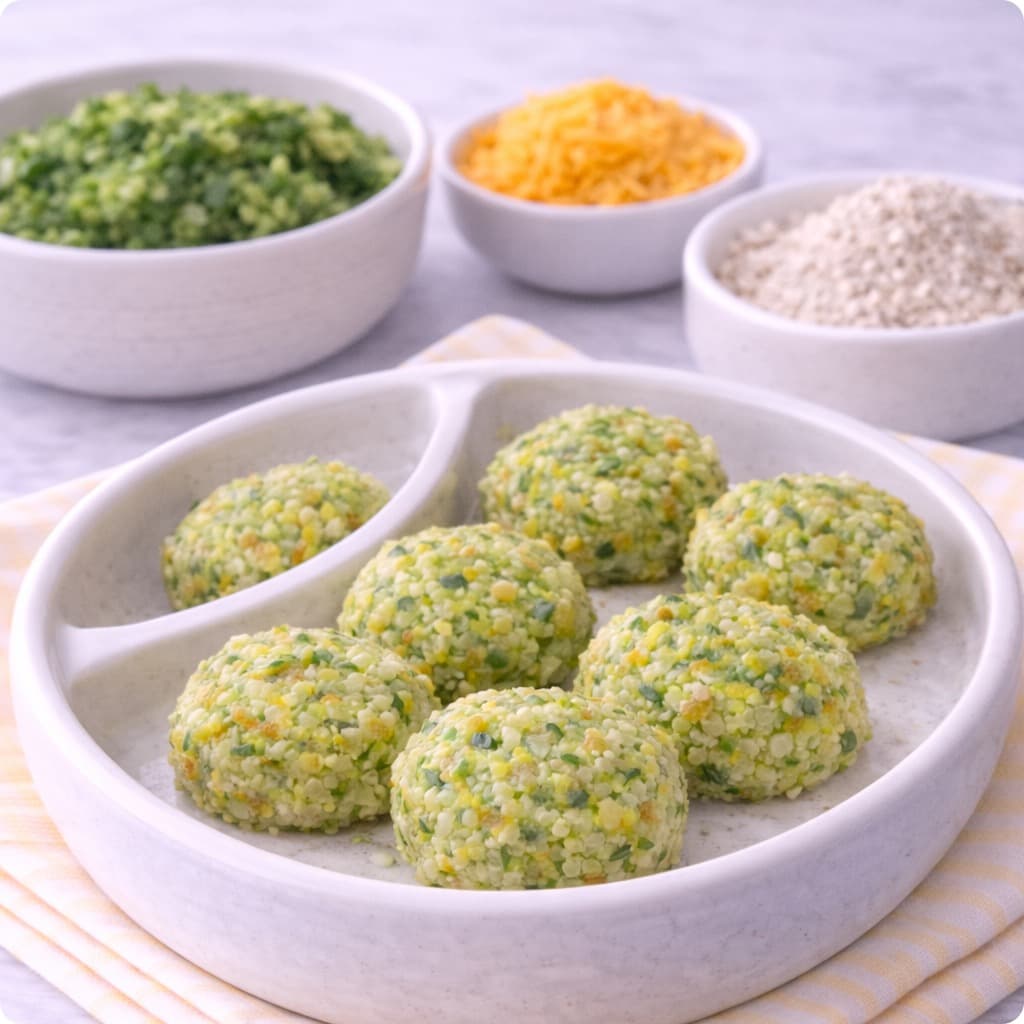
Broccoli Cheese Patties
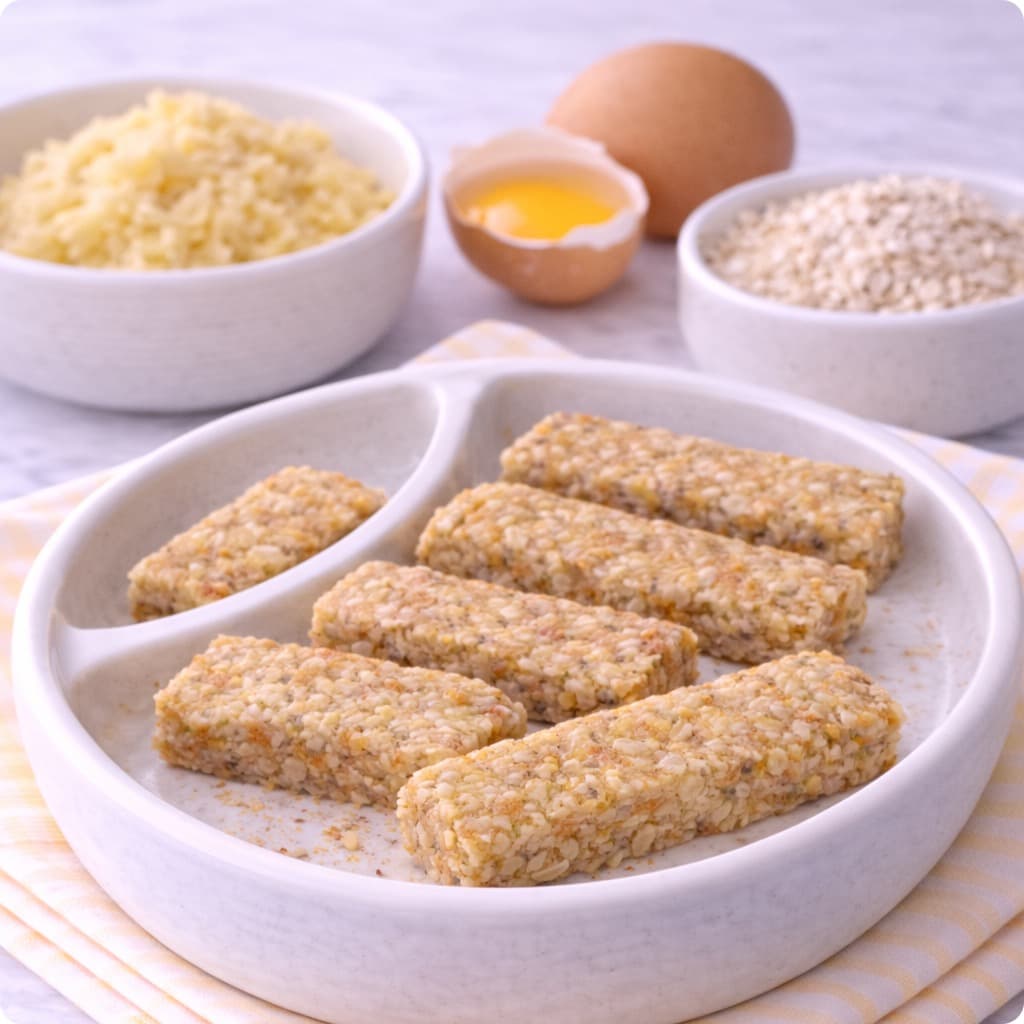
Apple Oat BLW Bars

Lentil Veggie Nuggets
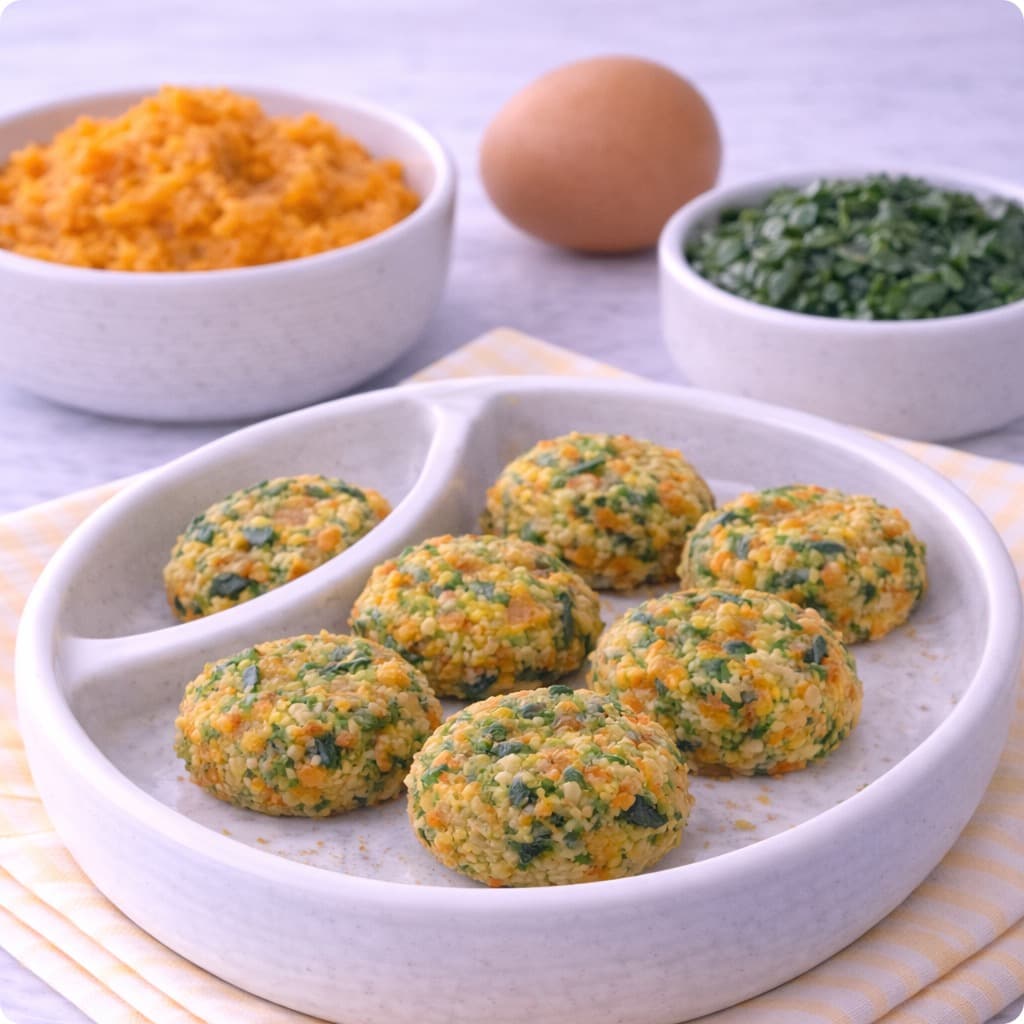
Sweet Potato Spinach Fritters
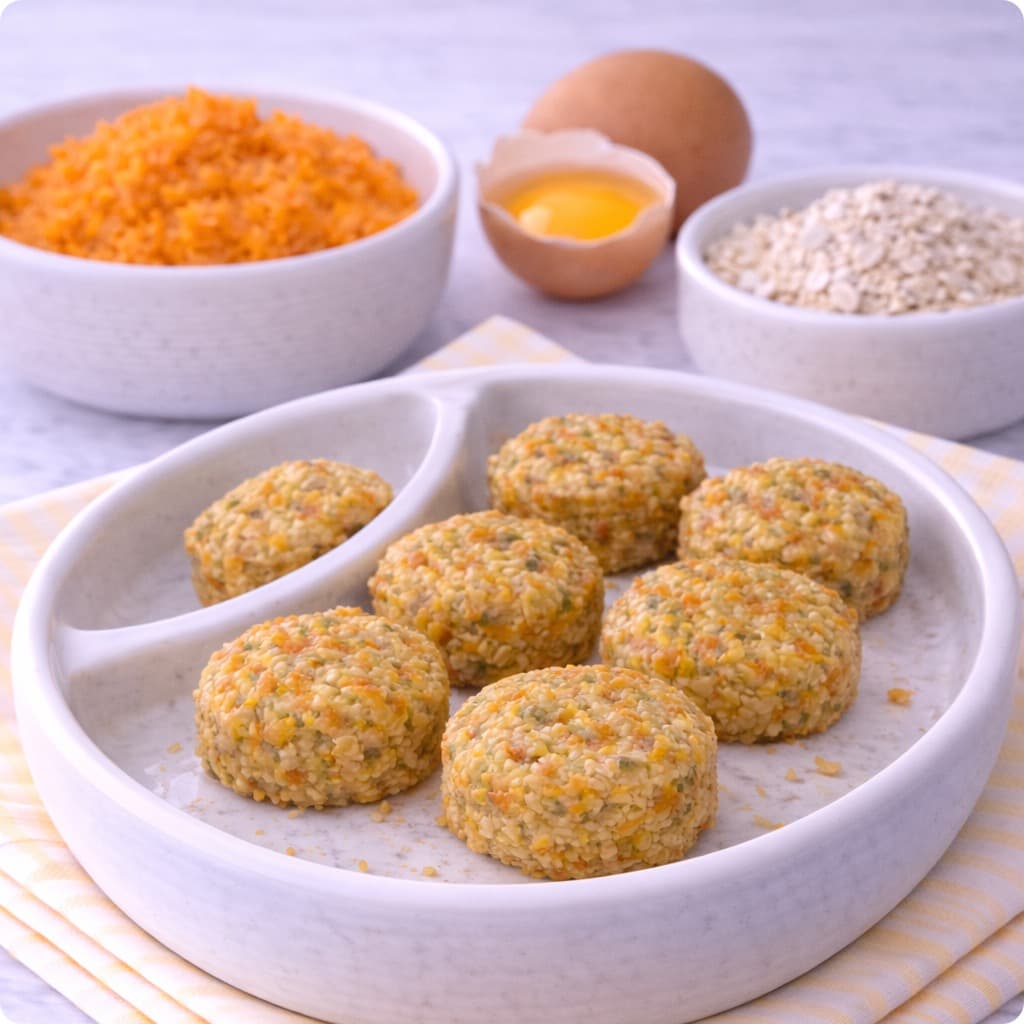
Carrot Oat BLW Muffins
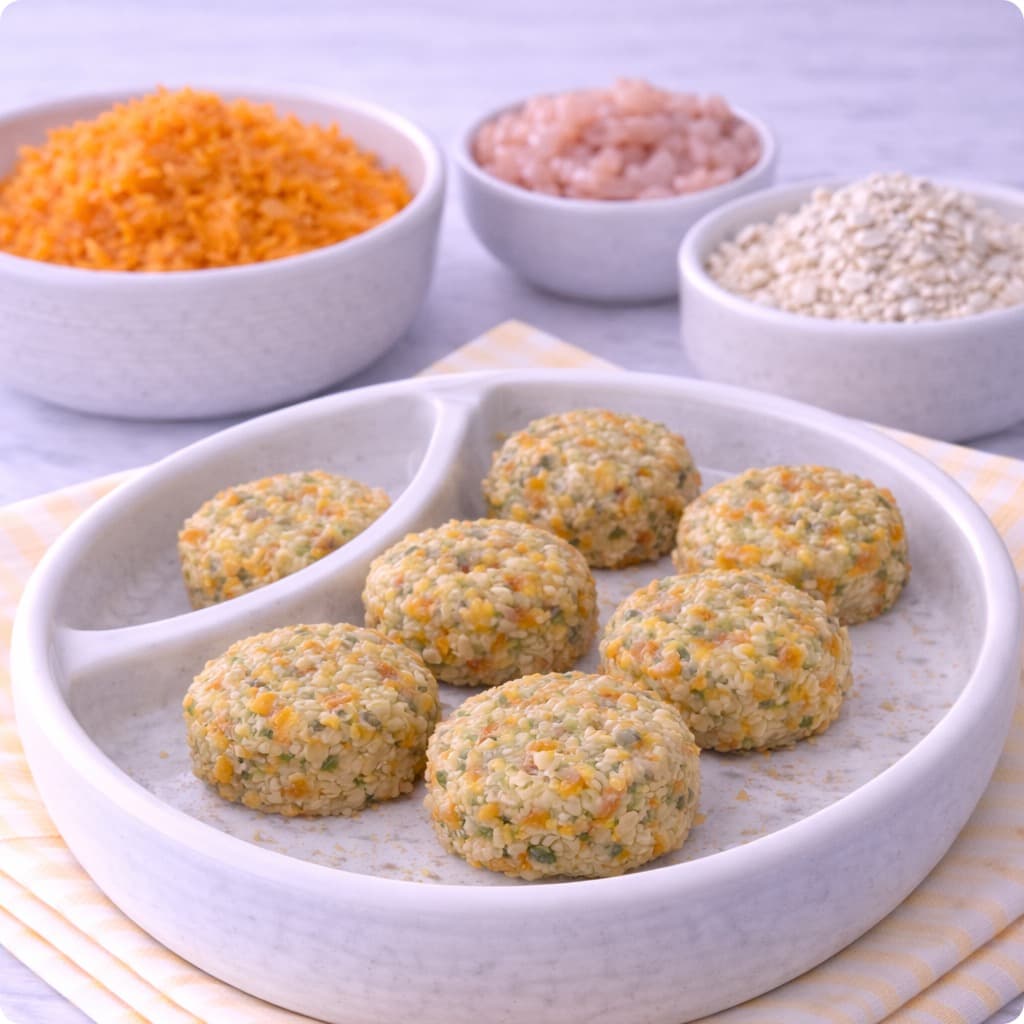
Chicken Veggie Nuggets
Frequently asked questions
What finger foods can I give my 10-month-old?
Good options include soft steamed vegetables, diced ripe fruit, soft cooked pasta, scrambled or hard-boiled egg, shredded chicken, beans, toast strips, small cheese pieces, flaked fish, and avocado. Serve everything soft and cut into small, gum-mashable pieces.
How much should a 10-month-old eat?
Appetites vary a lot at this age. Most 10-month-olds eat about three meals plus one or two snacks a day alongside breast milk or formula. Offer a variety of foods and let your baby decide how much to eat, since they self-regulate their intake well.
Does my 10-month-old need teeth to eat finger foods?
No. Babies mash soft foods with their strong gums, so teeth are not required. Just make sure foods are soft enough to squish easily between your fingers and cut into small, safe pieces.
How do I cut finger foods for a 10-month-old?
Now that your baby is developing a pincer grasp, cut foods into small pea-to-fingertip-size pieces they can pick up with thumb and forefinger. Quarter round foods like grapes and cherry tomatoes, and keep everything soft and easy to chew.
Can my 10-month-old have eggs and other allergens?
Yes. Common allergens like egg, peanut (as a thin layer of smooth nut butter), and fish can and should be offered to most babies. Introduce one new allergen at a time on its own, and watch for any reaction. Talk to your pediatrician if your baby is high risk for allergies.
Why is my 10-month-old refusing finger foods?
Food refusal is common and often temporary. Your baby may be teething, tired, distracted, or simply not hungry. Keep offering a variety of textures without pressure, eat together as a family, and give it time. Talk to your pediatrician if refusal is persistent or weight gain is a concern.
Is gagging normal when my baby eats finger foods?
Occasional gagging is a normal and protective reflex as babies learn to manage new textures. It looks and sounds different from choking, which is quiet and serious. Always supervise meals closely, learn the difference between gagging and choking, and consider an infant first-aid course.
Finger foods + a plan made for your baby
200+ age-matched finger foods with built-in cutting guides, plus a feeding schedule and recipes tailored to your baby's stage.
verifiedSources & References
This guide is informed by current guidelines from leading health organizations: