What your 12 months old can do
By their first birthday, most babies are becoming skilled at self-feeding. Many can pick up small pieces of food using a pincer grasp (thumb and forefinger) and bring them to their mouths with growing accuracy. Your baby may also be starting to hold a spoon, even if most of it still ends up on the tray, the floor, or their hair.
Chewing continues to improve, even for babies with only a few teeth. Babies use their gums and jaws to mash soft foods, so you can offer more textured, family-style pieces than you did a few months ago. Around this age, cow's milk can be introduced as a drink, and breast milk or formula no longer needs to be the main source of nutrition.
Expect more independence and more mess. Your one-year-old may want to feed themselves, refuse foods they loved last week, and throw food off the tray to test what happens. This is all typical. Offering a relaxed, no-pressure environment and eating together as a family helps your baby learn to enjoy a range of foods.
Best finger foods for a 12-month-old
Soft scrambled eggs
Eggs are packed with protein and healthy fats that support your growing baby. Cook until fully set, then break into small, soft curds or strips your baby can pick up easily.
Ripe banana pieces
Bananas are naturally sweet, soft, and easy to gum. Peel and cut into small bite-sized chunks, or roll slippery pieces in a little baby cereal to make them easier to grip.
Steamed vegetable sticks
Carrots, sweet potato, zucchini, and green beans offer vitamins and fiber. Steam until soft enough to squish between your fingers, then cut into finger-length sticks or small pieces.
Soft-cooked pasta
Pasta is a fun, easy-to-grab food that helps practice the pincer grasp. Cook until very soft and offer shapes like fusilli or penne, tossed with a little olive oil or a smooth, low-salt sauce.
Shredded or diced chicken
Chicken provides iron and protein important at this age. Cook until tender, then finely shred or dice into soft, small pieces. Moisten with a little broth or sauce so it is easy to chew and swallow.
Soft fruit cubes
Ripe pear, peach, mango, cantaloupe, and watermelon are soft and refreshing. Peel if needed and cut into small, bite-sized cubes. Remove any seeds or tough skin first.
Cheese strips or grated cheese
Cheese offers calcium and protein. Offer pasteurized mild cheese cut into thin, short strips or grated so it is easy to pick up. Avoid large chunks or cubes, which can be a choking risk.
Toast fingers or soft bread
Lightly toasted whole-grain bread cut into strips gives your baby something to chew and hold. Spread thinly with mashed avocado, hummus, or a nut butter smoothed thin to avoid clumps.
Cooked, soft beans and lentils
Beans and lentils are great plant-based sources of iron and fiber. Cook until very soft; you can lightly mash larger beans so they are easy for little hands and mouths to manage.
Small pieces of soft meatball or fish
Well-cooked, flaky fish (bones removed) and soft, tender meatballs add protein and iron. Break into small, moist pieces and always double-check for any bones.
Cooked oatmeal or soft cereal bites
Whole-grain oats provide fiber and lasting energy. Serve thick oatmeal your baby can scoop, or make small soft baked oat bites they can pick up themselves.
Avocado slices
Avocado is rich in healthy fats that support brain development. Cut ripe avocado into thick spears or small chunks. Rolling slippery pieces in crushed baby cereal makes them easier to grasp.
Sample meals
- ★Breakfast: soft scrambled eggs, banana pieces, and a few cubes of soft pear
- ★Lunch: shredded chicken, steamed carrot sticks, and grated cheese
- ★Dinner: soft-cooked pasta with a smooth tomato sauce, plus steamed zucchini sticks
- ★Snack: toast fingers with thinly spread avocado and small cubes of ripe mango
- ★Dinner: flaky cooked fish (bones removed), soft cooked beans, and mashed sweet potato
Safety tips
- ✓Always seat your baby upright in a high chair for meals and stay nearby and attentive while they eat. Never let your baby eat while walking, crawling, playing, or riding in a car.
- ✓Keep avoiding high-risk choking foods such as whole grapes, whole cherry tomatoes, nuts, popcorn, hard raw vegetables, hard chunks of cheese, and chunks of nut butter. Cut round foods like grapes and tomatoes into quarters lengthwise.
- ✓Continue to avoid added salt, added sugar, and honey until after the first birthday, and go easy on salt and sugar even after age one. Season foods with herbs, mild spices, and citrus instead.
- ✓Cut foods into small, manageable pieces and cook firmer vegetables and fruits until soft enough to squish easily between two fingers.
- ✓Offer water in an open or straw cup with meals, and you can now introduce whole cow's milk as a drink. Learn the difference between typical gagging (part of learning to eat) and choking so you feel prepared.
When to consult your doctor
Talk with your pediatrician if your baby consistently refuses most solids, seems to have trouble chewing or swallowing, frequently gags or coughs during meals, or is not gaining weight as expected. Also reach out if you notice signs of a food allergy, such as hives, swelling, vomiting, or trouble breathing, and seek emergency care right away for any severe reaction.
Simple finger food ideas to try
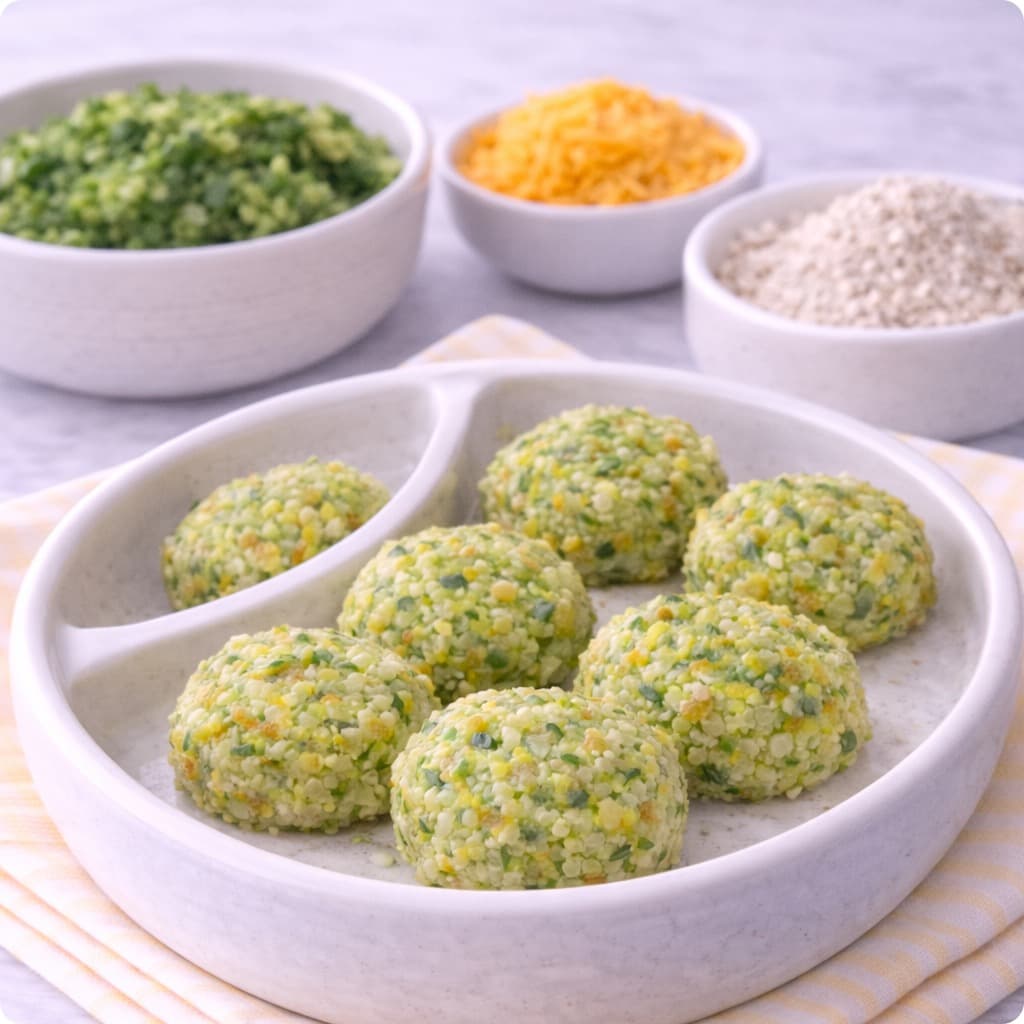
Broccoli Cheese Patties
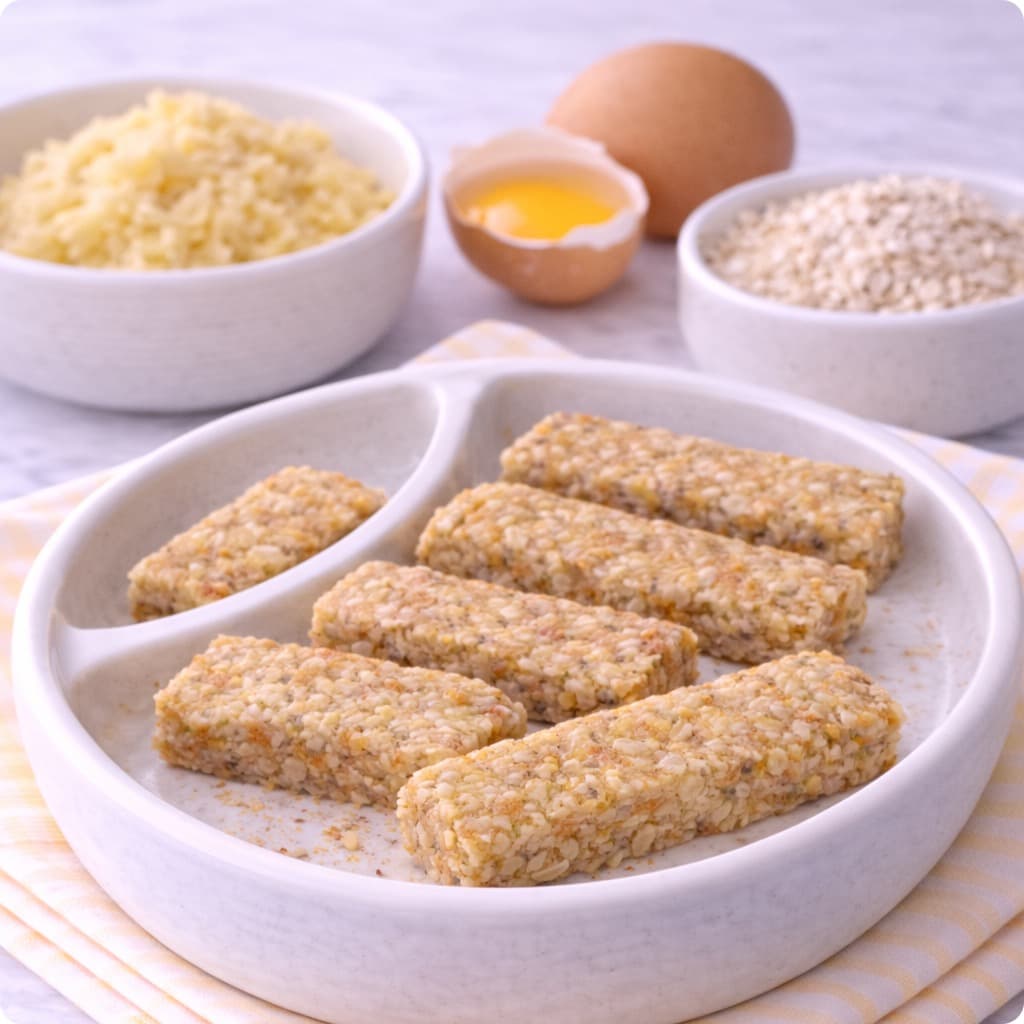
Apple Oat BLW Bars

Lentil Veggie Nuggets
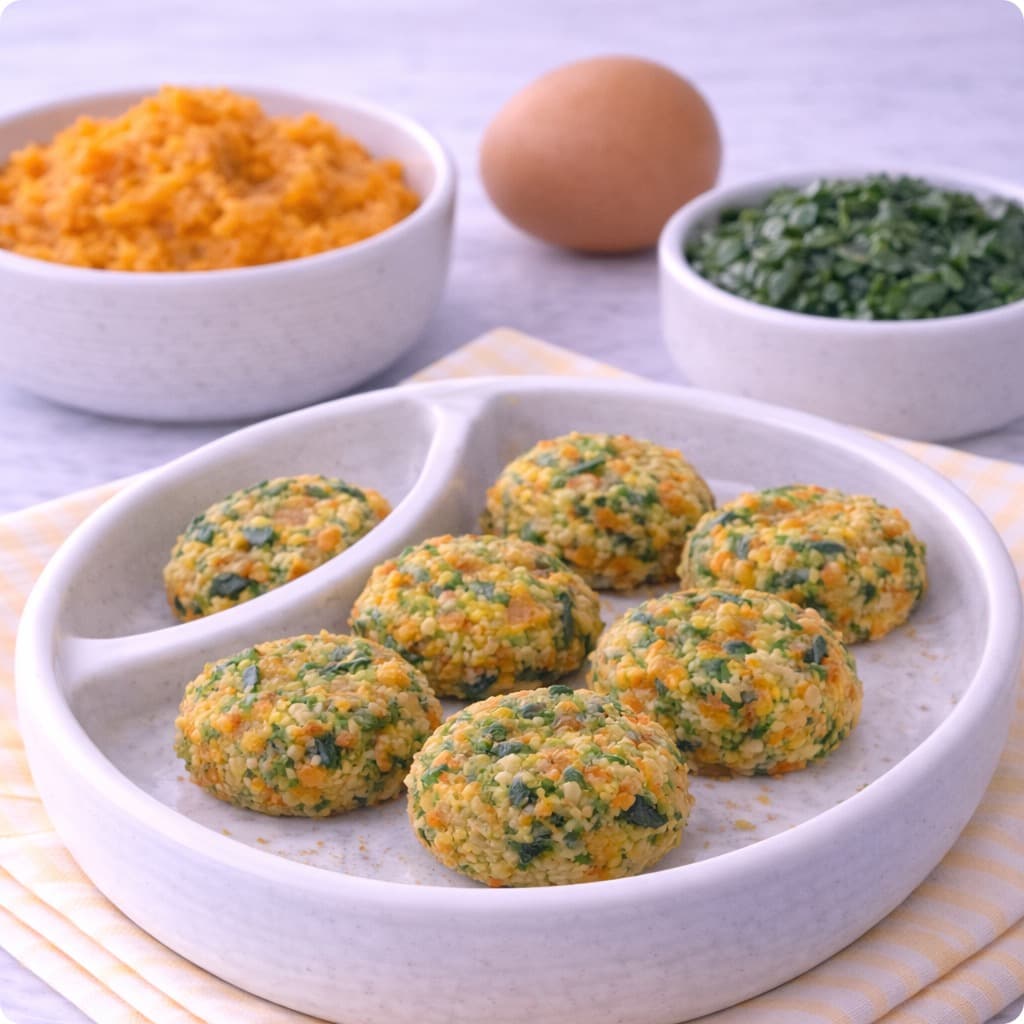
Sweet Potato Spinach Fritters
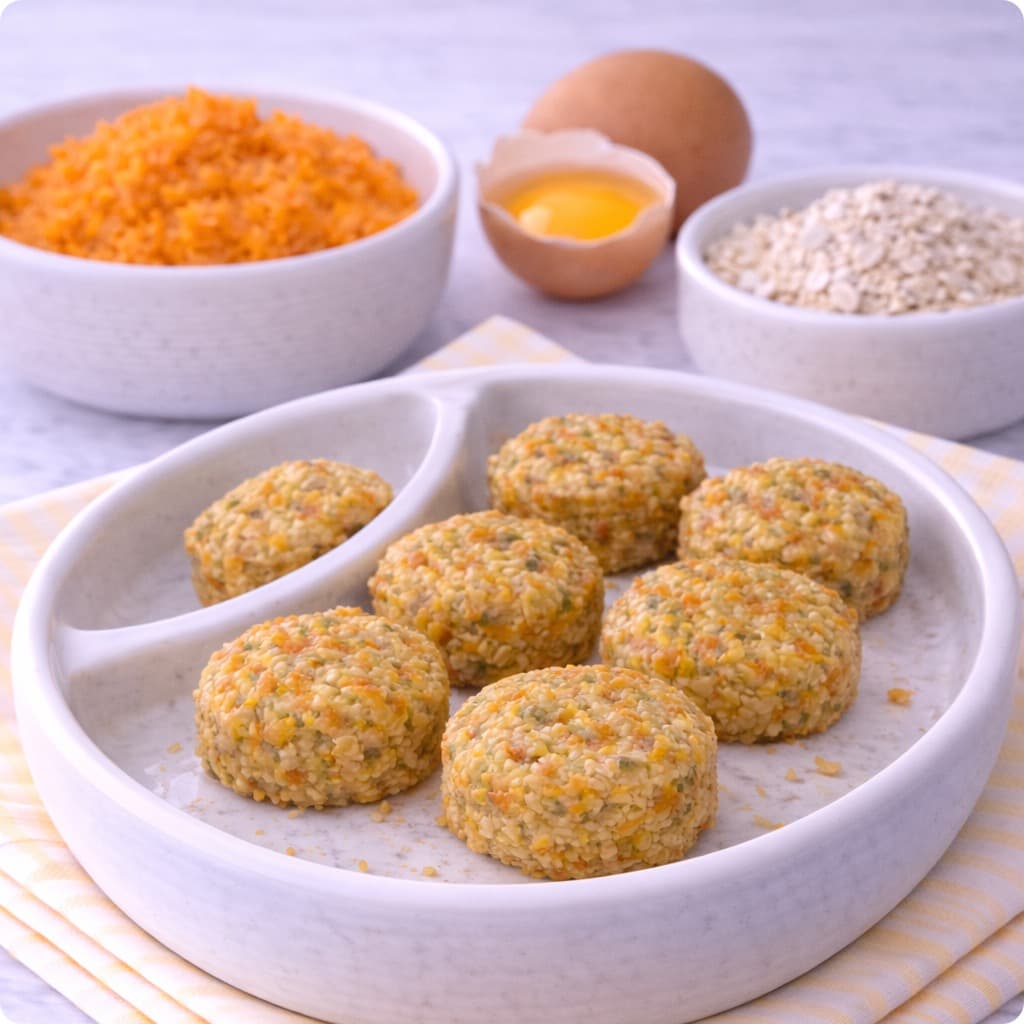
Carrot Oat BLW Muffins
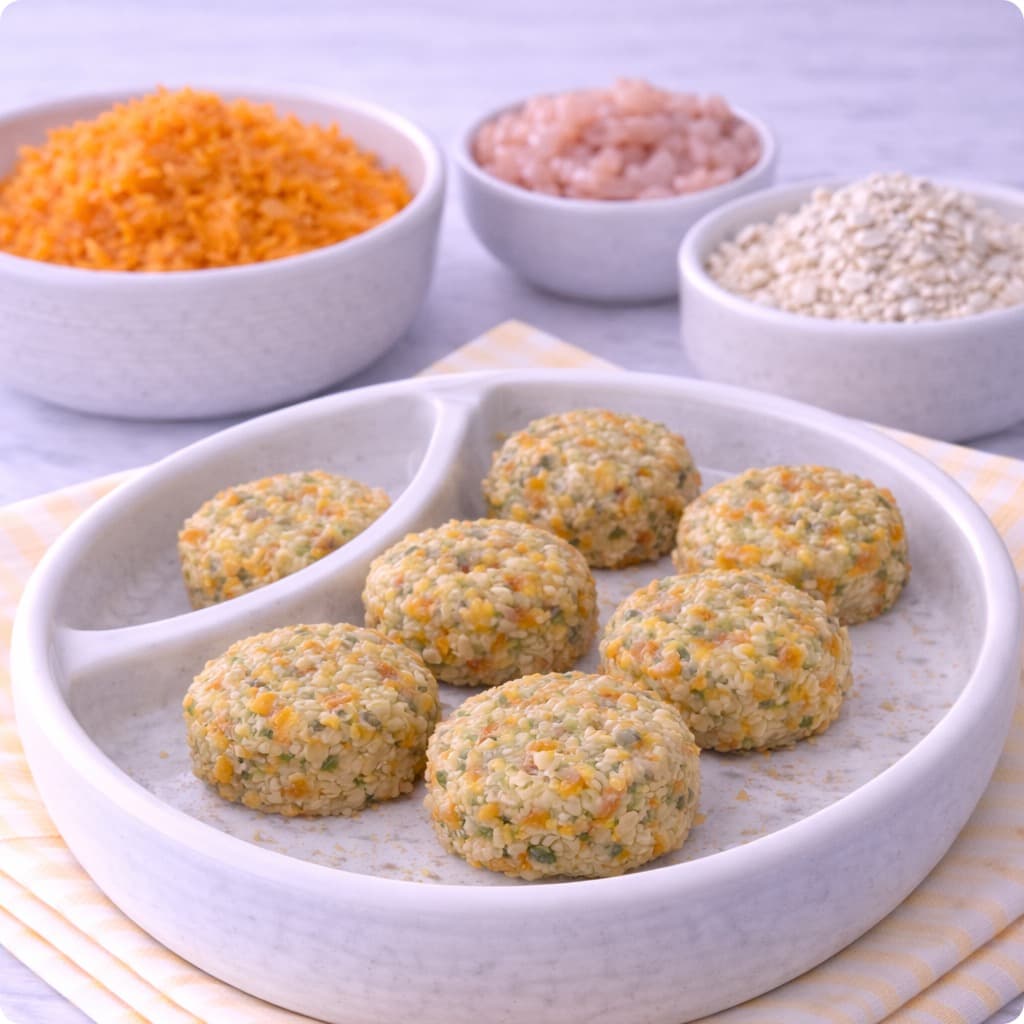
Chicken Veggie Nuggets
Frequently asked questions
What finger foods can I give my 12-month-old?
At 12 months, you can offer a wide variety of soft finger foods, including soft scrambled eggs, banana and other soft fruit pieces, steamed vegetable sticks, soft-cooked pasta, shredded chicken, beans, grated cheese, and toast fingers. Aim for small, soft, bite-sized pieces and include iron-rich foods at most meals.
How many meals should a 12-month-old eat?
Most one-year-olds eat about three meals and two small snacks a day, along with breast milk, formula, or whole cow's milk. Portion sizes are small, so follow your baby's hunger and fullness cues rather than pushing them to finish everything on the tray.
Can my 12-month-old drink cow's milk?
Yes. After the first birthday, whole cow's milk can be offered as a drink in place of formula. You can continue breastfeeding as long as you and your baby wish. Offer milk in an open or straw cup rather than a bottle when possible, and avoid letting it replace nutritious solid foods.
What foods should I still avoid at 12 months?
Keep avoiding honey until after age one, and steer clear of choking hazards like whole grapes, whole cherry tomatoes, nuts, popcorn, hard raw vegetables, and chunks of hard cheese or nut butter. It is also best to limit added salt and added sugar in your baby's food.
My 12-month-old is refusing foods they used to love. Is that normal?
Yes, this is very common. Around the first birthday, appetite often slows as growth naturally slows, and toddlers begin asserting independence. Keep offering a variety of foods without pressure. It can take many repeated, low-key exposures before a baby accepts a food again.
How do I know if a finger food is soft enough?
A good rule of thumb is that the food should squish easily when pressed between your thumb and forefinger. Steam or cook firmer fruits and vegetables until tender, cut foods into small pieces, and modify or avoid anything hard, round, or sticky that could be a choking risk.
Should I still offer purees at 12 months?
Purees are fine to include, especially in foods like yogurt, oatmeal, or smooth sauces, but by 12 months your baby is ready for plenty of soft finger foods and family-style textures. Offering a mix of textures helps develop chewing skills and encourages self-feeding.
Finger foods + a plan made for your baby
200+ age-matched finger foods with built-in cutting guides, plus a feeding schedule and recipes tailored to your baby's stage.
verifiedSources & References
This guide is informed by current guidelines from leading health organizations: