What your 10 months old can do
Around 10 months, many babies are developing their pincer grasp, using the thumb and forefinger to pick up small pieces of food. This new skill means your baby can start self-feeding soft, bite-sized morsels rather than relying only on larger strips or purees. You may notice more interest in doing things independently, including grabbing the spoon and exploring food with their hands.
Chewing skills are also maturing, even before the molars come in. Babies use their gums to mash soft foods, so you can move beyond thin purees toward lumpier textures, minced or finely chopped foods, and soft finger foods. Offering a range of textures now helps your baby learn to manage different foods and supports the muscles used for eating and speech.
Breast milk or formula is still an important source of nutrition at this age, usually offered on demand or across the day. Solid foods are becoming a bigger part of your baby's diet, so aim for iron-rich foods at meals and keep offering new flavors, even ones that were refused before. It can take many tries before a baby accepts a new food, so patience and repetition go a long way.
Great foods to offer at 10 months
Soft scrambled eggs
Eggs are a great source of protein and iron and are easy for little hands to grab. Cook them fully until firm but soft, then break into small, pincer-grasp pieces or serve in short strips.
Iron-fortified oatmeal
Whole grain oats provide iron and fiber to support your baby's growing needs. Cook until soft and thick enough to scoop, and stir in mashed fruit or a little breast milk or formula for flavor instead of sugar.
Soft-cooked broccoli and cauliflower florets
These veggies add vitamin C and fiber, and the little tree shape gives babies an easy handle to hold. Steam or boil until very soft so the florets mash easily against the gums.
Ripe avocado
Avocado is packed with healthy fats that support brain development and has a naturally creamy texture. Serve it in soft chunks or spread thinly on toast strips, and roll slippery pieces in a little baby cereal for an easier grip.
Shredded or minced chicken
Chicken offers protein and iron for steady energy and growth. Cook it fully and finely shred or mince it so it is moist and easy to chew, mixing in a little low-sodium broth or sauce to keep it from being dry.
Soft-cooked pasta
Small pasta shapes are fun to pick up and easy to mash with the gums. Cook until very soft, cut larger pieces into bite-sized bits, and toss with a smooth vegetable or tomato sauce made without added salt.
Mashed or flaked cooked fish
Fish like salmon or cod provides protein and healthy omega-3 fats. Cook thoroughly, then flake it carefully to remove every bone before serving small, soft pieces your baby can pick up.
Well-cooked beans and lentils
Beans and lentils are budget-friendly sources of iron, protein, and fiber. Cook until soft and lightly mash them, or offer whole beans that squash easily so your baby can practice the pincer grasp.
Soft ripe fruit pieces
Fruits like banana, ripe pear, peach, and kiwi are naturally sweet and full of vitamins. Serve in small, soft chunks your baby can pick up, and cut round or slippery fruits into small pieces rather than coins.
Full-fat plain yogurt
Plain whole milk yogurt provides calcium, protein, and healthy fats, and its thick texture is easy to spoon. Choose unsweetened varieties and stir in mashed fruit for natural sweetness instead of added sugar.
Soft-cooked sweet potato
Sweet potato is rich in vitamin A and has a soft, easy-to-mash texture babies love. Roast or steam until very tender, then serve in small cubes or short strips your baby can hold.
Toast fingers with nut or seed butter
Lightly toasted whole grain bread gives your baby practice with finger foods and iron from fortified grains. Spread thinly with a smooth nut or seed butter, never a thick layer, since large globs can be a choking risk.
Sample meals
- ★Breakfast: soft scrambled eggs with avocado chunks and a few soft pear pieces
- ★Lunch: shredded chicken with soft-cooked pasta and steamed broccoli florets
- ★Dinner: mashed cooked salmon with soft sweet potato cubes and green peas
- ★Snack: full-fat plain yogurt stirred with mashed banana
- ★Snack: toast fingers with a thin layer of smooth nut butter and soft kiwi pieces
Safety tips
- ✓Always seat your baby upright in a high chair and stay within arm's reach during every meal and snack.
- ✓Avoid common choking hazards such as whole grapes, whole nuts, popcorn, raw hard veggies, chunks of hard cheese, and hot dog coins. Cut round foods into small, quartered pieces.
- ✓Do not add salt, sugar, or honey to your baby's food before age one, since honey can cause infant botulism and little kidneys cannot handle extra salt.
- ✓Serve foods soft enough to squash easily between your finger and thumb, and cut everything into small, bite-sized pieces as your baby practices the pincer grasp.
- ✓Introduce one new food at a time and watch for signs of an allergic reaction, especially with common allergens like egg, fish, dairy, and nut butters.
When to consult your doctor
Talk with your pediatrician if your baby consistently refuses solids, gags or coughs excessively at meals, seems to have trouble gaining weight, or shows signs of a food allergy such as hives, swelling, vomiting, or trouble breathing. Your doctor can also offer guidance if you have questions about iron, textures, or your baby's overall eating and growth.
Easy recipes for your 10 month old
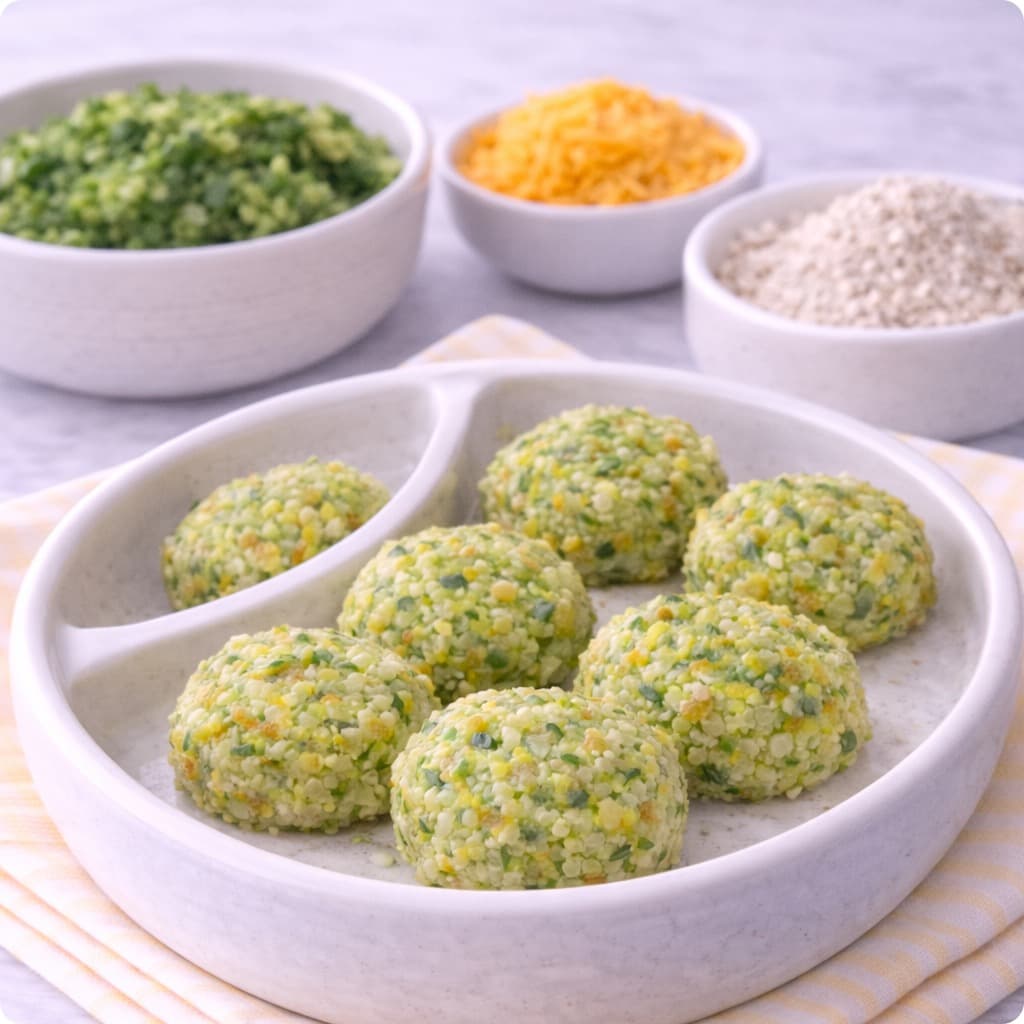
Broccoli Cheese Patties
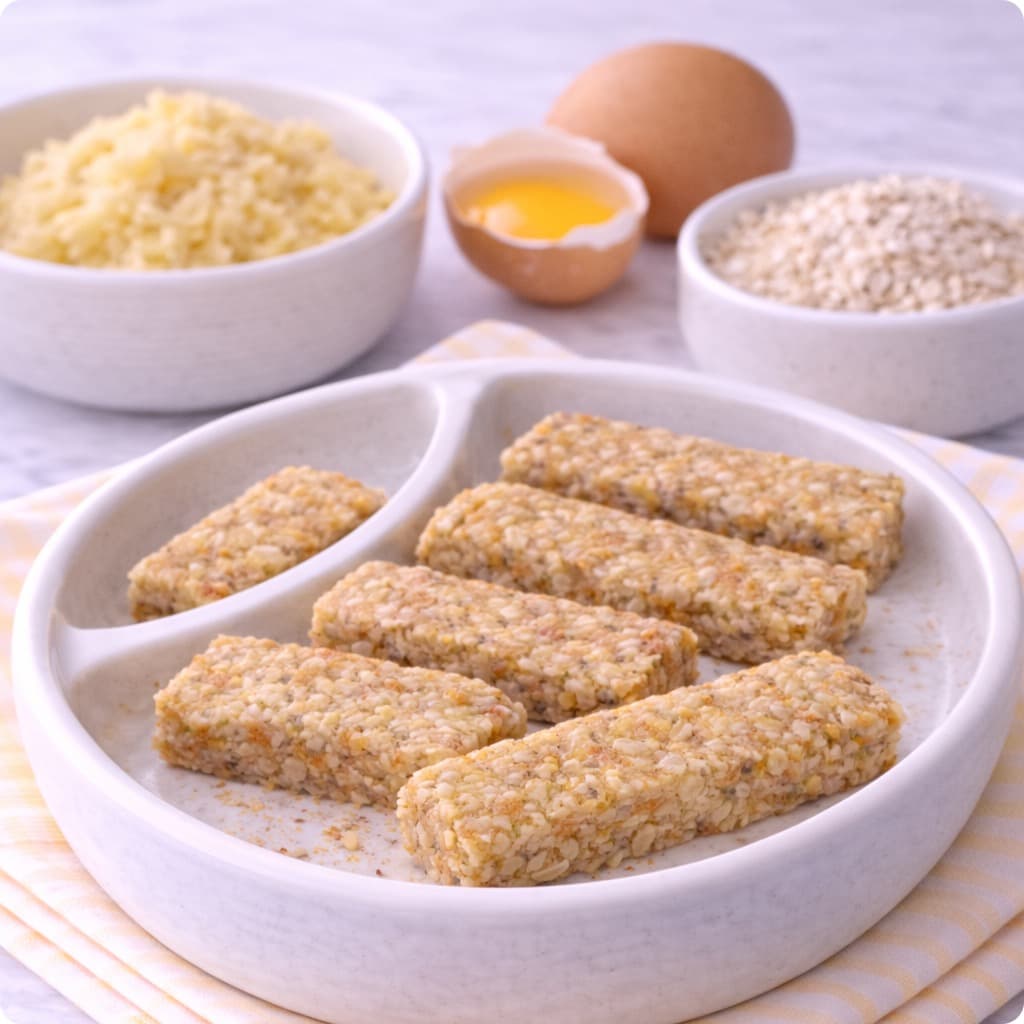
Apple Oat BLW Bars

Lentil Veggie Nuggets
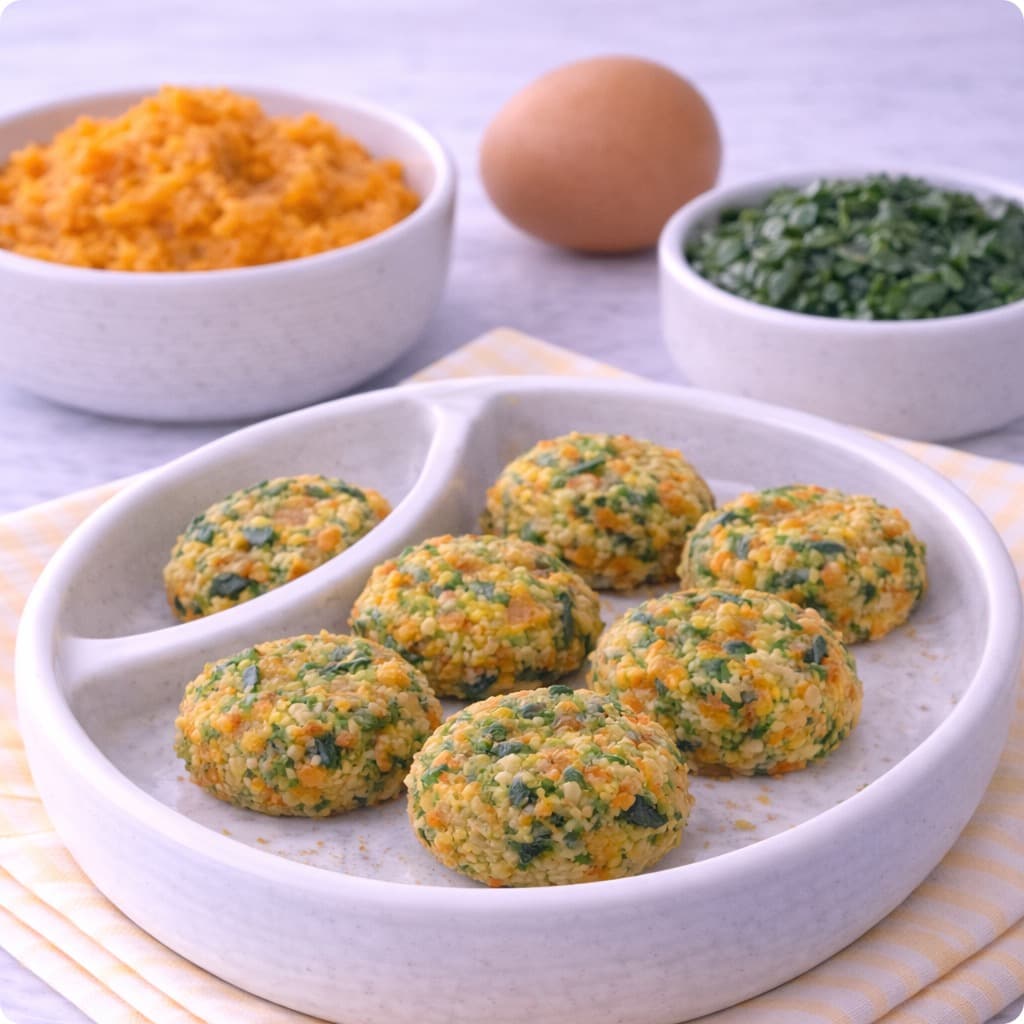
Sweet Potato Spinach Fritters
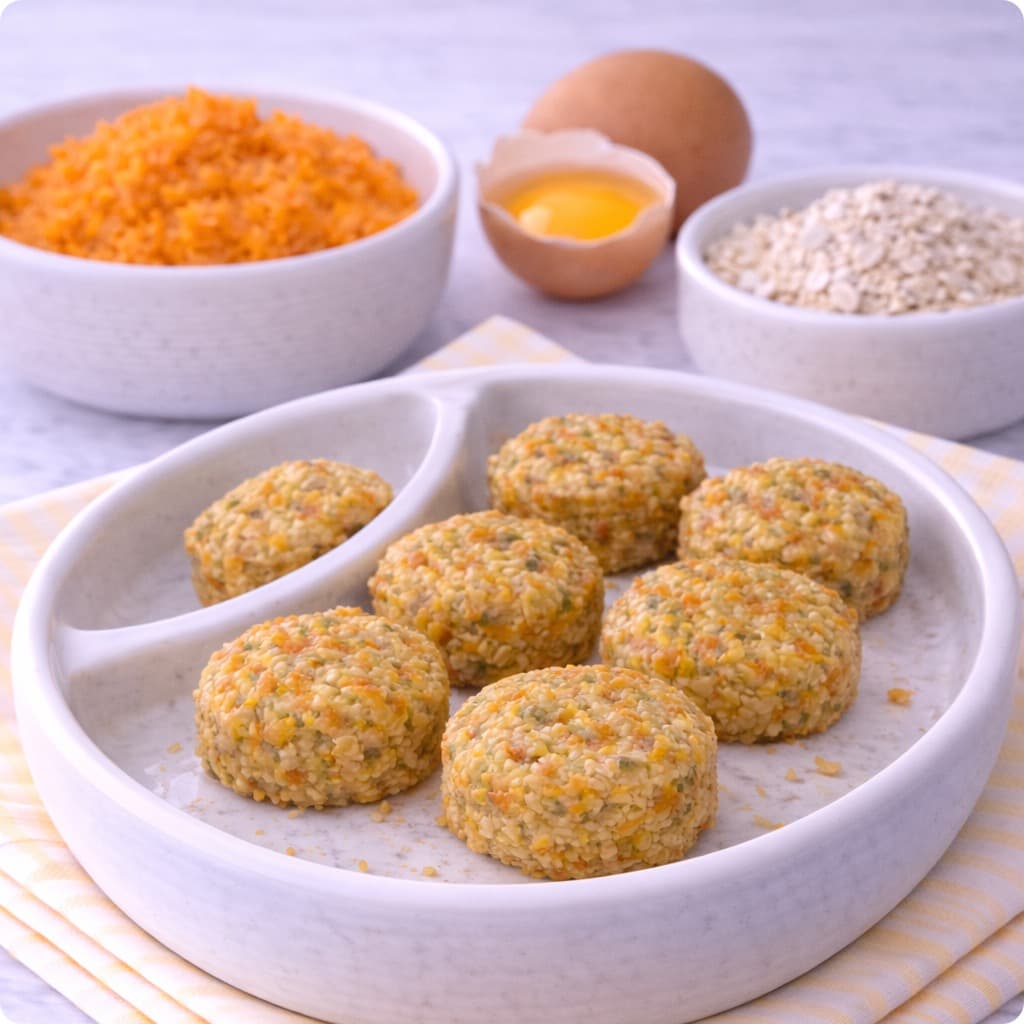
Carrot Oat BLW Muffins
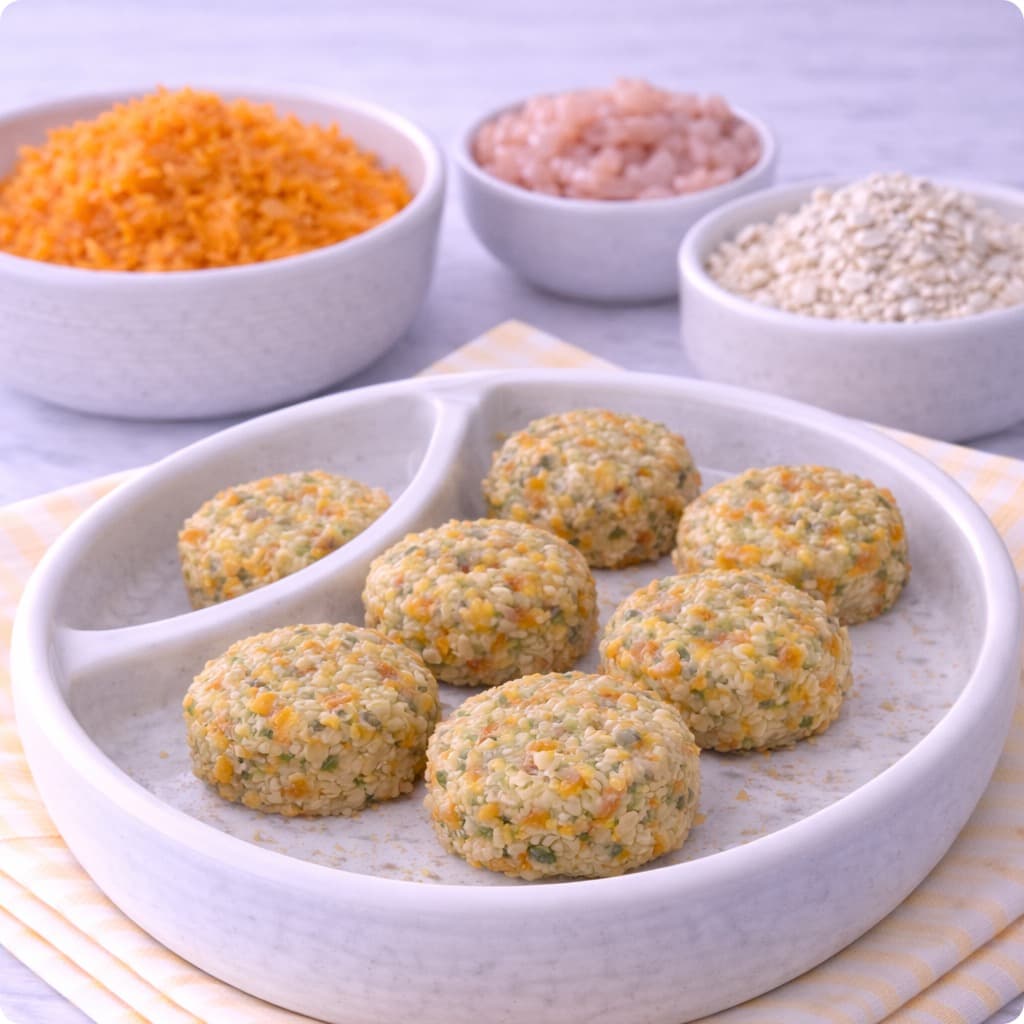
Chicken Veggie Nuggets
Frequently asked questions
How many meals a day should a 10 month old eat?
Most 10 month olds eat three meals a day plus one or two small snacks, alongside breast milk or formula. Let your baby's appetite guide how much they eat at each meal, since hunger can vary from day to day.
How much milk should a 10 month old drink?
Breast milk or formula is still important at this age and is usually offered several times a day. Many babies take around 24 to 30 ounces of formula daily or nurse on demand, but solids are now filling in more of their nutrition. Check with your pediatrician for guidance specific to your baby.
What finger foods can I give my 10 month old?
Great finger foods include soft-cooked veggies, small pieces of ripe fruit, scrambled eggs, shredded chicken, soft pasta, and well-cooked beans. Offer small, soft, bite-sized pieces your baby can pick up with the pincer grasp.
Can a 10 month old eat table food?
Yes, your baby can share many family meals as long as the food is soft, cut small, and made without added salt, sugar, or honey. Simply set aside a portion before you add seasoning and mash or chop it to a safe size.
Can my 10 month old have water?
Yes, you can offer small sips of water in an open cup or straw cup with meals to help your baby learn to drink and stay hydrated. Breast milk or formula should still be the main drink until age one.
What foods should a 10 month old avoid?
Avoid choking hazards like whole grapes, nuts, popcorn, and raw hard vegetables, as well as honey, added salt, and added sugar. Also skip cow's milk as a main drink and unpasteurized or highly processed foods.
My 10 month old won't eat solids. What should I do?
It is common for appetite to vary, and teething or being tired can affect interest in food. Keep offering a variety of textures and flavors without pressure, eat together so your baby can copy you, and talk with your pediatrician if refusal continues or you have concerns about growth.
Get your baby's personalized feeding plan
A daily feeding schedule, 350+ age-matched recipes, allergen tracking and cutting guides - all tailored to your baby's age in the Nibli app.
verifiedSources & References
This guide is informed by current guidelines from leading health organizations: