Egg for Baby
Last updated October 2026
Eggs can join complementary feeding once a baby is ready for solids, usually around six months. They provide protein, choline and other nutrients, but egg is a common allergen. Offer a small amount separately from other new allergenic foods for the first exposure.
Quick answer
Babies ready for solids can try egg from around six months. The NHS recommends introducing foods that commonly cause allergic reactions one at a time and initially in small amounts so that any reaction can be identified.

Prepare egg for a new eater
Scramble: whisk and gently cook to the safe doneness required locally. Break into moist soft pieces or offer on a spoon; do not let the egg become dry or rubbery.
Boiled egg: where fully cooked eggs are required, cook through, peel, then mash yolk and white with a little water or an already tolerated vegetable puree so the food is not crumbly.
Omelette: cook appropriately for the country and the child's medical needs, keep the texture tender, and offer soft strips or pieces adapted to the baby's grasp and chewing skills. Use the dedicated egg-cutting guide for demonstrations rather than assuming any particular shape prevents choking.
Egg can be mixed into soft vegetables without salt, provided the other ingredients are already tolerated. Do not give raw batter or home-made raw-egg sauces outside applicable certified-egg guidance.
The right shape and size depend on your baby's eating skills, not on age alone. Step-by-step preparation: How to cut eggs for BLW
Also check how to cut food for baby-led weaning for general BLW cutting tips.
When to introduce egg and what to watch for
If tolerated, egg can remain a regular part of the diet. This approach is supported by allergen-introduction guidance, but no single feeding prevents an egg allergy. If the child has a diagnosed allergy, previous reaction or special medical plan, ask the treating clinician before offering egg.
Hives, swelling or repeated vomiting may indicate an allergic reaction. Breathing difficulty, collapse, marked swelling or a baby becoming limp is an emergency; do not retry egg after a suspected reaction without professional advice.
Make egg easy to handle: try a moist scramble, mashed cooked egg or tender omelette. Dry, rubbery chunks and compact mouthfuls can be difficult for an inexperienced eater. Follow your baby's feeding skills rather than a guaranteed age-specific cutting shape.
Food-safety rules differ by country. The FDA generally advises eggs with firm whites and yolks; the NHS makes a specific exception for British Lion-stamped hen eggs. Use your local guidance and product certification, especially when a clinician has recommended thoroughly cooked egg.
See our first foods for baby guide for more ideas.
Allergy, heat and texture checks
Egg is a common allergen: try a small amount separately from other new allergens and observe for symptoms.
FDA advice is firm whites and yolks; UK NHS advice has a British Lion-stamped hen-egg exception. Never assume all eggs worldwide qualify.
Avoid raw-egg batter or lightly cooked eggs without the required national food-safety certification.
Soft, moist egg is usually easier to manage than dry, rubbery pieces.
Keep preparation surfaces clean after raw egg, refrigerate properly and serve without added salt.
Always supervise the baby while seated upright; seek emergency care for breathing difficulties or severe allergic symptoms.
Egg recipes for babies
View all recipes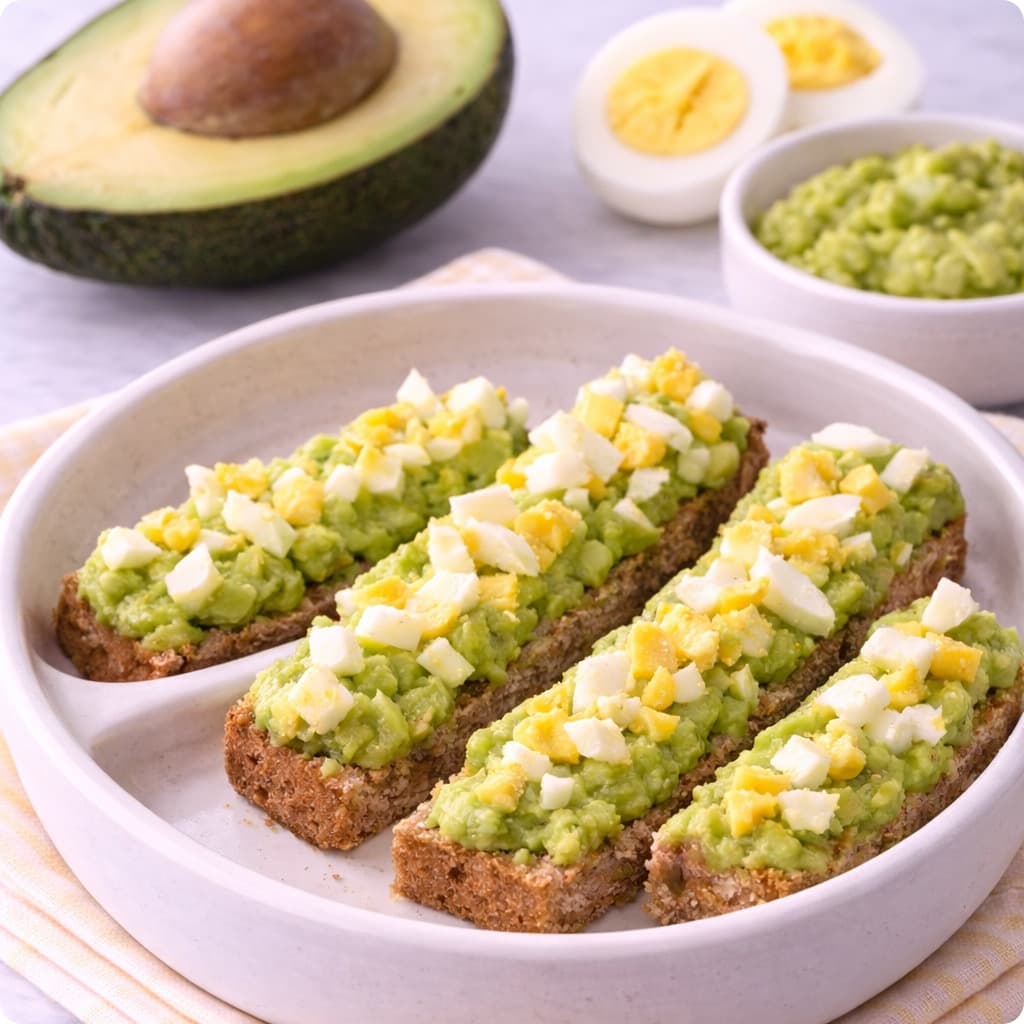
Egg Avocado Toast Fingers
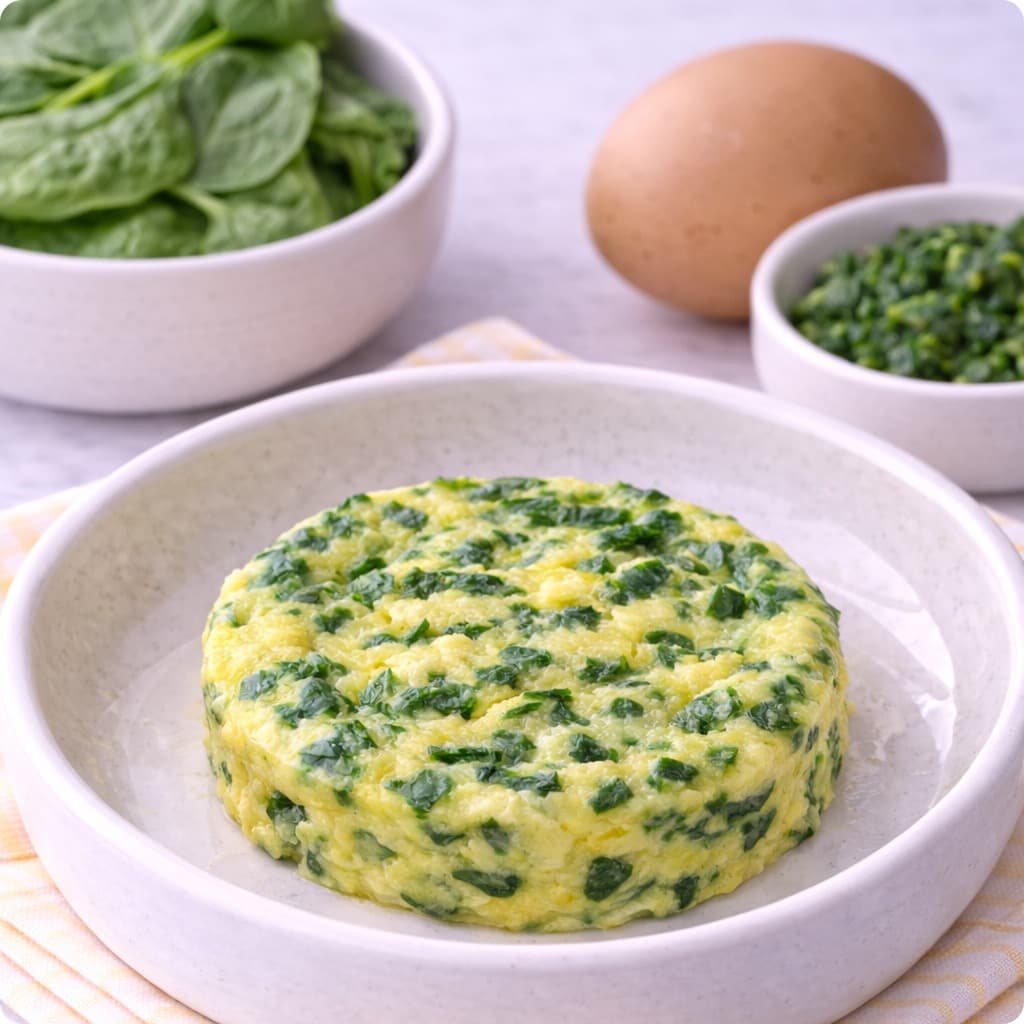
Spinach Egg Mini Omelette
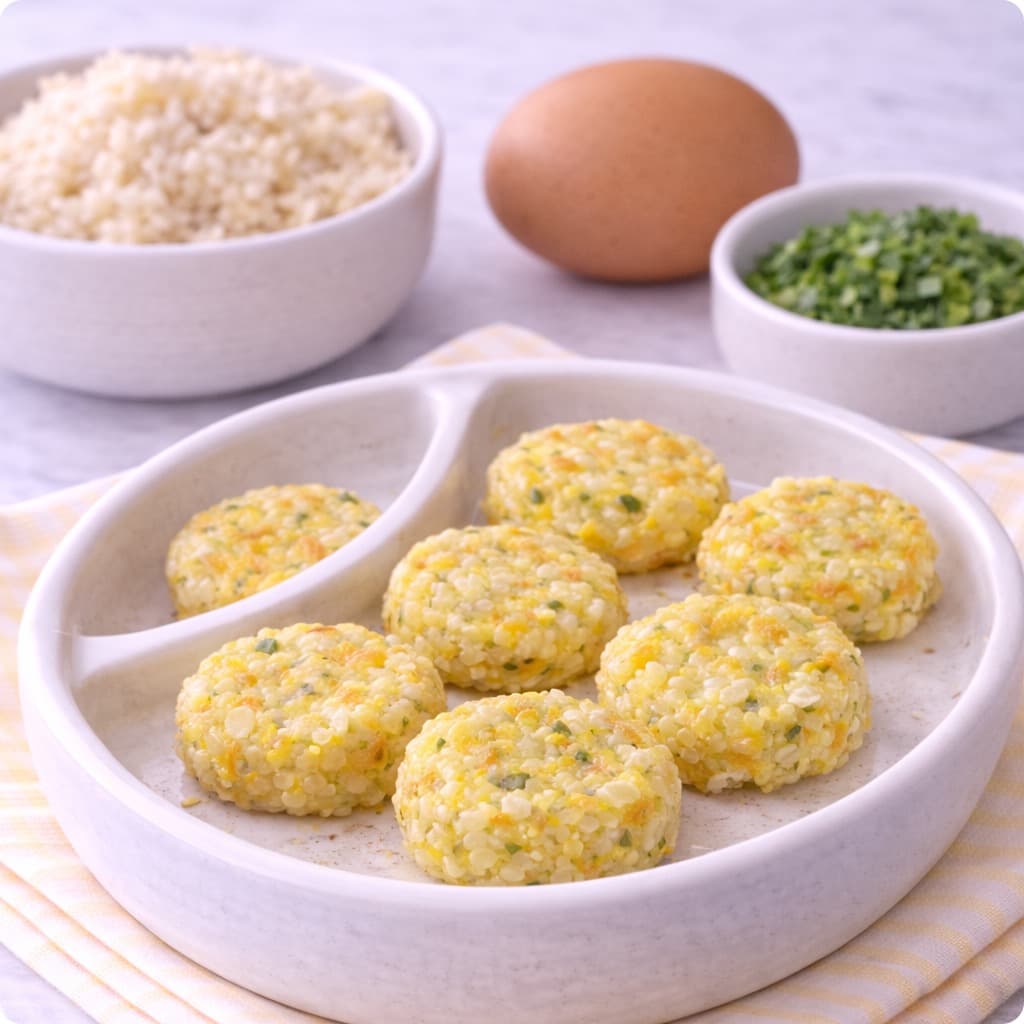
Egg Rice Pancakes

Blueberry Oat Pancake Strips
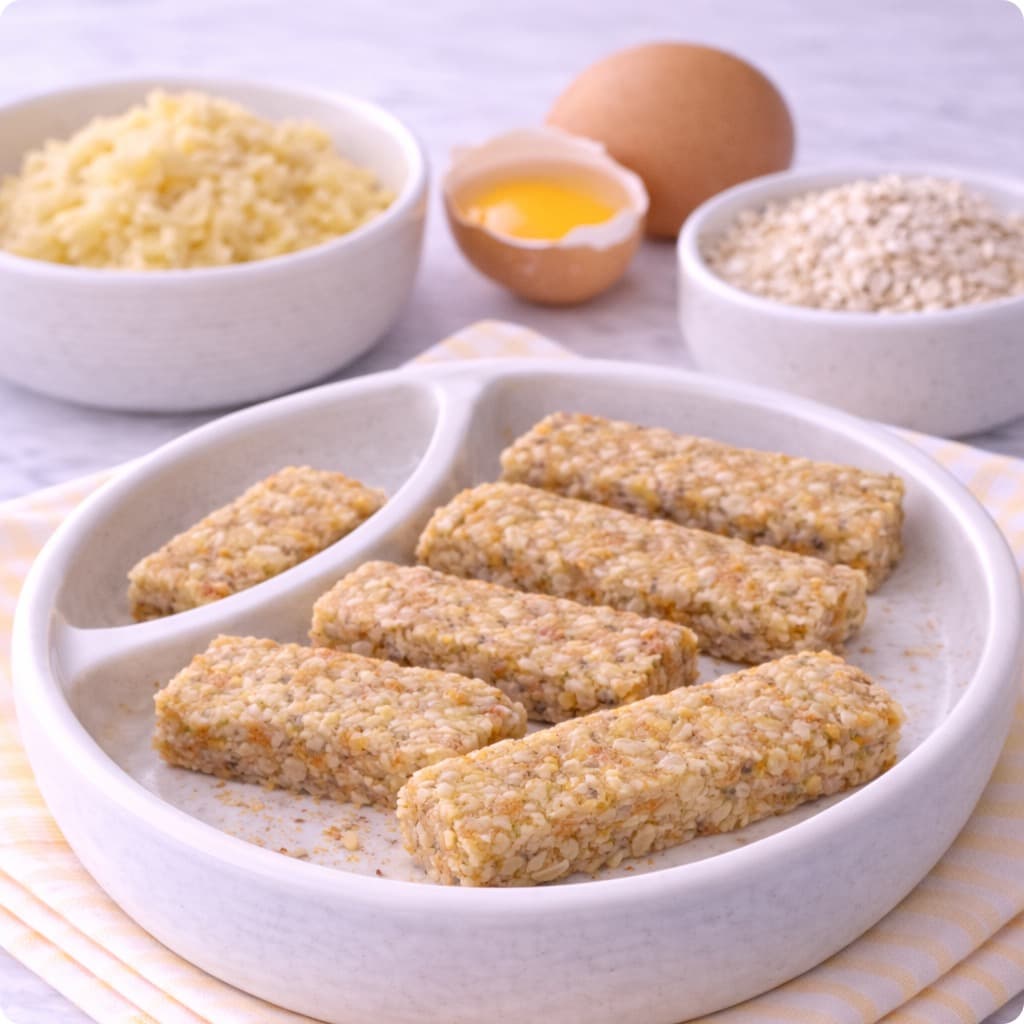
Apple Oat BLW Bars
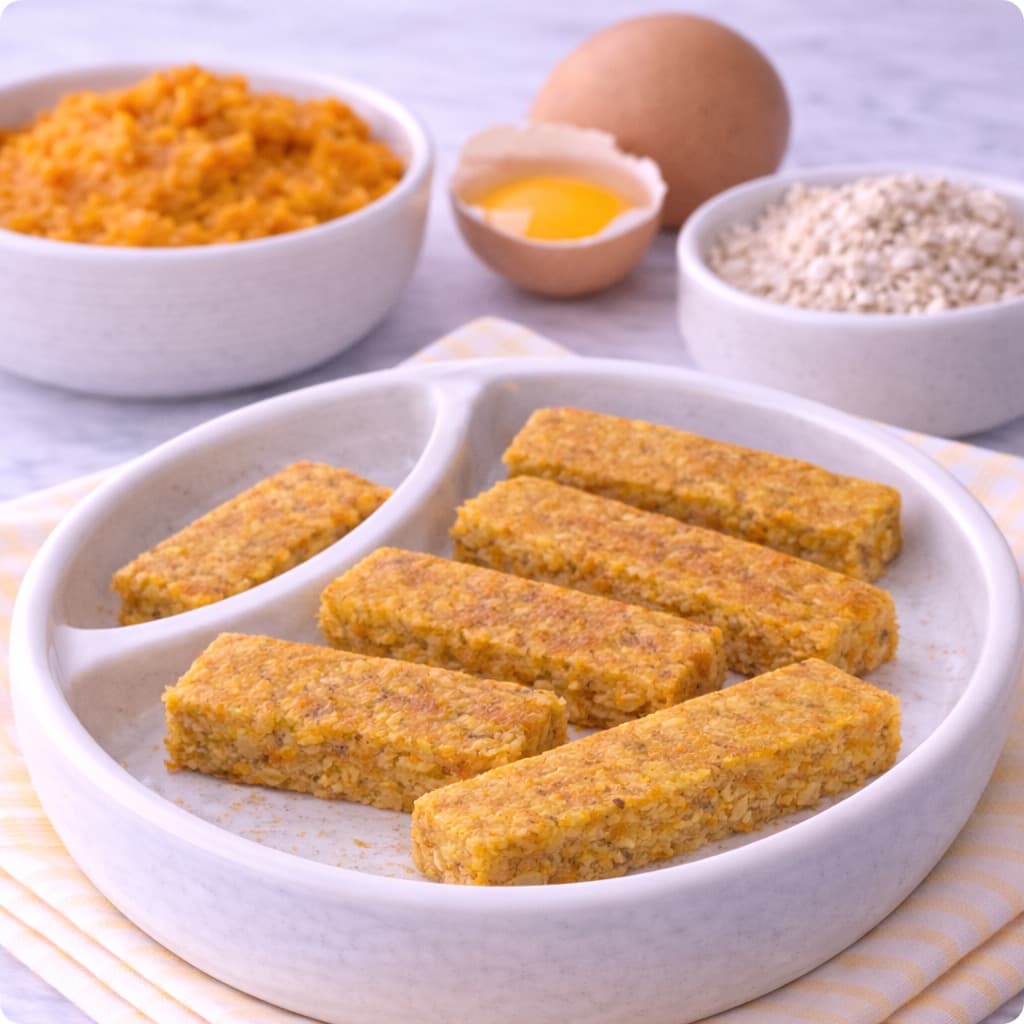
Pumpkin Pancake Fingers
See all egg recipes for babies. Explore baby breakfast recipes, baby-led weaning recipes and first foods for baby for more ideas.
Related Guides
Frequently Asked Questions
Can a six-month-old try egg?
Yes, once ready for solids. Introduce a small amount on its own rather than alongside other new common allergens and watch for a reaction.
Must I always cook eggs until the yolk is firm?
FDA guidance generally says yes. NHS guidance allows less-cooked British Lion-stamped hen eggs under its specific certification. Follow the rules that apply to your eggs and country.
Can eggs without the British Lion stamp be served runny?
Do not apply the NHS's specific British Lion exception to uncertified eggs. Follow local food-safety advice and cook thoroughly where required.
Are egg strips always safe for baby-led weaning?
No food cut removes choking risk. Tender moist omelette strips or mashed cooked egg may suit an individual child; adapt to their abilities and supervise.
Does introducing egg early guarantee allergy prevention?
No. Timely introduction and ongoing inclusion if tolerated follow NHS guidance, but no single exposure guarantees prevention. Get medical guidance after any previous reaction.
Is egg enough to meet a baby's iron needs?
Egg has some iron but does not replace a variety of iron-containing foods such as meat, beans, lentils or appropriate fortified cereals.
What if my baby reacts to egg?
Stop the suspected food and seek professional advice. Breathing difficulty, marked swelling or collapse requires emergency help.
Sources & References
This guide is informed by current guidelines from leading health organizations:
- ●NHS - Your Baby's First Solid Foods NHS
- ●NHS Best Start in Life - Introducing foods that could trigger an allergic reaction NHS
- ●NHS - Foods to Avoid Giving Babies NHS
- ●FDA - Dairy and eggs food safety FDA
- ●CDC — Choking Hazards (reviewed March 2026) CDC
