What your 12 months old can do
By their first birthday, most babies have a strong pincer grasp, picking up small pieces of food between thumb and finger and bringing them to their mouth on their own. Many are practicing with a spoon, even if more food ends up on the tray than in their mouth, and they may drink small sips from an open or straw cup. This is a wonderful time to offer soft, bite-sized finger foods and let your baby feed themselves.
Chewing skills are also maturing, even for babies with only a few teeth, since much of the mashing happens with gums. Your 12 month old can handle a wider range of textures, from soft-cooked vegetables to shredded meats and small pieces of soft fruit. Keep offering variety, including different flavors and textures, to help build a comfortable, adventurous eater.
Around this age, breast milk or formula slowly shifts from the main source of nutrition toward a complement to solid meals, and whole cow's milk can be introduced in a cup. Appetites can swing a lot from day to day as growth slows after the first year, so it is normal for your baby to eat heartily one day and pick the next. Your job is to offer balanced, healthy options; your baby decides how much to eat.
Great foods for a 12 month old
Scrambled or hard-cooked eggs
Eggs are packed with protein, healthy fats, and choline for brain development. Serve them softly scrambled in small pieces or cut a hard-cooked egg into bite-sized bits, and skip the added salt.
Soft-cooked vegetables
Steamed carrots, sweet potato, zucchini, and green beans offer fiber, vitamins, and color to the plate. Cook until fork-tender and cut into small, soft pieces or short strips your baby can pick up.
Soft fruit pieces
Ripe banana, soft pear, peach, kiwi, and steamed apple give natural sweetness plus vitamins and fiber. Cut into small, bite-sized pieces, and quarter grapes lengthwise or avoid them until pieces are safely small.
Full-fat plain yogurt
Plain whole-milk yogurt provides calcium, protein, and gut-friendly cultures. Offer it with a spoon or let your baby dip soft fruit, and choose unsweetened versions to avoid added sugar.
Shredded or ground meats
Tender chicken, turkey, and beef supply iron, zinc, and protein that growing babies need. Shred, finely chop, or serve as small soft meatballs, keeping them moist with a little broth or sauce.
Beans and lentils
Well-cooked lentils, black beans, and chickpeas are budget-friendly sources of iron, protein, and fiber. Mash lightly or serve soft whole beans, and lightly flatten chickpeas so they are easy to gum.
Whole grain toast and pasta
Whole grain toast fingers, soft cooked pasta, and oatmeal deliver energy and fiber for busy days. Cut toast into strips and pasta into small pieces, and top with a thin layer of nut or seed butter if desired.
Soft-cooked fish
Salmon and other low-mercury fish add omega-3 fats and protein to your baby's week. Cook until it flakes, then check very carefully for bones and serve in small, soft pieces.
Cheese
Pasteurized cheeses like mild cheddar or mozzarella are a tasty source of calcium and protein. Grate it or cut into small thin pieces rather than cubes, which can be a choking hazard.
Avocado
Creamy avocado is rich in healthy fats that support brain growth and is naturally easy to eat. Serve ripe slices, small chunks, or mashed onto toast for a soft, no-cook option.
Whole cow's milk
After the first birthday, whole cow's milk in a cup can be part of your baby's diet for calcium and vitamin D. Offer it with meals in an open or straw cup, and keep breast milk or formula going if you and your pediatrician prefer.
Nut and seed butters
Peanut, almond, and other nut or seed butters offer protein and healthy fats and help keep allergen exposure regular. Always spread a thin layer on toast or stir into oatmeal, since thick globs can be a choking risk.
Sample meals
- ★Breakfast: soft scrambled eggs, whole grain toast strips, and small pieces of ripe banana
- ★Lunch: shredded chicken, soft-cooked carrots, and a few soft avocado slices
- ★Snack: full-fat plain yogurt with mashed berries and a small oatmeal round
- ★Dinner: soft pasta with tomato sauce, flaked salmon, and steamed green beans
- ★Snack: grated cheese, soft pear pieces, and a whole grain cracker
Safety tips
- ✓Keep foods choking-safe: quarter grapes and cherry tomatoes lengthwise, cut round or firm foods small, and thinly spread nut butters rather than serving them in thick spoonfuls.
- ✓Continue to avoid added salt, added sugar, and honey, and hold off on choking hazards like whole nuts, popcorn, hard raw vegetables, and chunks of hard cheese.
- ✓Always seat your baby upright in a high chair for meals and snacks, and stay within arm's reach so you can respond quickly if they cough or gag.
- ✓Serve whole cow's milk and water in a cup rather than a bottle, and limit juice, which is not needed at this age.
- ✓Introduce common allergens like peanut, egg, dairy, and fish one at a time in age-appropriate textures, and talk with your pediatrician if there is a family history of allergies.
When to talk to your pediatrician
Reach out to your pediatrician if your baby consistently refuses most solids, gags or chokes frequently, is not gaining weight as expected, or shows signs of a food allergy such as hives, swelling, vomiting, or trouble breathing. It is also worth checking in if your little one has ongoing constipation, seems uninterested in self-feeding, or if you simply have questions about milk, portions, or picky eating. Your care team can offer personalized guidance for your child.
Easy recipes for your 12 month old
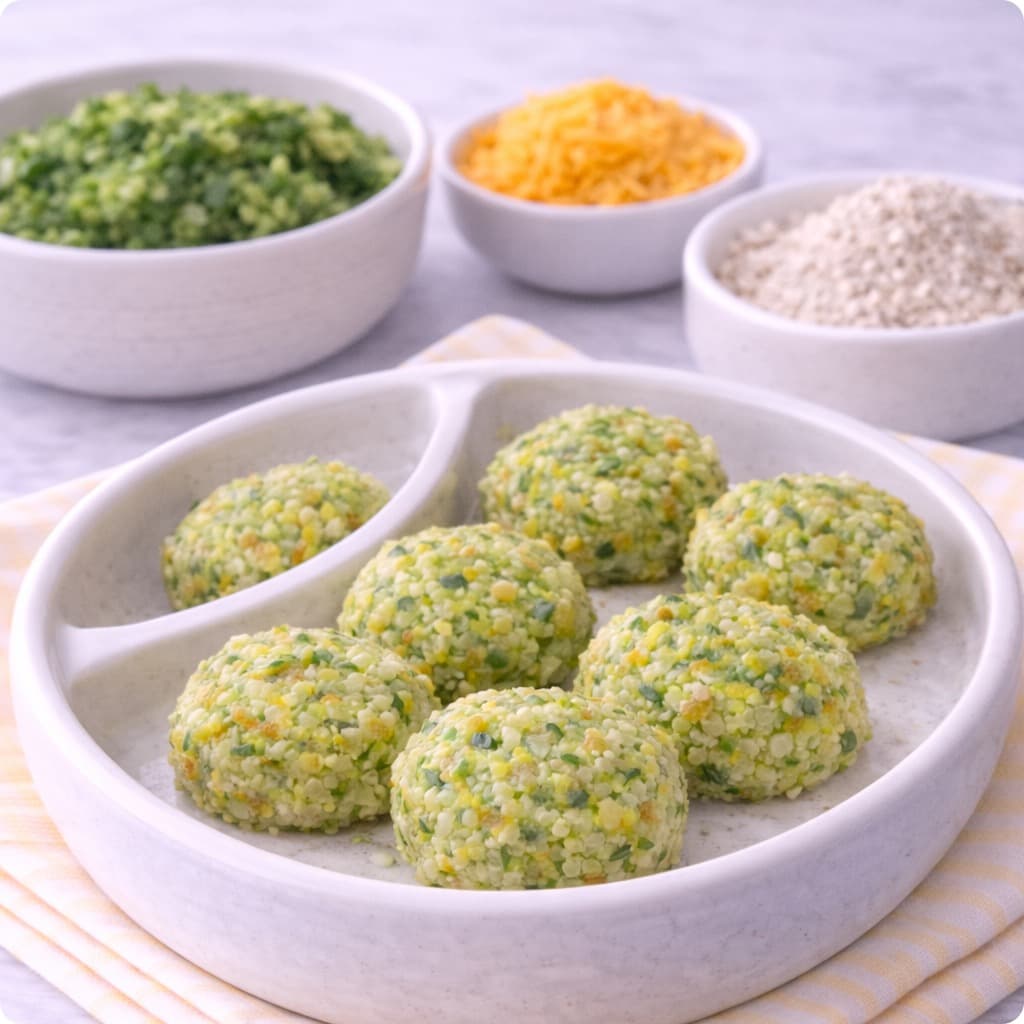
Broccoli Cheese Patties
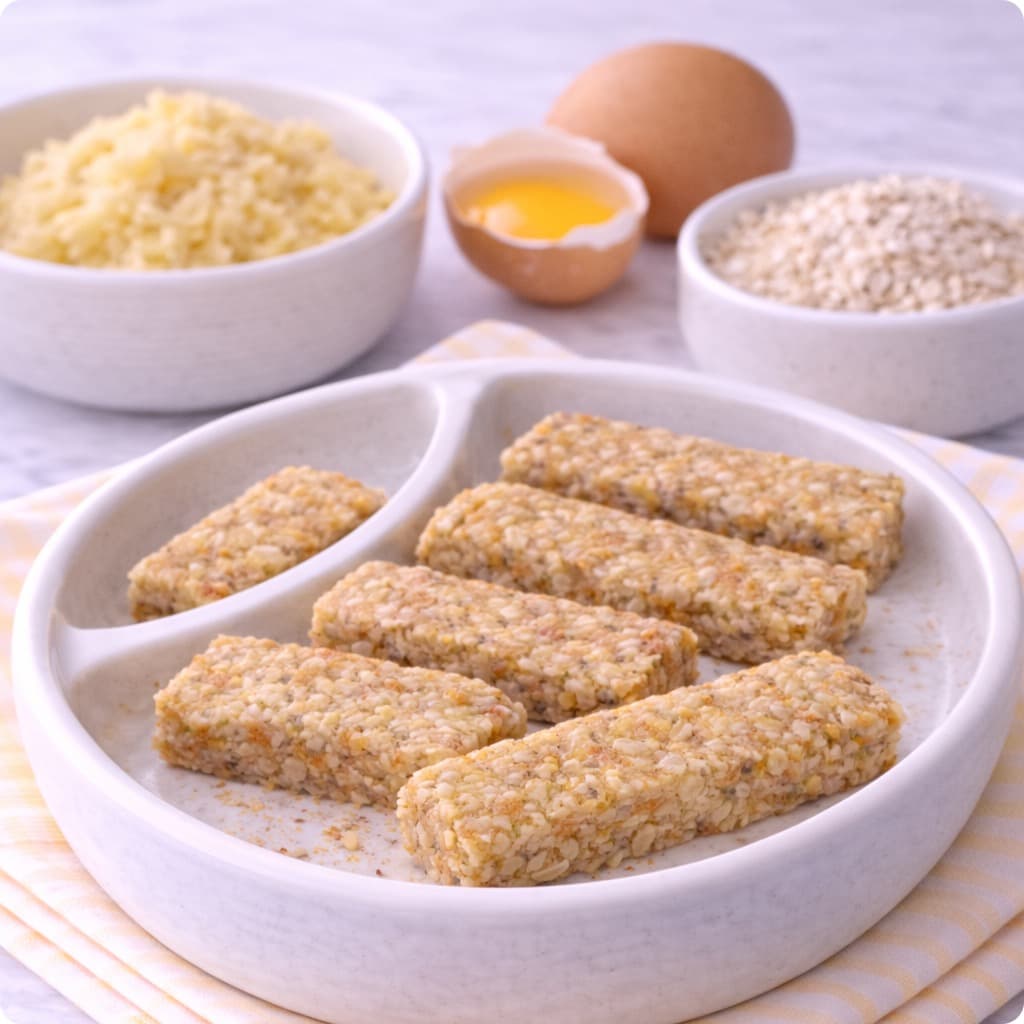
Apple Oat BLW Bars

Lentil Veggie Nuggets
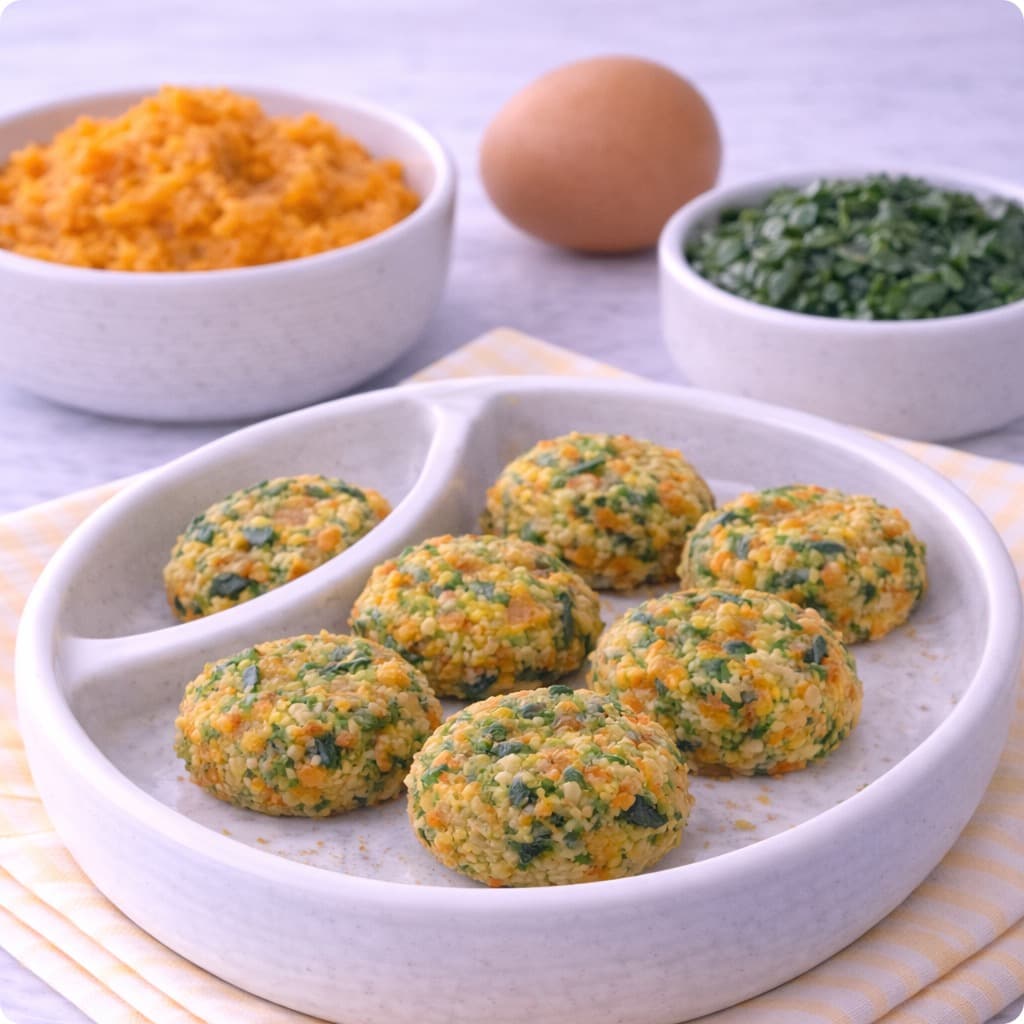
Sweet Potato Spinach Fritters
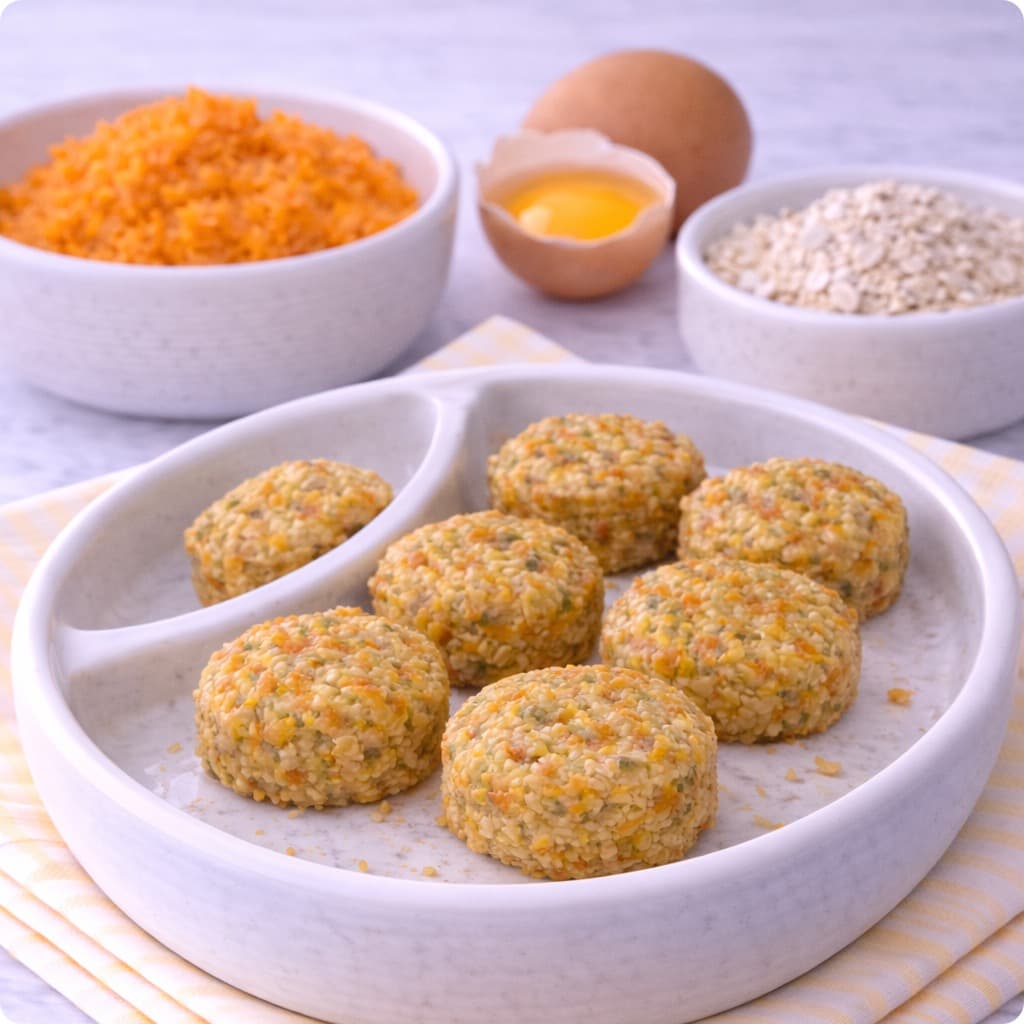
Carrot Oat BLW Muffins
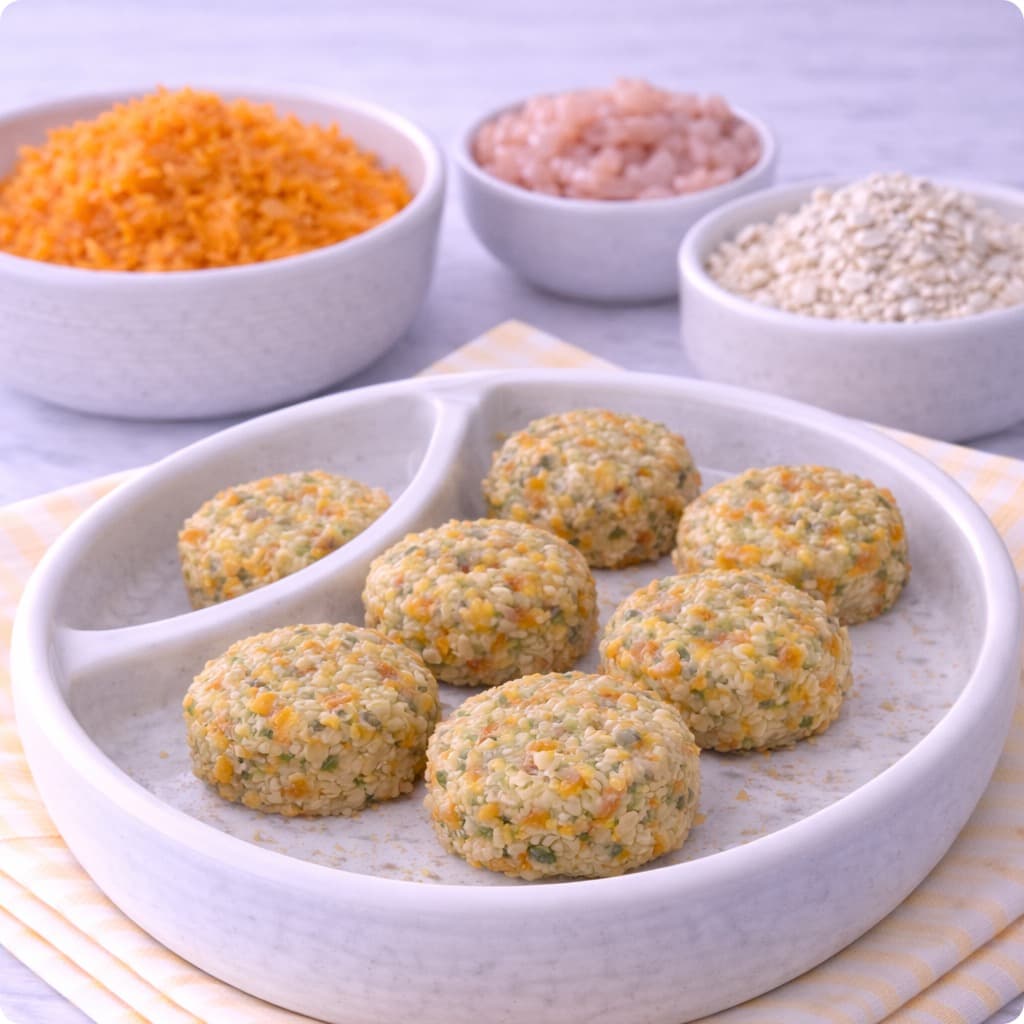
Chicken Veggie Nuggets
Frequently asked questions
How much should a 12 month old eat?
Most 12 month olds eat three meals plus one or two snacks a day, along with breast milk, formula, or whole milk. Portions are small, often just a few tablespoons of each food, so offer a variety and let your baby decide how much to eat. Appetites vary from day to day, which is completely normal as growth slows after the first year.
Can my 12 month old drink whole cow's milk?
Yes, after the first birthday most babies can begin drinking whole cow's milk in a cup as part of a balanced diet. It provides calcium, protein, and vitamin D. You can continue breast milk if you wish, and your pediatrician can help you decide on amounts and timing for your child.
What foods should I still avoid at 12 months?
Continue to avoid honey, added salt, and added sugar, along with common choking hazards such as whole grapes, whole nuts, popcorn, hard raw vegetables, and large chunks of firm food. Always modify textures to be soft and bite-sized, and supervise every meal and snack.
How many teeth does a 12 month old need to chew food?
Babies can chew and mash many soft foods with their gums even before their molars come in, so you do not need to wait for a full set of teeth. Offer soft, easy-to-gum textures like well-cooked vegetables, shredded meats, and ripe fruit, and adjust as your baby's chewing skills grow.
My 12 month old is suddenly picky. Is that normal?
Yes, it is very common for appetite and interest in food to swing around the first birthday as growth slows and independence grows. Keep offering a variety of healthy foods without pressure, and try not to become a short-order cook. Repeated, relaxed exposure to new foods helps over time, so stay patient and consistent.
How do I keep finger foods safe at 12 months?
Cut foods into small, soft, bite-sized pieces, quarter round items like grapes and cherry tomatoes lengthwise, and spread nut butters thinly rather than in globs. Seat your baby upright, stay close during meals, and let them feed themselves at their own pace while you supervise.
Should my 12 month old still have breast milk or formula?
Breast milk can continue as long as you and your baby wish, and it remains a valuable part of the diet. Around 12 months, solid foods take on a bigger nutritional role, and whole cow's milk can be introduced in a cup. Talk with your pediatrician about the best plan for your family.
Get your baby's personalized feeding plan
A daily feeding schedule, 350+ age-matched recipes, allergen tracking and cutting guides - all tailored to your baby's age in the Nibli app.
verifiedSources & References
This guide is informed by current guidelines from leading health organizations: