Potato for Baby
Last updated October 2026
Potato can be an easy-to-prepare starchy food after your baby begins solids, usually around six months. The goal is a tender texture: cooked mash or a piece that breaks down under a fork, not a firm wedge chosen solely because it is finger-length.
Quick answer
The NHS includes soft cooked potato among foods that can be offered from around six months when the baby can sit with support, hold their head steady and swallow food.
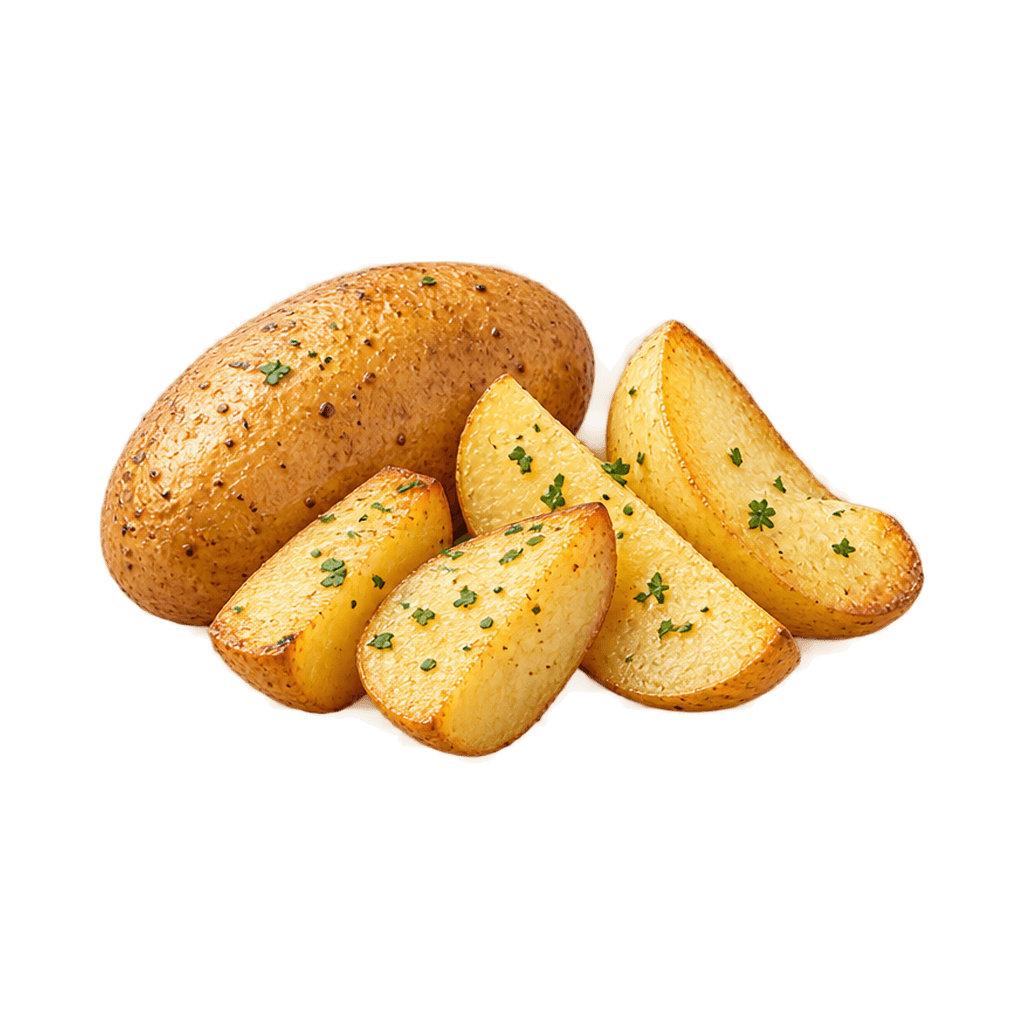
Prepare potato safely and make the texture work
Choose a fresh ungreened potato, wash and peel any tough skin. Remove eyes; discard the entire tuber if it is green, substantially sprouted or tastes bitter. Boil or steam until the thickest part crushes easily and no firm core remains.
For mashed potato, blend or mash with warm cooking water or the baby's usual milk until soft and moist, not gluey or sticky. Whole cow's milk may be used in cooking from around six months under NHS guidance, but is not a main drink under one; introduce dairy appropriately if new.
For self-feeding, offer a well-cooked very soft piece that the child can grip and break down. Roast only until soft without crisp edges. Do not treat a particular wedge shape as a guarantee; watch the baby's actual skills and supervise closely.
Combine potato mash with finely minced fully cooked meat or mashed lentils and soft vegetables to make a more nutritious meal. Avoid salt, stock cubes, crisps and heavily salted potato products.
The right shape and size depend on your baby's eating skills, not on age alone. Step-by-step preparation: How to prepare and cut potato for baby
Also check how to cut food for baby-led weaning for general BLW cutting tips.
When can babies start eating potato?
Cook potato all the way through: the thickest centre should mash under a fork or gentle pressure. Hard roast crusts, raw potato and firm rounds are not appropriate beginning textures. No single wedge width or age gives a choking-proof serving.
Green or visibly sprouted potatoes are a separate food-safety issue, not a texture problem. Buy and store potatoes out of strong light, and discard any green, heavily sprouted or bitter-tasting potato rather than preparing it for a baby.
Choose potatoes without green skin, visible sprouts or a bitter taste. Potato plants naturally contain glycoalkaloids; greening and sprouting can signal higher concentrations. For an infant, discard green or substantially sprouted potatoes rather than simply trimming the visible patch and hoping cooking will remove the compounds.
Potato contributes carbohydrate and some potassium. It is not an iron-rich meal alone; serve with suitable meat, lentils or beans as your baby learns to eat a wider variety.
See our first foods for baby guide for more ideas.
Potato glycoalkaloids, texture and seasoning
Discard green or substantially sprouted potatoes rather than relying on cutting away a green spot for an infant.
Cooking does not reliably eliminate potato glycoalkaloids; store potatoes cool, dry and away from light.
Cook until fork-soft throughout; avoid raw potato, hard fries, crisp roasted skins or tough chunks.
Keep mash moist; adjust a gluey dense mixture with an age-appropriate liquid rather than serving a sticky lump.
Do not add salt or salted stock; use potato as a base for iron-containing complementary foods.
Supervise the baby sitting upright; a mashed or soft shape reduces but does not eliminate choking risk.
Potato recipes for babies
View all recipes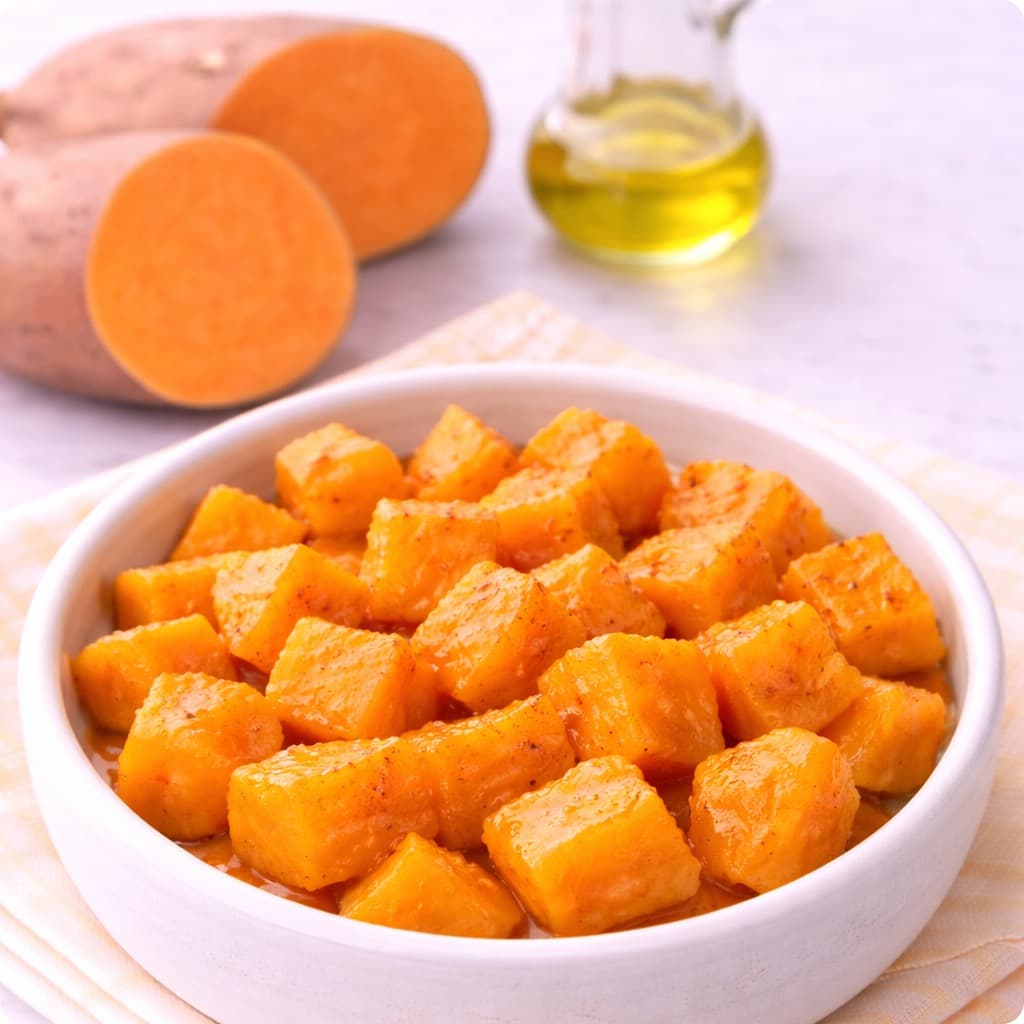
Soft Sweet Potato Cubes
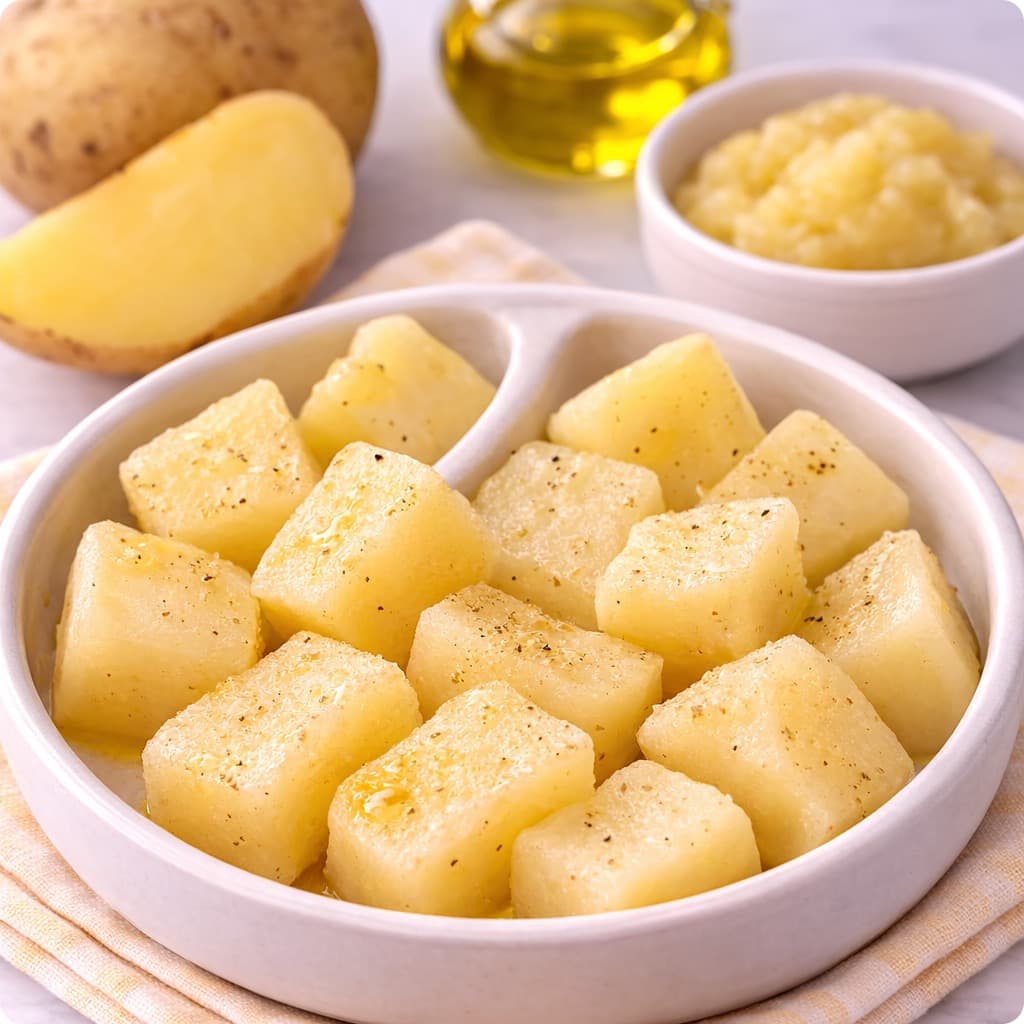
Soft Potato Cubes
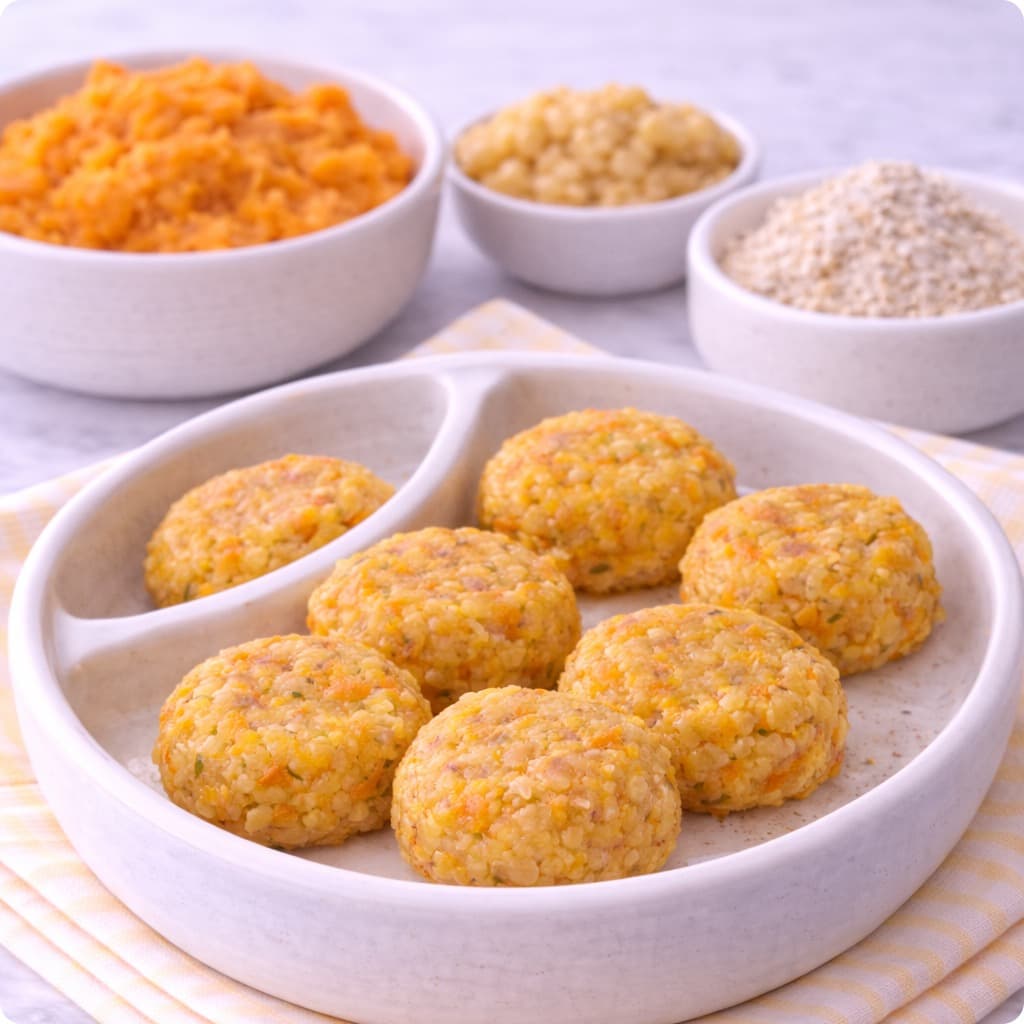
Sweet Potato Chickpea Patties
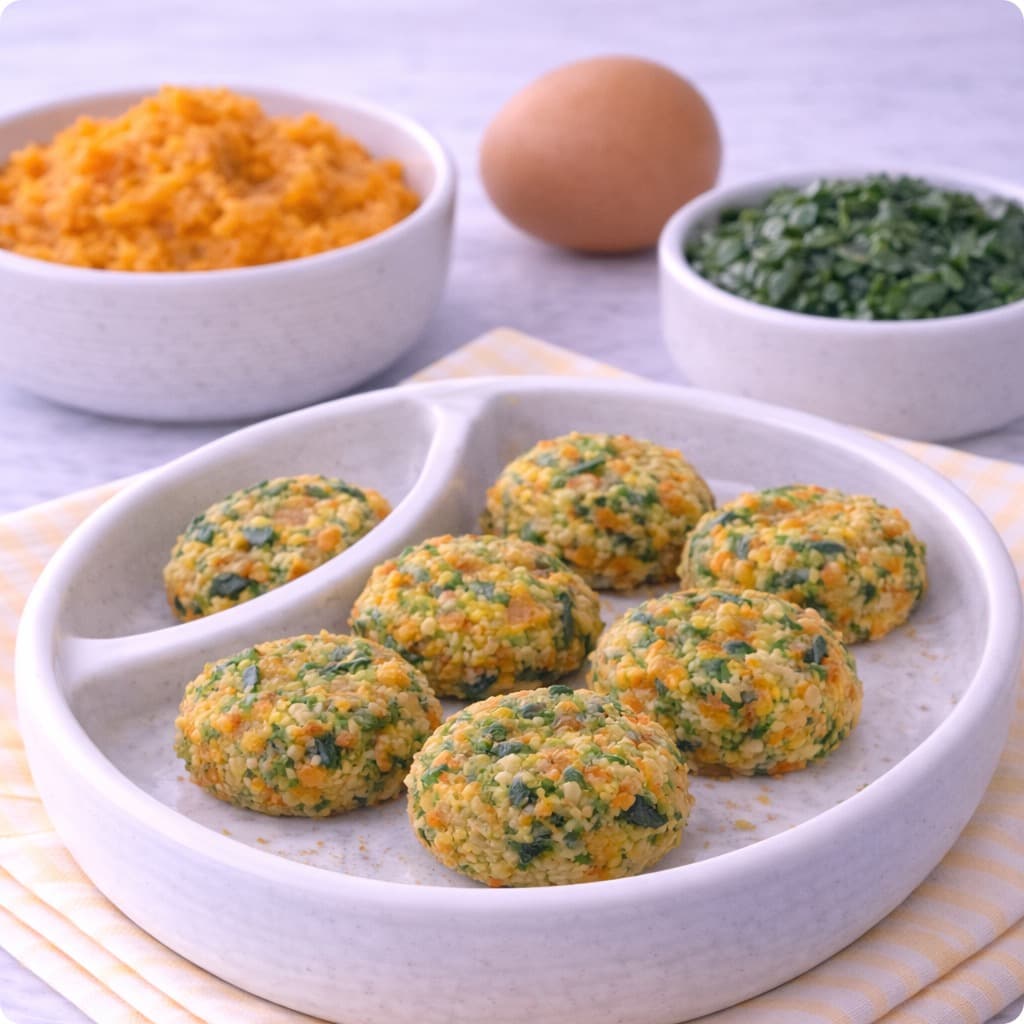
Sweet Potato Spinach Fritters
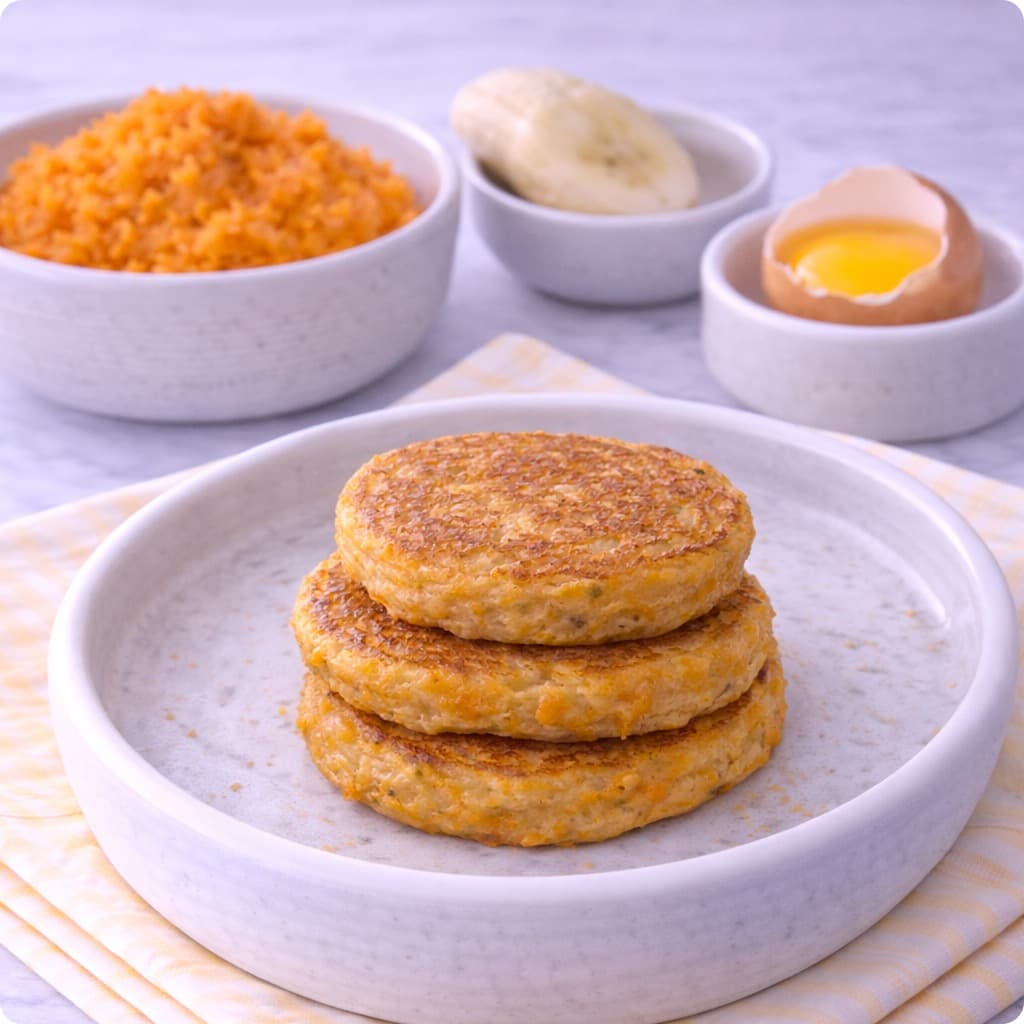
Sweet Potato Banana Pancakes
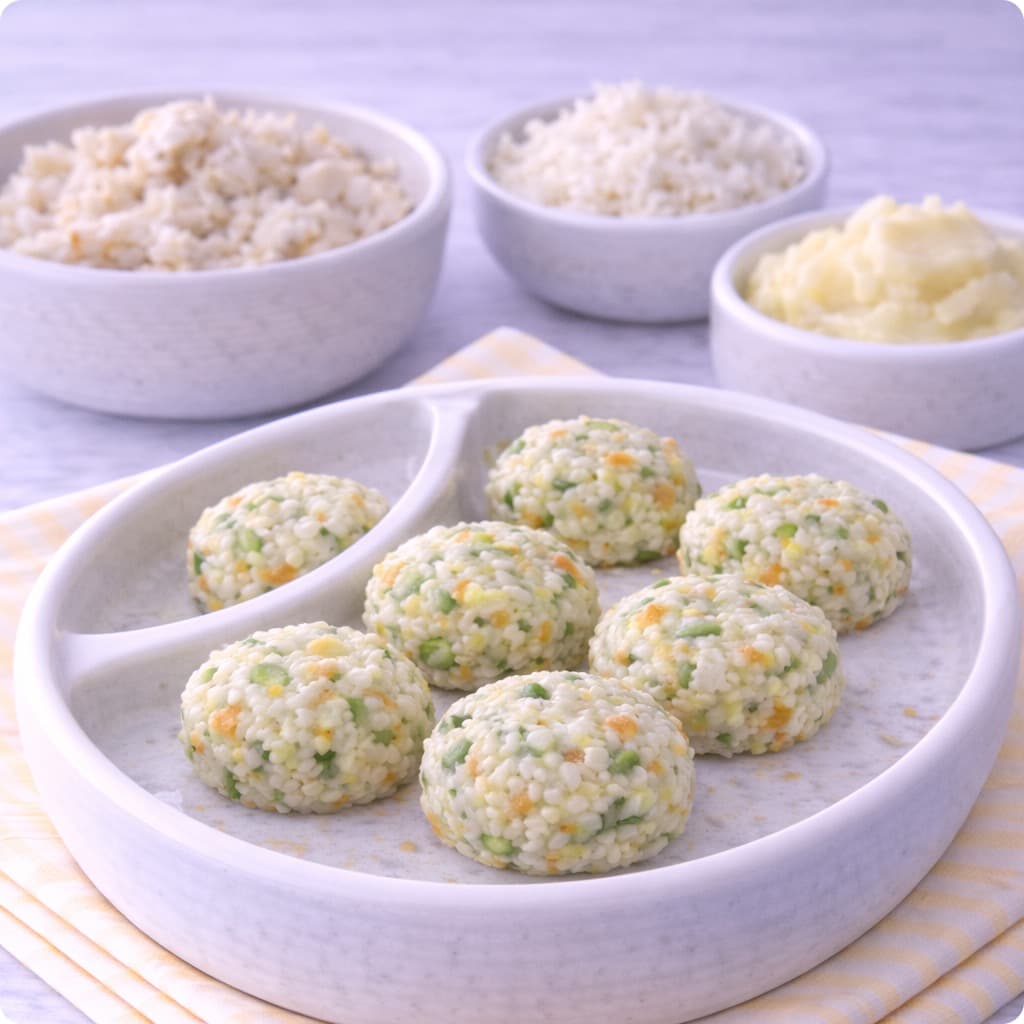
Soft Fish Rice Cakes
See all potato recipes for babies. Explore baby breakfast recipes, baby-led weaning recipes and first foods for baby for more ideas.
Related Guides
Frequently Asked Questions
Can a six-month-old eat potato?
Yes, when ready for solids. Offer thoroughly cooked potato as moist mash or a very soft manageable piece, without added salt.
Are potatoes with green patches okay after trimming?
Avoid feeding green or heavily sprouted potatoes to a baby. Green colour may signal elevated glycoalkaloids, and cooking is not a reliable fix.
Should I peel potato for my baby?
Peel thick or tough skin, and inspect the tuber carefully. The key is a fully soft serving without tough peel or firm pieces.
What is better, mash or potato wedges?
Either may work when very soft. Mash can be easier for a beginning eater; a wedge must break down easily and fit the child's demonstrated skills.
Can mashed potato contain milk?
The NHS allows cow's milk mixed into cooking from around six months, though not as a main drink before one year. Check whether milk is a new allergen and follow your child's care plan.
Are chips or crisps suitable first foods?
Avoid hard crisps, salty chips and crispy potato crusts for a new eater. Offer unseasoned boiled, steamed or soft roasted potato instead.
Does potato provide enough iron?
No. Potato supplies mainly carbohydrate, so include other foods that provide iron and protein over the day.
Sources & References
This guide is informed by current guidelines from leading health organizations:
- ●NHS - Feeding your baby from around 6 months NHS
- ●NHS - Preparing Food Safely for Babies NHS
- ●EFSA - Glycoalkaloids in potatoes: public health risks assessed European Food Safety Authority
- ●CDC — Choking Hazards (reviewed March 2026) CDC
- ●NHS - Foods to Avoid Giving Babies NHS